If you're planning to work in a conflict zone, disaster area, or any high-risk environment, you've probably come across the term HEFAT. But what exactly is it, and do you really need it? This comprehensive guide breaks down everything you need to know about Hostile Environment First Aid Training, from what it covers to who needs it and what to expect from the course.
What Does HEFAT Stand For?
HEFAT stands for Hostile Environment First Aid Training (sometimes called Hostile Environment Awareness Training or HEAT). It's a specialist training course designed to prepare individuals for deployment to dangerous, unstable, or austere environments where normal emergency services may not be available.
Who Needs HEFAT Training?
HEFAT training was originally developed for military personnel but has become essential for a wide range of civilians who work in or travel to high-risk areas:
Journalists & Media Professionals
War correspondents, photojournalists, camera crews, and documentary filmmakers regularly deploy to conflict zones and areas of civil unrest. Most major news organisations now require HEFAT certification before assigning staff to high-risk locations. Freelance journalists working in dangerous areas should consider it essential, both for their own safety and to demonstrate professionalism to commissioning editors.
Humanitarian & Aid Workers
NGO staff, charity workers, and humanitarian responders often operate in areas affected by conflict, natural disasters, or political instability. Organisations like the UN, Red Cross, Médecins Sans Frontières, and countless smaller NGOs typically mandate HEFAT for staff deploying to high-risk postings.
Corporate Travellers & Executives
Business professionals travelling to volatile regions (whether for oil and gas, mining, construction, or other industries) increasingly undertake HEFAT. Many multinational companies now require it for employees visiting certain countries as part of their duty of care obligations.
Security Professionals
Close protection officers, security consultants, and risk managers working internationally often hold HEFAT certification. While they may have extensive tactical training, HEFAT provides specific skills for operating in hostile environments alongside non-combatant principals or teams.
- Journalists and war correspondents
- Documentary filmmakers and camera crews
- NGO and humanitarian workers
- Aid agency staff and volunteers
- Diplomats and embassy personnel
- Corporate travellers to high-risk regions
- Oil, gas, and mining industry workers
- Medical professionals deploying to crisis zones
- Religious and missionary workers
- Researchers and academics in unstable regions
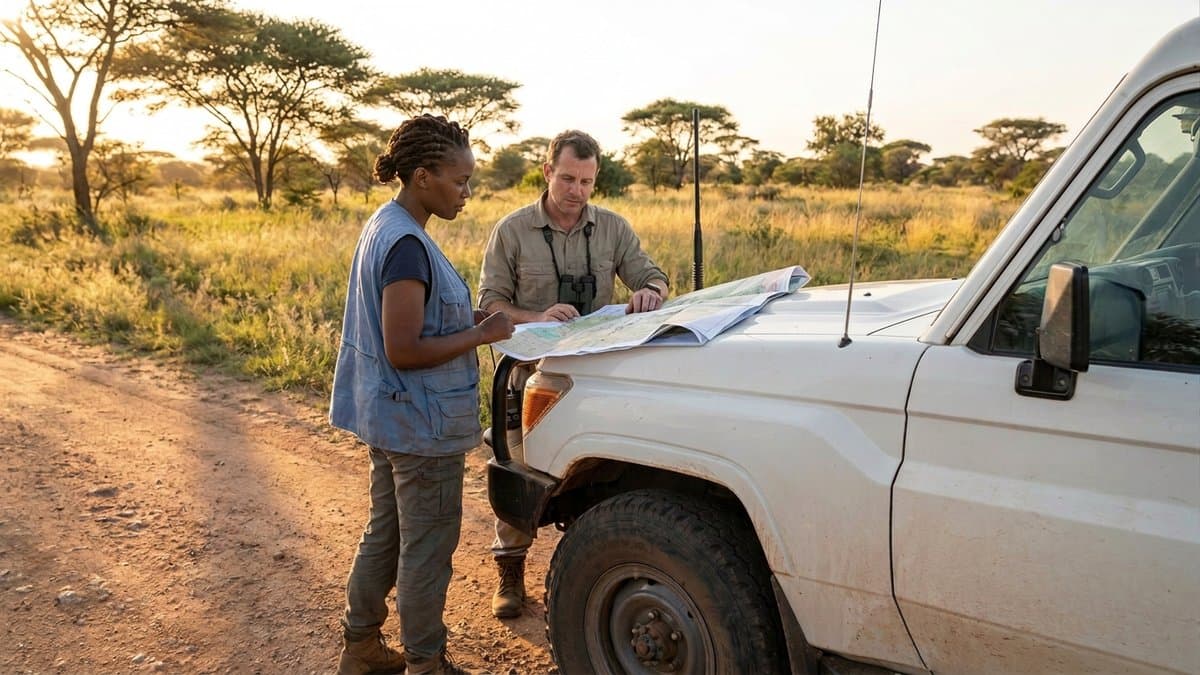
What Does HEFAT Training Cover?
A comprehensive HEFAT course combines hostile environment awareness with advanced medical training. While specific curricula vary between providers, most courses cover these core areas:
Hostile Environment Awareness
- Threat and risk assessment in volatile environments
- Situational awareness and early warning recognition
- Understanding conflict dynamics and local contexts
- Personal security planning and protocols
- Vehicle and route security
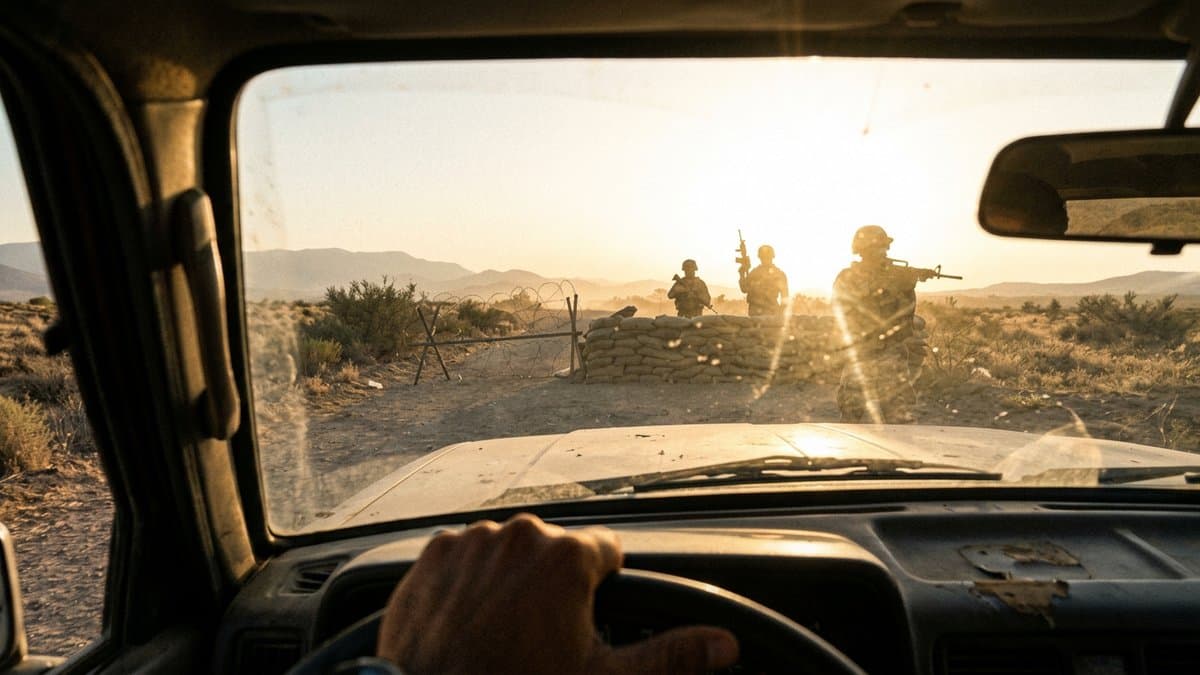
- Checkpoint procedures and how to handle them
- Kidnap awareness and survival strategies
- IED and landmine recognition
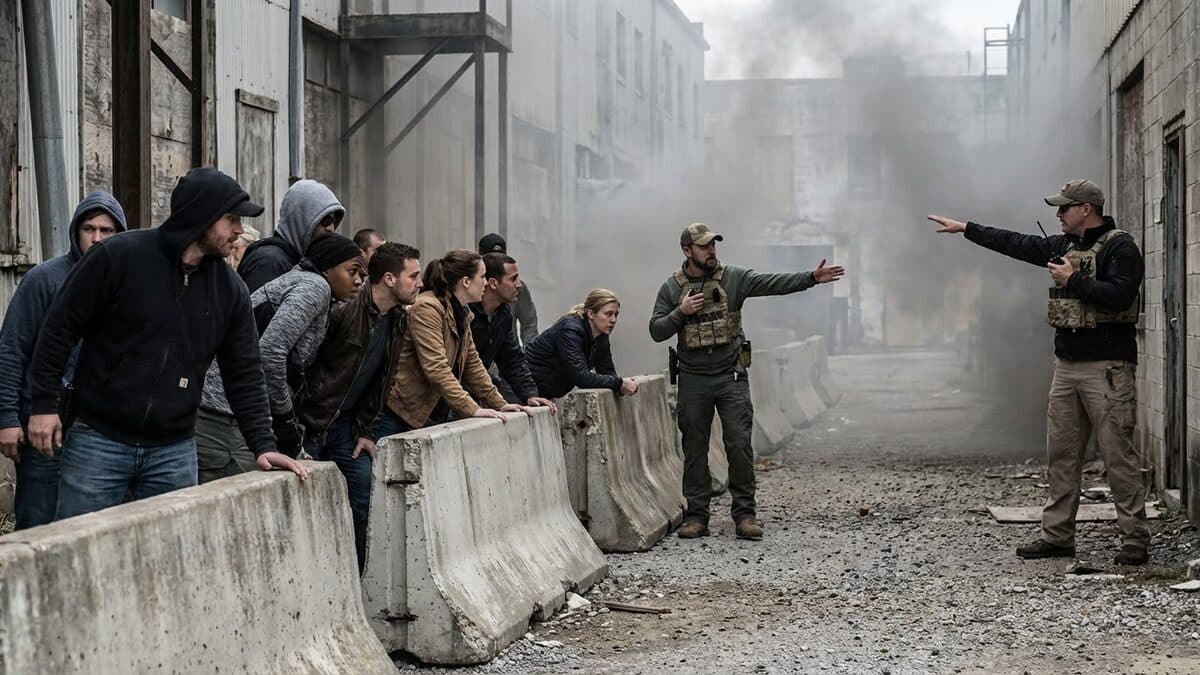
- Civil unrest and crowd dynamics
- Communications security and emergency protocols
Trauma Care & First Aid
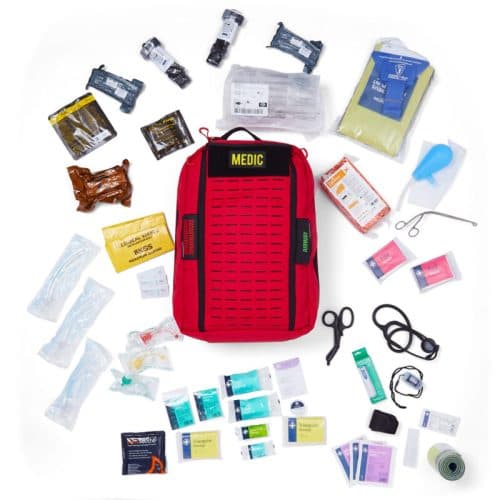
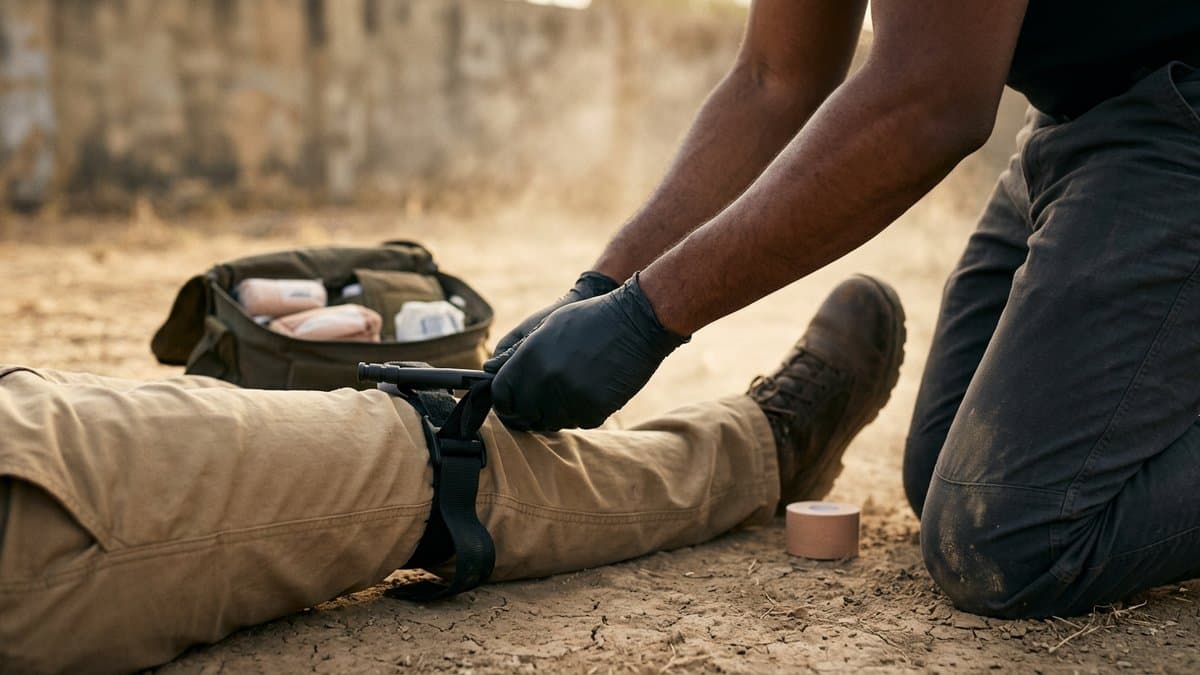
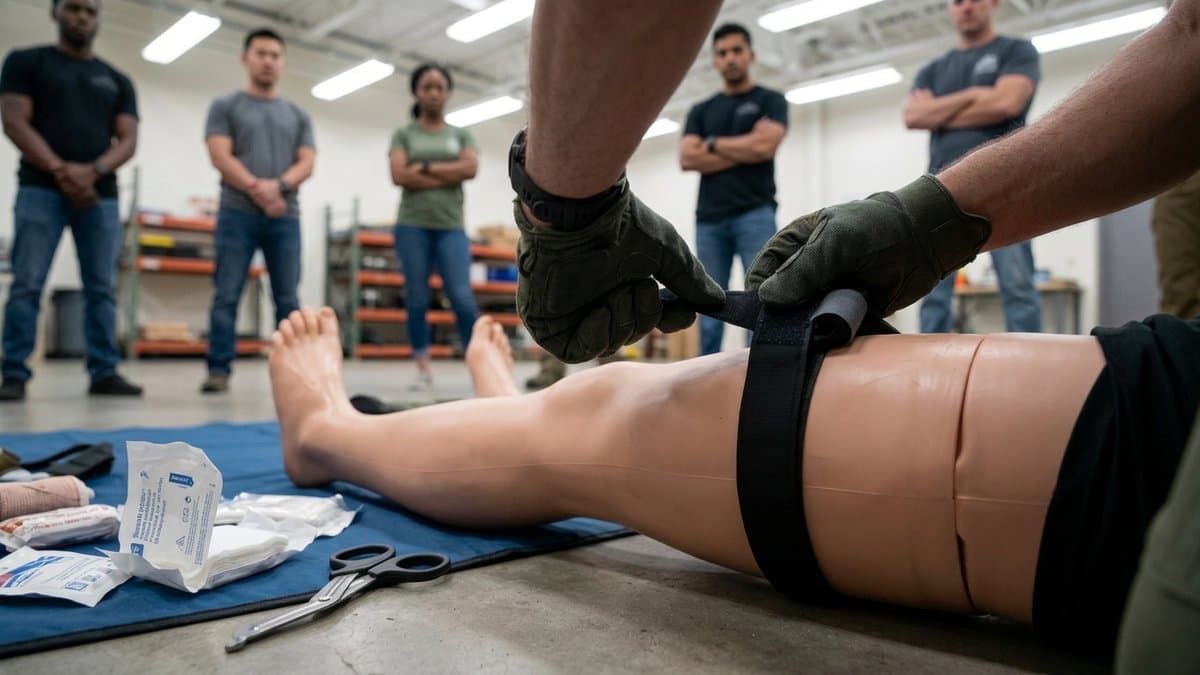
- Catastrophic bleeding control (tourniquets, wound packing)
- Airway management in austere conditions
- Chest injuries and tension pneumothorax
- Shock recognition and management
- Fractures and immobilisation
- Burns treatment
- Medical emergencies (cardiac, respiratory, diabetic)
- Triage principles when resources are limited
- Casualty evacuation techniques
- Improvised medical equipment
Practical Scenario Training
The best HEFAT courses don't just teach theory. They put you through realistic scenarios that test your skills under pressure. These might include:
- Simulated ambush and vehicle attack scenarios
- Checkpoint negotiation exercises
- Mass casualty incident management
- Kidnap and hostage situations
- Building evacuation under threat
- Night navigation exercises
- Communication failures and improvisation
HEFAT vs HEAT: What's the Difference?
You'll often see both terms used, sometimes interchangeably. Here's the distinction:
- HEAT (Hostile Environment Awareness Training) - Focuses primarily on security awareness, threat recognition, and risk mitigation. Less emphasis on medical skills.
- HEFAT (Hostile Environment First Aid Training) - Combines hostile environment awareness WITH comprehensive trauma care and first aid training.
- Some providers offer both separately, while others combine them into a single comprehensive course.
Course Duration and Format
HEFAT courses typically run from 3 to 5 days, with 5-day courses being the most comprehensive. The format usually includes:
- Classroom-based theory sessions
- Practical medical skills workshops
- Outdoor scenario exercises (often in realistic environments)
- Night exercises
- Written and practical assessments
- Group exercises and teamwork scenarios
Most courses are residential or require full-day attendance. The intensity is deliberate: operating in hostile environments is mentally and physically demanding, and the training needs to prepare you for that reality.
What to Expect From a HEFAT Course
HEFAT training is designed to push you outside your comfort zone in a controlled environment. Here's what you should expect:
Physical Demands
While you don't need to be an athlete, HEFAT courses involve physical activity. You'll be moving casualties, practising evacuation drills, and participating in scenarios that may involve running, crawling, or working in challenging conditions. A reasonable level of fitness is recommended.
Stress Inoculation
Good instructors will introduce stress into scenarios: loud noises, time pressure, multiple casualties, conflicting information. This isn't to make the course difficult for its own sake; it's to prepare you for the reality of making decisions under pressure when lives are at stake.
Hands-On Learning
Expect to spend significant time practising skills rather than just listening to lectures. You'll apply tourniquets dozens of times, pack wounds repeatedly, and run through checkpoint scenarios until the responses become instinctive.
Under stress, you don't rise to the occasion, you fall to your level of training. HEFAT builds the muscle memory and mental frameworks that kick in when you need them most.
HEFAT Instructor
Certification and Validity
Upon successful completion, you'll receive a HEFAT certificate. Most certifications are valid for 2-3 years, after which you'll need to complete a refresher course to maintain your qualification.
Many employers and organisations will only accept certification from recognised providers. When choosing a course, check that the certification will be accepted by the organisations you're likely to work with.
Choosing a HEFAT Provider
Not all HEFAT courses are equal. When evaluating providers, consider:
- Instructor backgrounds - Look for genuine operational experience in hostile environments, not just training qualifications
- Course content - Does it cover both security awareness AND comprehensive medical training?
- Practical vs theory balance - Quality courses are heavily practical with realistic scenarios
- Certification recognition - Will major employers and organisations accept it?
- Facilities - Are scenarios conducted in realistic environments?
- Class sizes - Smaller groups allow more hands-on practice
- Refresher options - Is ongoing training available?
What HEFAT Won't Prepare You For
It's important to understand the limitations of any training course. HEFAT provides essential foundation skills, but it doesn't make you invincible:
- It won't replace experience - There's no substitute for gradually building exposure to challenging environments
- It won't cover every scenario - Real situations rarely match training scenarios exactly
- It won't eliminate risk - Even with training, hostile environments remain dangerous
- It's not weapons training - HEFAT is for non-combatants; it doesn't include firearms or tactical combat training
- Skills fade without practice - Regular refresher training is essential
After the Course: Maintaining Your Skills
Completing HEFAT is the beginning, not the end. To maintain readiness:
- Complete refresher training before your certification expires
- Practise medical skills regularly - tourniquets, wound packing, CPR
- Stay current with threat intelligence for your deployment areas
- Build relationships with other trained personnel
- Consider additional training in specific areas (advanced trauma, communications, etc.)
- Maintain your first aid kit and know your equipment
Is HEFAT Worth It?
If you're genuinely deploying to hostile environments, HEFAT isn't optional, it's essential. The skills you learn could save your life or the life of a colleague. Beyond that, many employers now require it, and demonstrating that you take your safety seriously is a mark of professionalism.
Even if you're not certain you'll deploy to high-risk areas, HEFAT provides valuable skills that transfer to many situations, from road accidents to natural disasters. The confidence that comes from knowing you can handle emergencies is invaluable.
Next Steps
If you're considering HEFAT training, here's what to do:
- Assess your needs - Are you actually deploying to hostile environments, or would standard first aid suffice?
- Check employer requirements - Find out what certification your organisation accepts
- Research providers - Look for experienced instructors and comprehensive curricula
- Consider timing - Book training close enough to deployment that skills are fresh
- Budget appropriately - Quality HEFAT training is an investment in your safety
- Plan for refreshers - Factor in ongoing training costs
Hostile Environment First Aid Training isn't about becoming a soldier or security professional. It's about equipping yourself with the awareness and skills to operate safely in challenging environments and respond effectively when things go wrong. For anyone working in journalism, humanitarian work, or any field that takes you into harm's way, it's one of the most valuable investments you can make.