The SIA's consultation on its draft section 12 guidance for Martyn's Law closes tonight at 23:59. Launched on 15 April, it is the industry's main opportunity to shape how the regulator will actually operate under the Terrorism (Protection of Premises) Act 2025 — covering its public-protection objectives, how it will guide premises towards compliance, its information-sharing powers, inspection and assessment processes, and how non-compliance and financial penalties will be handled.
The wider timeline: the Act received Royal Assent on 3 April 2025, with commencement expected in spring 2027 after an implementation period of at least 24 months. The Home Office published its section 27 statutory guidance in April, setting out the scope of the legislation, the requirements on qualifying premises and events, and the responsible person's obligations across the standard and enhanced tiers. Per ProtectUK, no legal obligations bite until commencement — but the guidance exists precisely so organisations can prepare now.
The SIA has been signalling a "supportive, proportionate and risk-based" regulatory posture. Laura Gibb, the SIA's executive director for Martyn's Law, framed the consultation as a direct engagement opportunity for every premises and event in scope.
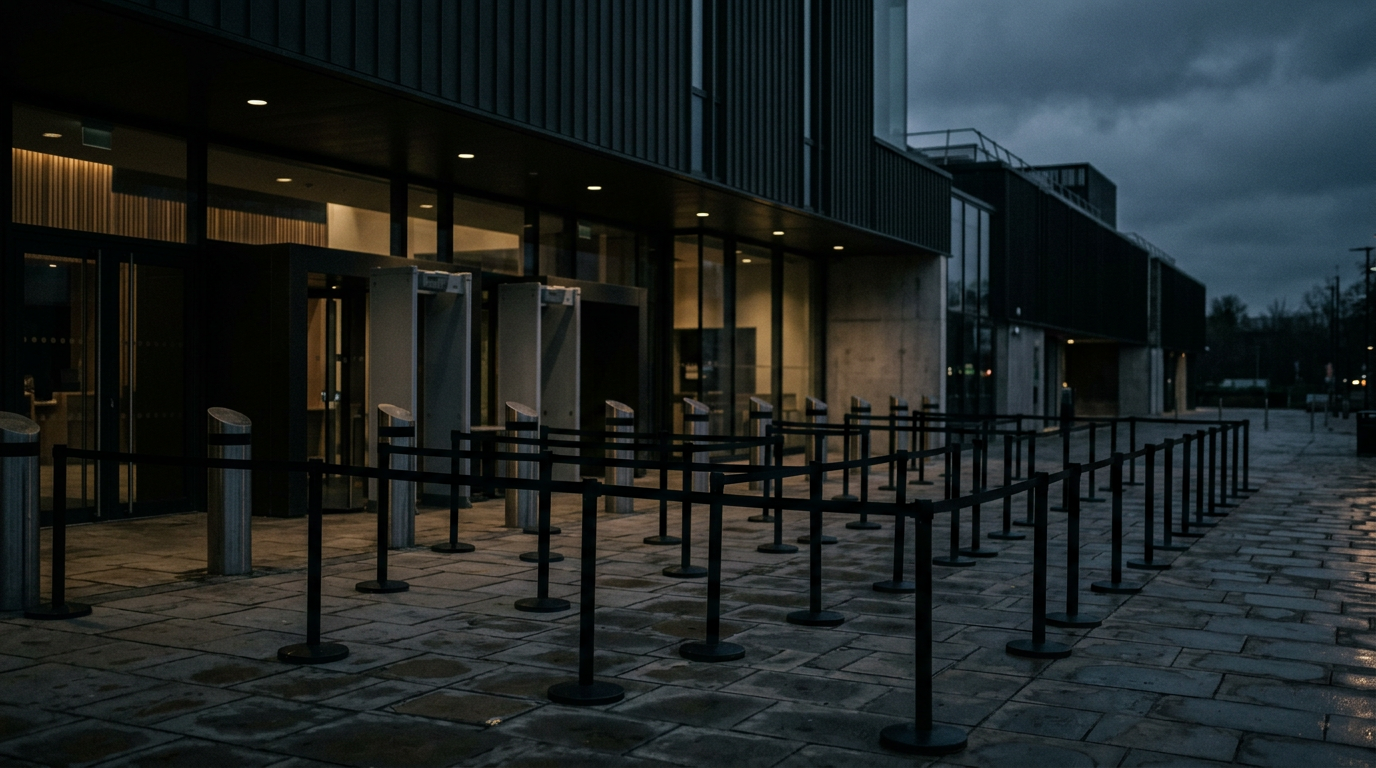
What this means in practice for the security industry: qualifying publicly accessible premises with capacity of 200 or more will carry legal preparedness duties, with heavier requirements in the enhanced tier. Security providers servicing venues, events and hospitality should be mapping their client portfolios against the tiers now — which sites qualify, at which tier, and what the gap is between current practice and what the statutory guidance describes. Expect procurement to start referencing Martyn's Law readiness well before 2027; the firms that can speak fluently to it will have an edge. If your organisation has views on how inspection and enforcement should work, today is the last day to put them on the record.