The shape of Martyn's Law is now clear enough to plan against. The Terrorism (Protection of Premises) Act 2025 puts venues into two tiers by capacity: a standard tier for premises expecting 200 to 799 people at once, and an enhanced tier for premises and qualifying events expecting 800 or more, per the SIA's published role. The Act is expected in force in spring 2027, with the SIA as regulator.
The duties scale with the tier. Standard-tier responsible persons must notify the SIA and put public-protection procedures in place: evacuation, invacuation, lockdown and communication. Enhanced-tier sites must also document and submit assessments and add measures such as monitoring, movement control and physical security. The test throughout is what is reasonably practicable for the site.
The detail is still landing. Home Office statutory guidance on scope is out, and the SIA's consultation on its section 12 guidance has closed, with final guidance and a full consultation report due in autumn 2026. The SIA has signalled a supportive, risk-based approach, with desk reviews and on-site inspections on at least 72 hours' notice.
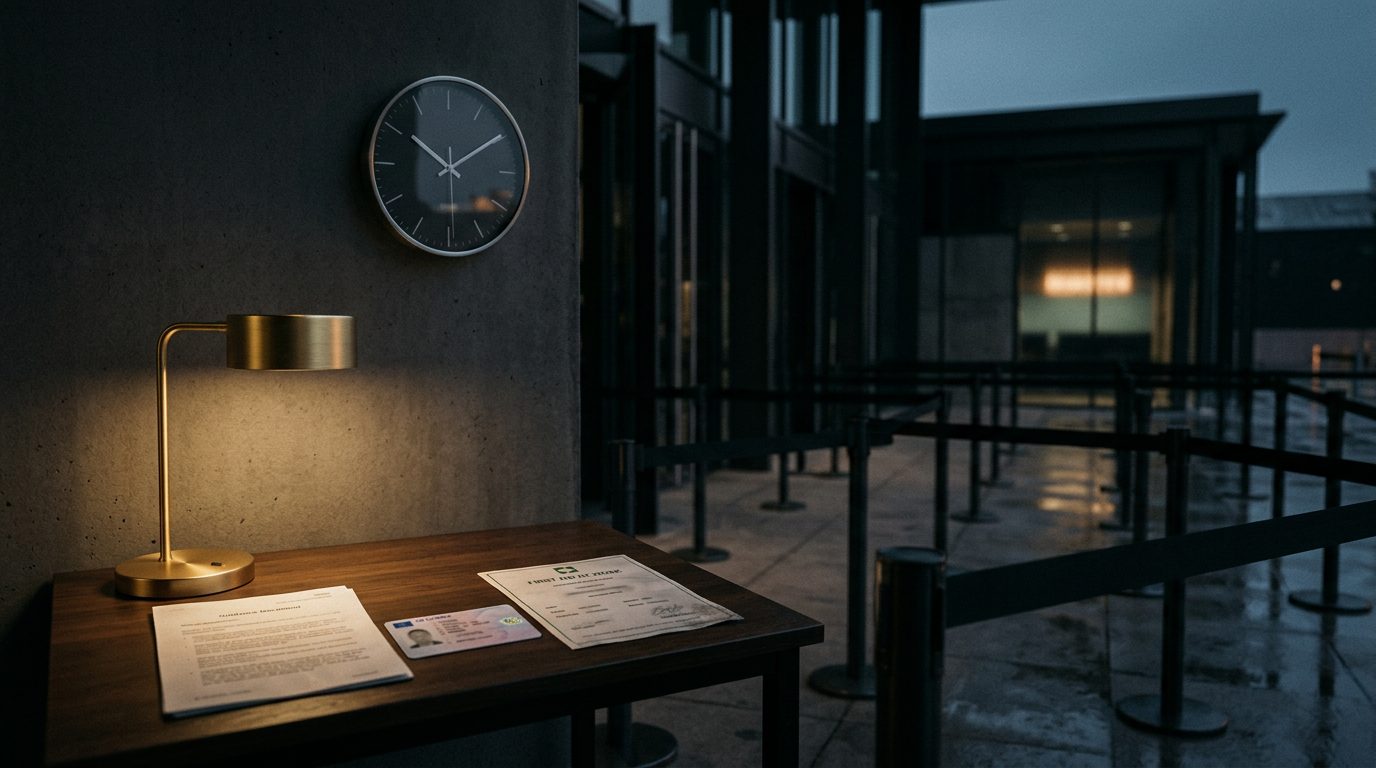
One change is already live and catching operators out. Since 1 April 2026, a close-protection licence cannot be renewed without an approved refresher qualification, available since 1 October 2025, and a valid first-aid ticket, the three-day First Aid at Work standard. The standard licence fee also rose to 204 pounds. It is a recurring requirement, not a one-off.
Two clocks are running. For CP operators the refresher and first-aid requirement is immediate, and a lapsed ticket means a lapsed licence, so check renewal dates now. For anyone advising venues, use the 200 and 800 thresholds and the reasonably-practicable test to start scoping duties before the autumn guidance, rather than waiting for spring 2027 to arrive.