The government published a White Paper on Thursday 22 October proposing new offences and tougher penalties for damaging undersea cables and pipelines, including prison sentences of up to 14 years. A consultation on the proposals closes at 23:59 on Thursday 14 January 2027.
What the government proposes
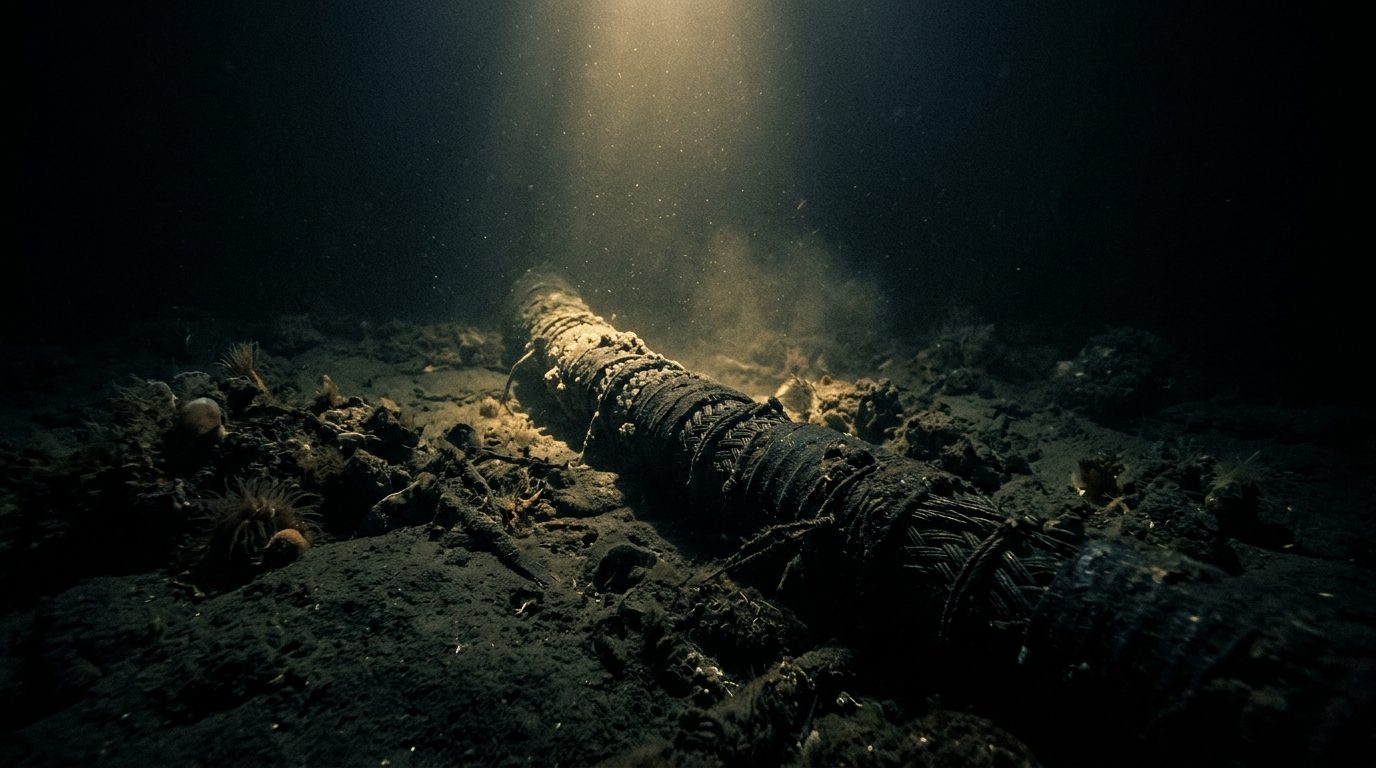
The announcement, published on GOV.UK, proposes new offences and tougher penalties, such as prison sentences of up to 14 years, for those who intentionally damage critical undersea energy and telecoms infrastructure. It proposes unlimited fines for ship owners, and penalties for intentional, reckless or negligent damage.
The White Paper would update 140-year-old legislation. It would also bring in security and resilience duties for subsea telecoms cable providers, a national security direction power for the Secretary of State, and a regime covering the security risks of fibre-optic sensing technology on subsea cables.
The announcement says undersea cables carry around 99 per cent of the UK's international data and undersea pipelines provide 74 per cent of its gas supply.
The Security Minister, Dan Jarvis, said: "Undersea cables carry the energy and data our country relies on every day. Protecting them is vital to our national security." He added: "Those who deliberately or recklessly damage our undersea infrastructure will face tougher penalties, including longer prison sentences and unlimited fines."
What the announcement says about the threat
It says that where cable faults occur, they are due to accidents, such as anchors and trawler nets, to environmental hazards or to technical failures. It also says suspicious activity is increasingly being observed, and that in April the British Armed Forces exposed a covert Russian submarine operation around critical undersea infrastructure in and around UK waters. The Telecoms Minister, Ian Murray, pointed to suspicious Russian activity around that infrastructure.
What is not in the record
The announcement does not allege any act of sabotage in UK waters. It gives one sentence on the April submarine operation and no further detail. It gives no date for a bill. This post is based on the announcement and the consultation page, not on the full White Paper.
What it means for firms and operators
This is Ops Con's reading, not government guidance.
The proposals cover reckless and negligent damage as well as intentional damage, so they are not aimed only at saboteurs. Firms working on or near ports, offshore energy and coastal telecoms sites should read the consultation.
Clients with assets in this sector may ask their security providers about the proposals. The announcement and the consultation page are the authoritative account until a bill is published.