The FCDO's Saudi Arabia advice, updated on 8 October, carries a line that matters to anyone working under missile and drone threat: "The greatest risk is from falling debris caused by intercepts, and you are safest inside a secure structure". This piece turns the FCDO's shelter guidance into a short drill for protection teams. The FCDO lines are quoted; the rest is Ops Con practice, not FCDO advice.
What the FCDO advises
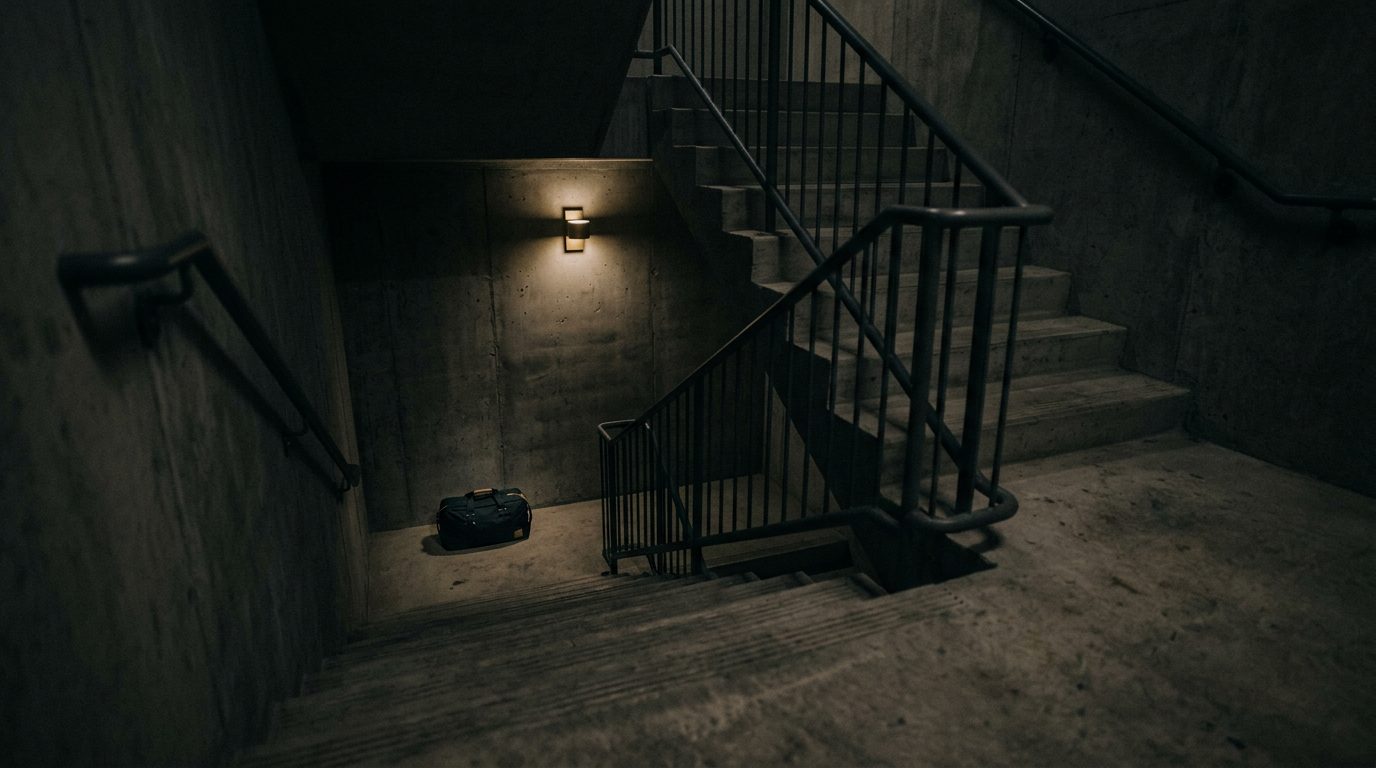
The advice for British nationals in the Middle East says that "if you are advised to take shelter, stay indoors or find the nearest safe building or designated shelter. An interior stairwell or a room with as few external walls or windows as possible may provide additional protection." It also advises people to "refrain from capturing or sharing images of conflict-related incidents", to "stay away from areas around oil infrastructure and military facilities", and to keep departure plans under review with travel documents up to date. In Saudi Arabia it says to follow Saudi Civil Defence alerts.
Before you need it
On arrival at every hotel, office and residence, walk the building and pick the shelter point: an interior stairwell or a room with few external walls or windows, away from glazing and atriums. Brief the principal and the team on where it is and how long it takes to reach it from the rooms they use most. Make sure everyone can receive local alerts, and agree a single word or phrase that means "move to shelter now".
When an alert sounds
Move the principal to the shelter point without waiting to see or hear the intercept. Stay away from windows. Do not go outside or onto balconies to look. Account for every member of the party, then stay put until the authorities say it is safe or the agreed all clear is given.
On the move
The FCDO does not say what to do if an alert comes while you are driving. Our practice: if an alert comes while driving, make for the nearest solid building rather than staying in the vehicle in the open, and plan routes with known shelter options along them. Avoid routes past oil facilities and military sites where you can.
Afterwards
Do not film or photograph intercepts or impact sites, and tell the principal's party the same, since the FCDO advises against capturing or sharing images. Keep clear of any debris. Check the airport and airspace position before moving, as the FCDO warns airspace can close at short notice, and keep documents and grab bags ready for a departure at short notice.