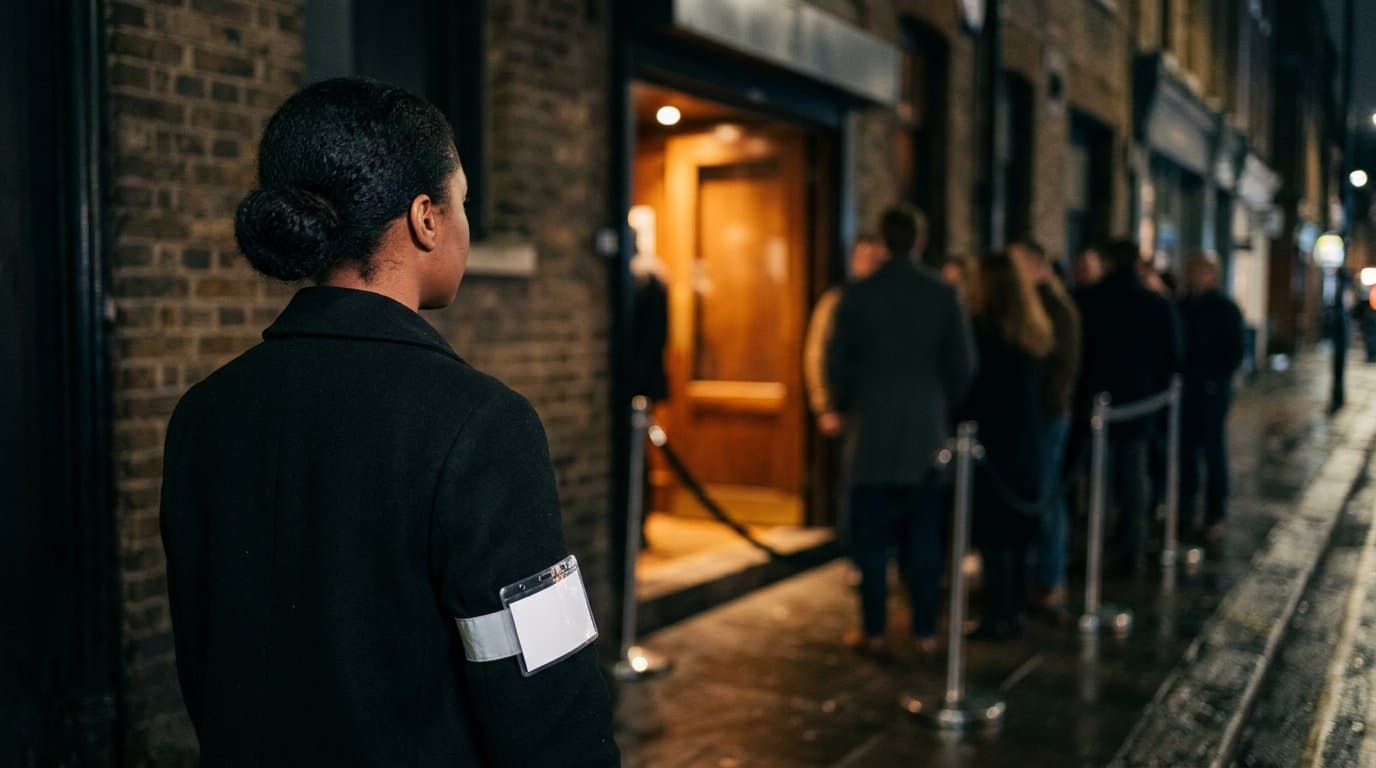
If you want to work in the UK private security industry (as a door supervisor, security guard, CCTV operator or close protection officer), you almost certainly need an SIA licence, often called an "SIA badge". It is a legal requirement, and working in a licensable role without one is a criminal offence for both you and anyone who employs you. This guide walks you through exactly how to get your SIA badge, step by step.
What Is an SIA Licence (the "SIA Badge")?
An SIA licence is the official authorisation to carry out a licensable security activity in the UK. The physical card you receive is what people commonly call the "SIA badge". Most front-line licences are valid for three years, after which you renew. You must carry your licence while working and present it on request.
Step 1: Choose the Right Licence Type
The SIA issues different licences for different roles. You apply for the one that matches the work you intend to do, and you can hold more than one. The main front-line licence types are:
- Door Supervision: controlling entry and supervising premises licensed for alcohol or entertainment (pubs, clubs, events). The most common entry-level licence.
- Security Guarding: guarding premises, property or people from theft, damage or trespass (static guarding, retail, corporate sites).
- Close Protection (CP): protecting individuals from assault or injury (bodyguarding / executive protection). A higher-level licence with its own dedicated qualification.
- Public Space Surveillance (CCTV): operating CCTV equipment to monitor public areas and identify or track individuals.
- Cash and Valuables in Transit (CVIT): transporting cash and valuables.
- Key Holding: keeping and responding with keys to premises.
Step 2: Complete the SIA-Approved Training and Qualification
Before you can apply, you must hold the recognised qualification for your chosen licence. You earn this by completing a training course delivered by an SIA-approved training provider and awarded by a recognised awarding organisation (such as Highfield, Pearson, Qualsafe or SFJ Awards).
- Door Supervision: Level 2 Award for Working as a Door Supervisor (typically delivered over around 6 days).
- Security Guarding: Level 2 Award for Working as a Security Officer (typically around 4 days).
- CCTV (Public Space Surveillance): Level 2 Award for CCTV Operators.
- Close Protection: Level 3 Certificate for Working as a Close Protection Operative (typically 140+ hours / around 16+ days, plus a separate first-aid qualification).
All front-line training now includes mandatory first aid and counter-terrorism (ACT) awareness content. You must pass the assessments to receive your qualification certificate. You cannot apply for the licence without it.
Step 3: Prove Your Identity and Right to Work
You must confirm your identity and your legal right to work in the UK. The SIA accepts standard documents: typically a valid passport or driving licence, plus supporting documents such as a recent utility bill or bank statement to confirm your address. If you do not hold a UK/EU passport, you will need to evidence your right to work (for example, a share code or visa documentation).
Step 4: The Criminality and Background Check
As part of the application the SIA runs a criminal record check. A criminal record does not automatically disqualify you. The SIA assesses each case against its criteria, considering the offence, how serious it was, and how long ago it occurred. Be honest on your application; non-disclosure is far more damaging than the conviction itself.
Many employers, especially in corporate and close protection work, additionally require BS7858 security screening: a more thorough background and employment-history vetting standard covering your last 5 years (employment, gaps, references, financial probity). This is separate from the SIA licence but is increasingly expected before you are put to work, so it is worth being ready for.
Step 5: Apply to the SIA
Once you hold your qualification, you apply directly through the SIA's official website. The application is online: you create an account, enter your personal details, upload your identity documents, declare your qualification and any convictions, and pay the fee. You then verify your identity (online, or in some cases via the Post Office).
- Create an account on the official SIA website (sia.homeoffice.gov.uk).
- Complete the online application form for your chosen licence type.
- Upload your identity and right-to-work documents.
- Declare your qualification and answer the criminality questions honestly.
- Pay the application fee.
- Complete identity verification if prompted.
Step 6: Fee and Timescales
A front-line SIA licence application fee is currently £190 and the licence lasts three years. That works out at a little over £63 per year. (The Close Protection licence carries the same SIA fee, though the training itself costs considerably more than other licence types because of the longer course.)
Most straightforward applications are processed within around 5 to 10 working days once all documents and checks are clear, though applications involving a more detailed criminality review can take longer. The SIA publishes current processing times on its website.
Step 7: Start Working and Keep Your Badge Valid
Once your licence is approved you can legally start work in that role. Carry your badge while working. Around 16 weeks before your licence expires, renew it through the SIA to avoid a gap. A lapsed licence means you cannot legally work until it is reinstated. Some licence types also require refresher training before renewal.
How The Ops Con Helps
The Ops Con is a platform built for the UK security industry, connecting people getting started with quality training and with real work once they are licensed. If you are aiming for close protection, our partner course providers deliver internationally respected CP training, and our Academy offers funded training places to Operator Pro members who truly need them (Annual members, or Monthly members of over 12 months). Once you hold your licence, our jobs board connects you with employers actively hiring SIA-licensed operators across the UK.
We are veterans- and blue-light-friendly, and a big part of what we do is helping people coming out of the forces or the emergency services translate their experience into a licensed security career.
Frequently Asked Questions
How long does it take to get an SIA badge?
Typically a few weeks: the training course itself (around 6 days for Door Supervision), then 5 to 10 working days for the SIA to process a clean application. Close Protection takes longer because the course is much longer.
How much does an SIA licence cost?
The SIA application fee is £190 for a three-year front-line licence. On top of that you pay for the training course, which varies by licence type.
Can I get an SIA licence with a criminal record?
Often yes. The SIA assesses each case individually based on the nature, seriousness and age of any offences. Always declare convictions honestly. Dishonesty is grounds for refusal.
Which SIA licence should I get first?
Door Supervision is the most popular entry point because it also covers most security guarding work, giving you the widest range of jobs from a single licence.