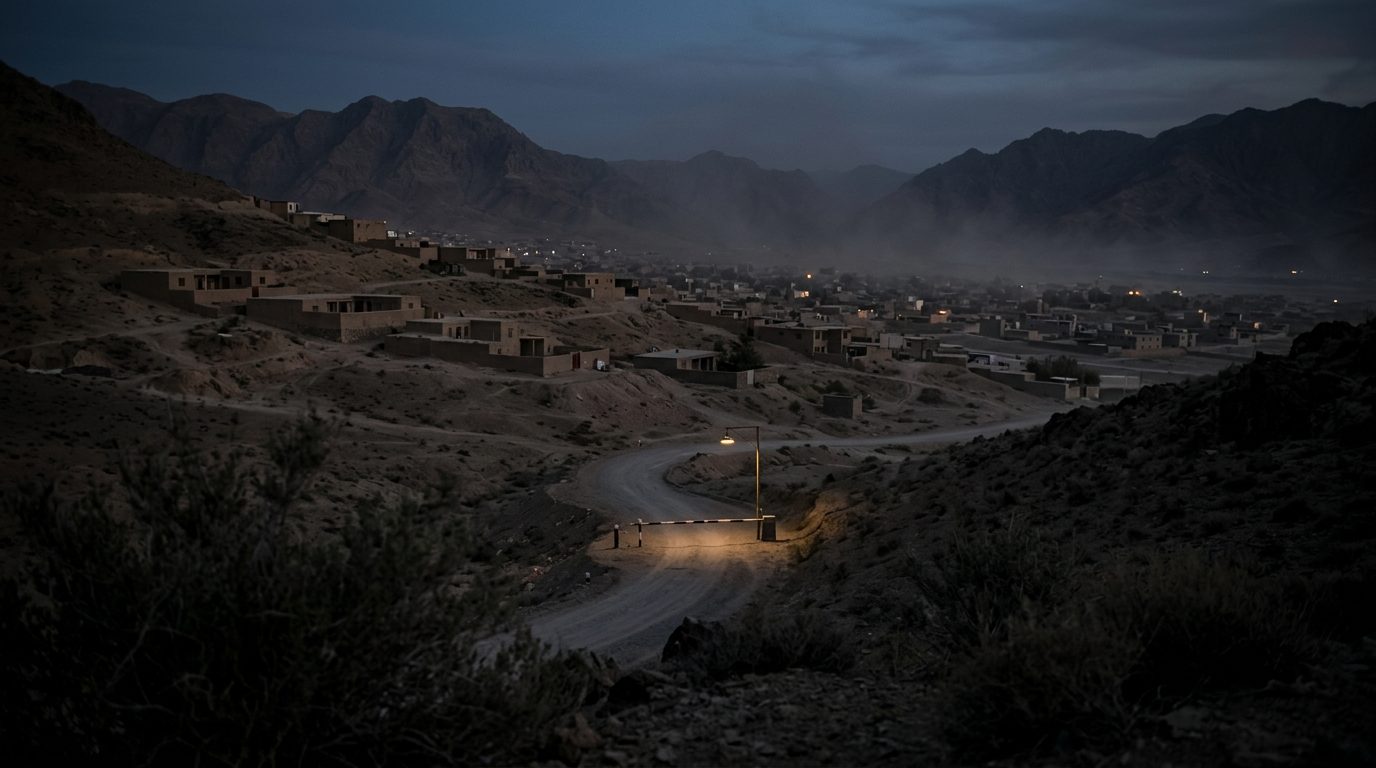
The UN Security Council heard its latest briefing on Afghanistan on 16 September, five years into Taliban rule. Georgette Gagnon, Deputy Special Representative for Afghanistan and Officer-in-Charge of the UN Assistance Mission in Afghanistan (UNAMA), said the de facto authorities were "highlighting nationwide control, improved security, infrastructure development, and economic stabilization efforts as evidence of their success". She called these developments encouraging, but told the Council they are occurring in a context of severe restrictions on women and girls, exclusionary governance, a human rights crisis and the continued presence of terrorist groups.
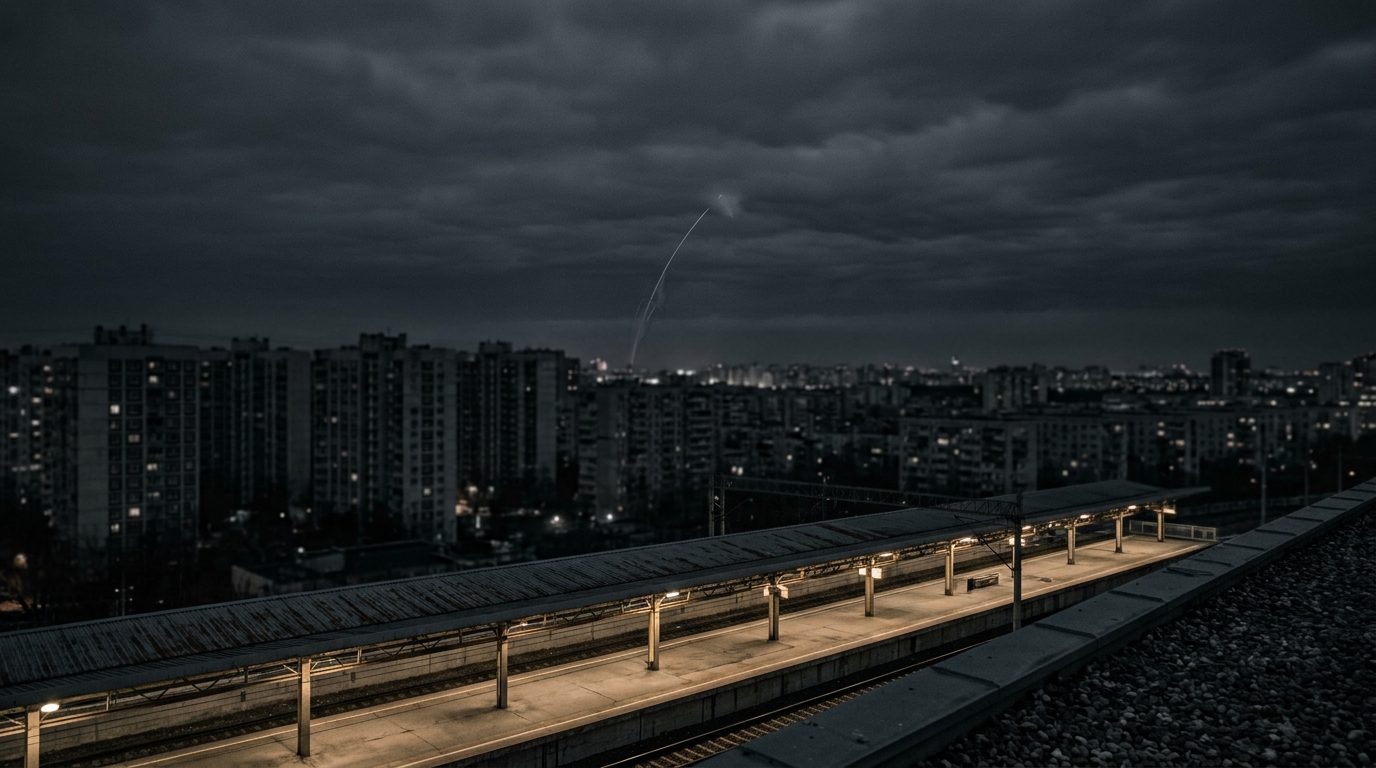
Afghanistan's UN delegate put it plainly: "The absence of large-scale war should not be mistaken for sustainable peace." He noted that the Council's Monitoring Team has reported the presence of more than 20 terrorist groups. Iran's delegate said "ISIL-K and other extremist groups continue to threaten Afghanistan and its neighbours," and Pakistan's delegate said that in the last three years 4,700 Pakistanis lost their lives to terrorism from Afghanistan.
Hostage-taking came up directly. The United States representative said Washington will not tolerate the Taliban taking American citizens hostage, nor be intimidated by a regime that uses American citizens as "bargaining chips".
Population movement is also putting pressure on the country. Gagnon described the return of 6.5 million Afghans since 2023 as an "extreme demographic and socioeconomic shock", and Afghanistan's delegate said nearly 1.15 million returned between January and August this year, many involuntarily.
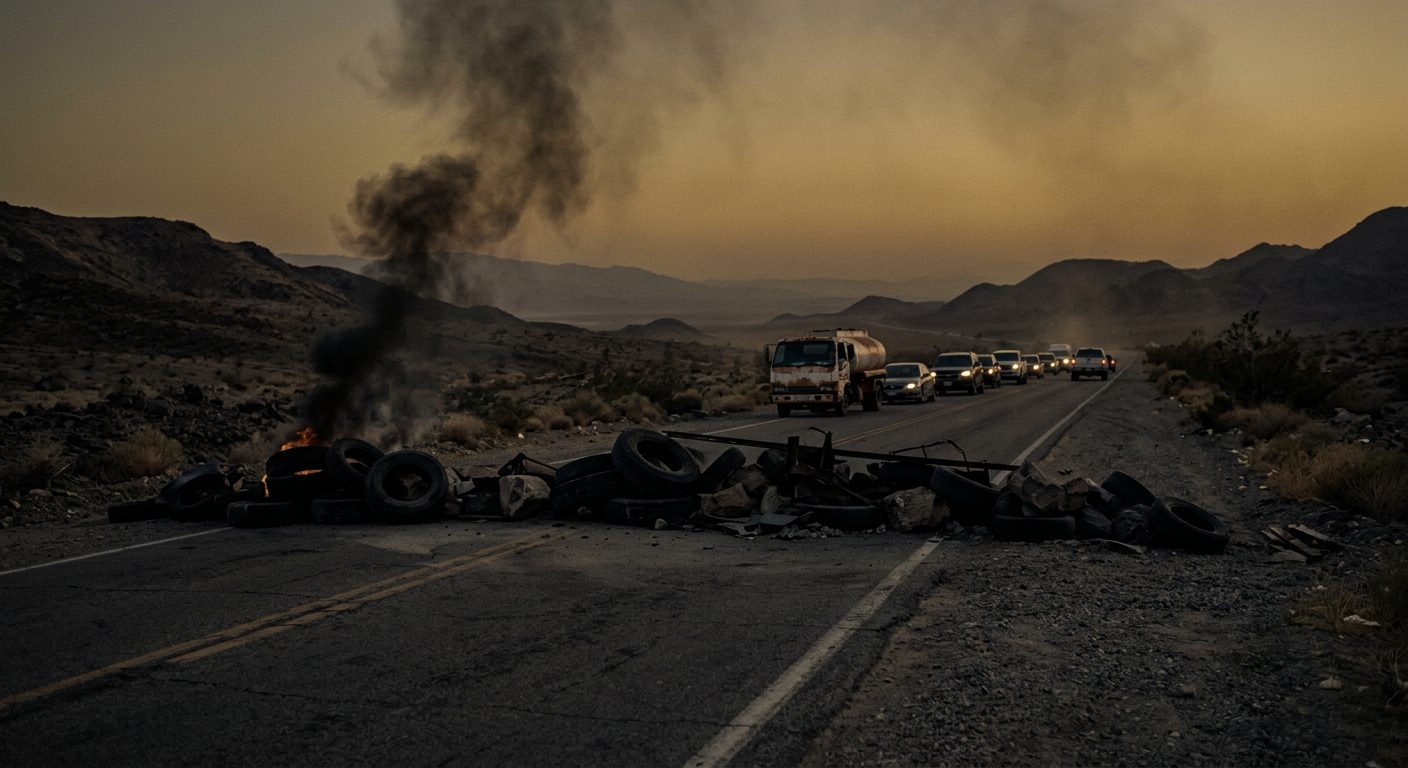
The FCDO's Afghanistan advice, last updated on 30 July, advises against all travel to Afghanistan, "even if you are part of an organised tour group". There is no British Embassy and the FCDO cannot give in-person consular assistance. On kidnap, it says: "There is a very high threat of being kidnapped in Afghanistan." Criminal groups may kidnap victims by stopping cars on busy roads or targeting people withdrawing money from banks and ATMs.
The detention risk is the point for this readership. The FCDO says the Taliban are likely to suspect you of spying and may detain you if you are found with weapons or explosives, tracking devices, large amounts of money or items considered unusual. It adds: "The risk of detention is especially high if you have worked in the military or have connections to previously detained British nationals." If found guilty of spying or working to undermine Afghanistan's national security, the punishment may be execution.
For operators: the relative calm the Taliban point to is not a change in the risk to foreigners, and the UK advice is still against all travel. For anyone with a military background, the FCDO names that history as a specific detention risk, so it should weigh heavily on any decision to accept Afghan-related work in country. Kit that would be routine elsewhere, such as trackers, weapons or large cash floats, is exactly what the FCDO says can lead to a spying suspicion.