Red Sea attacks resume, and the IMO's language hardens
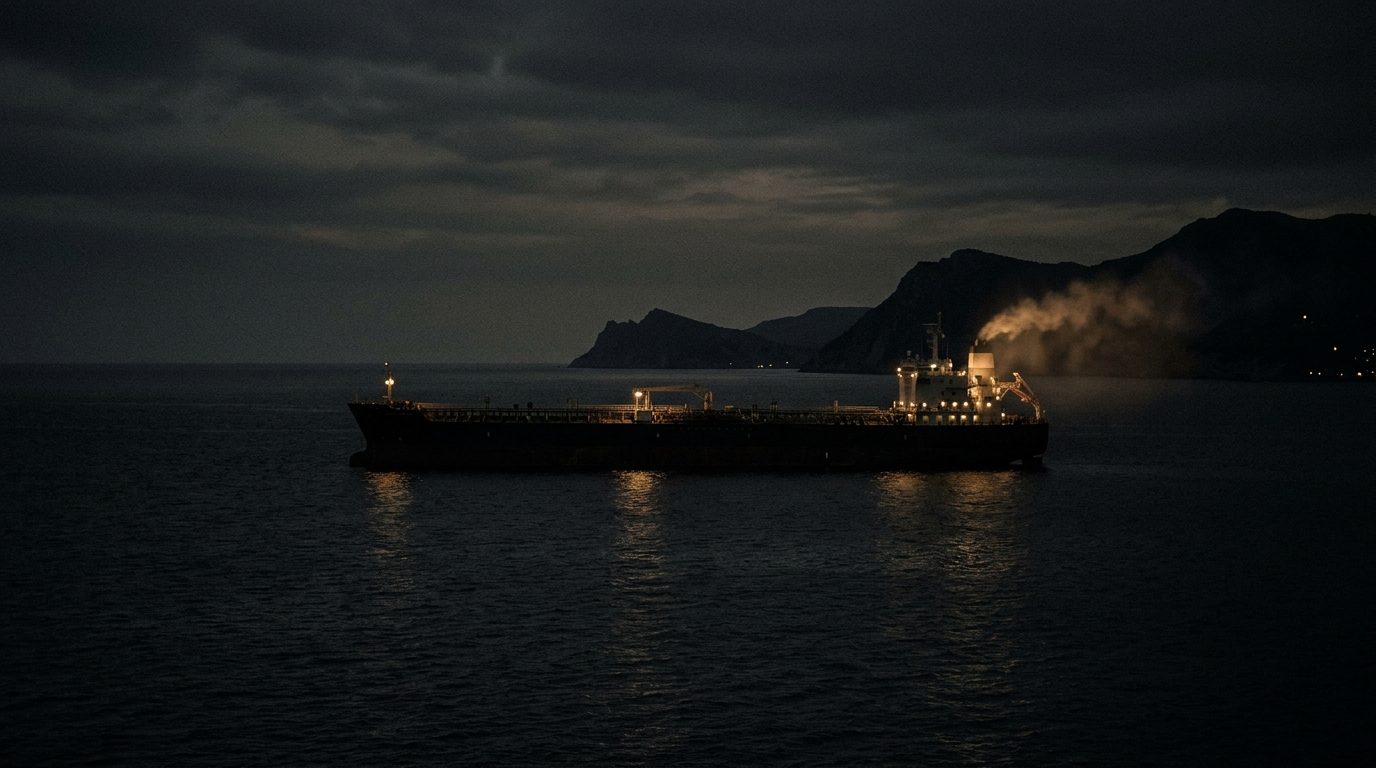
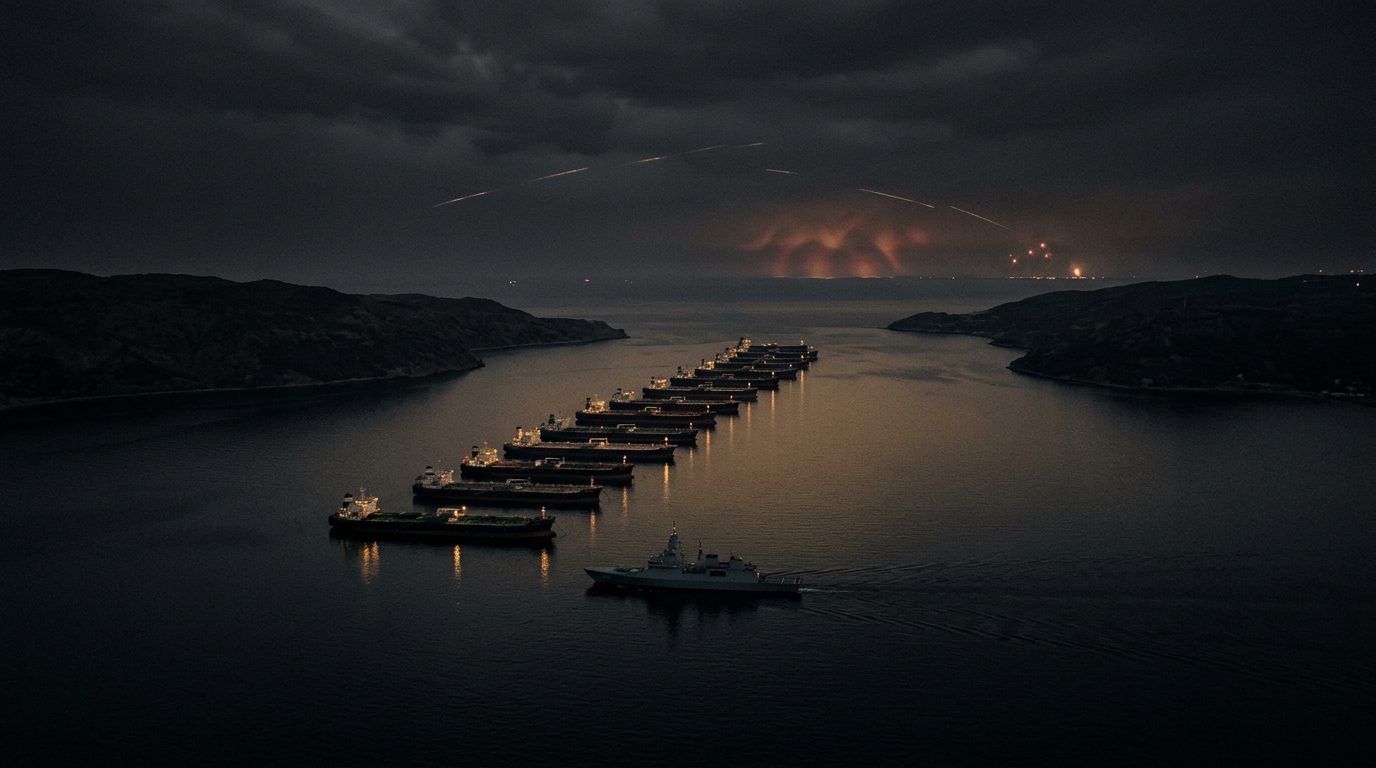
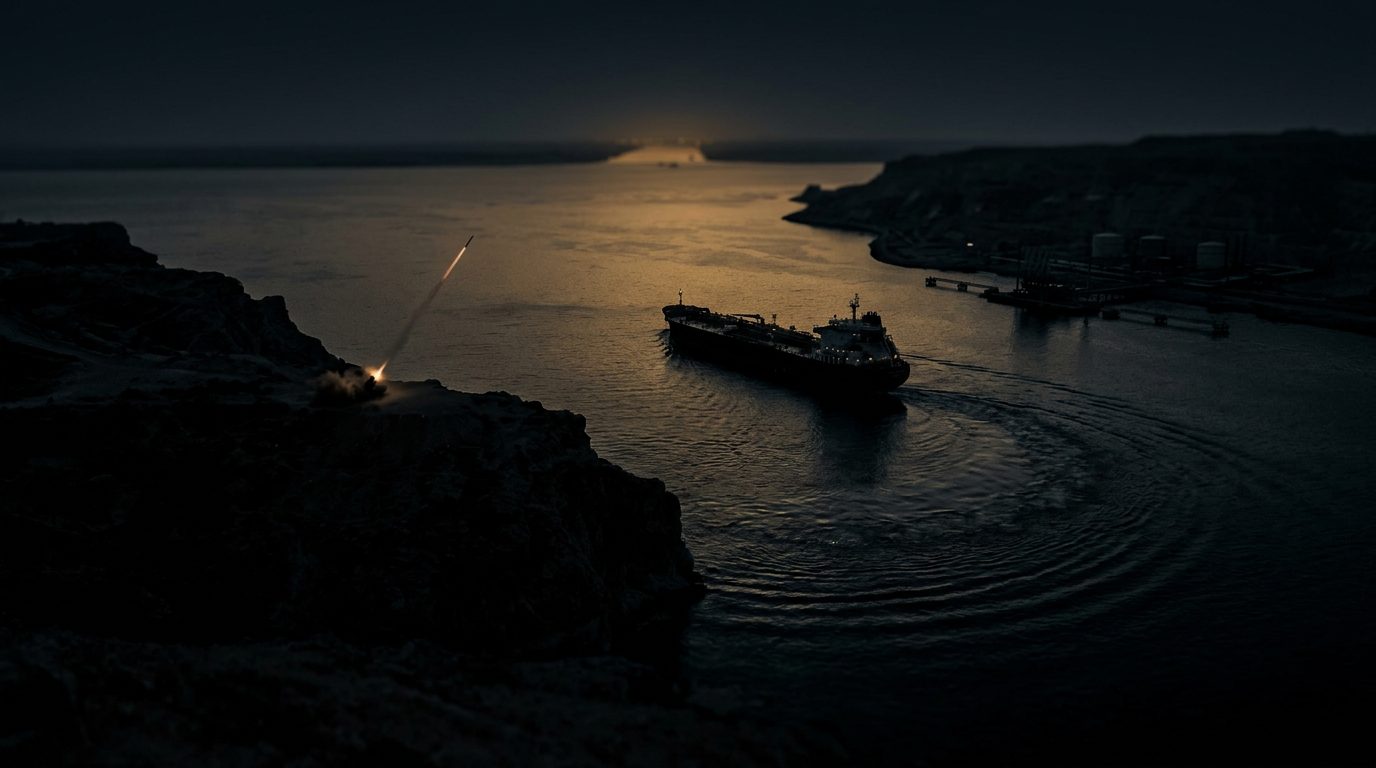
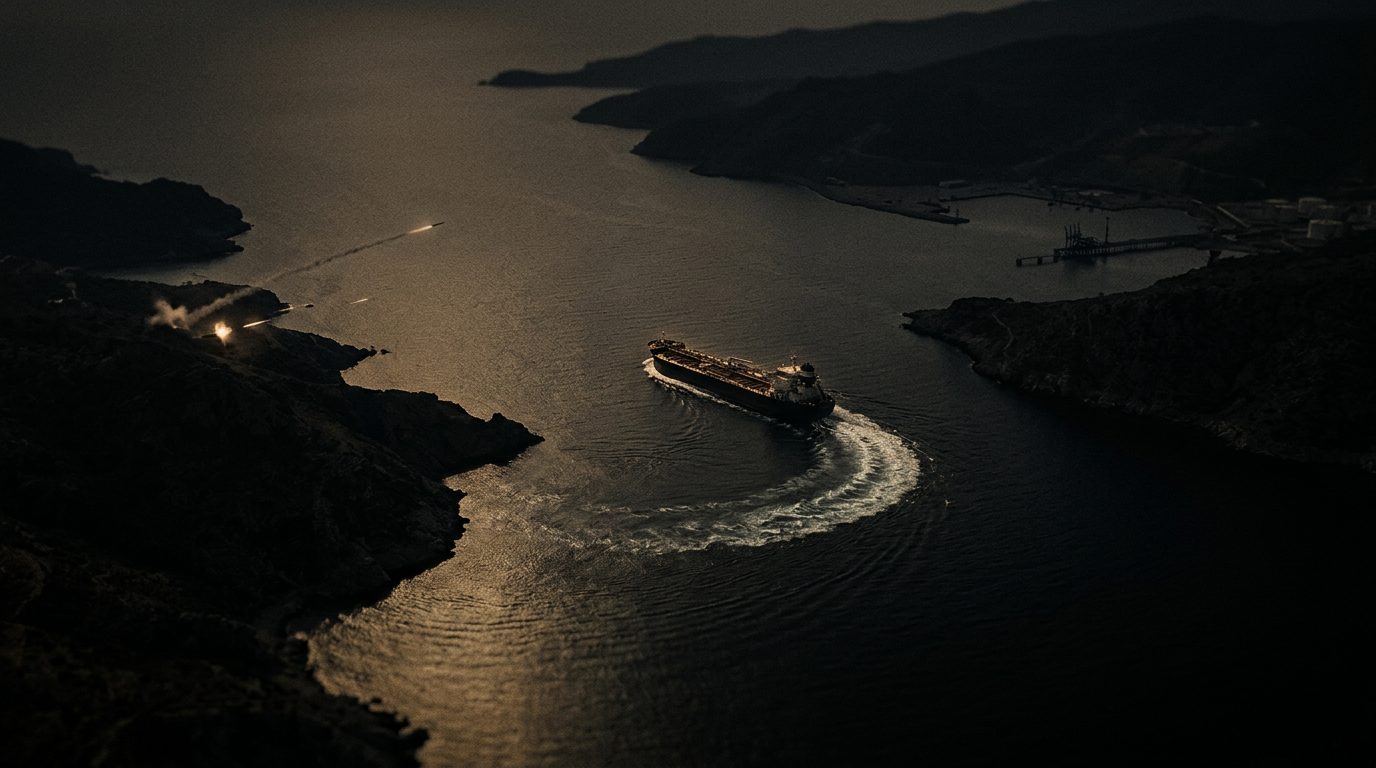
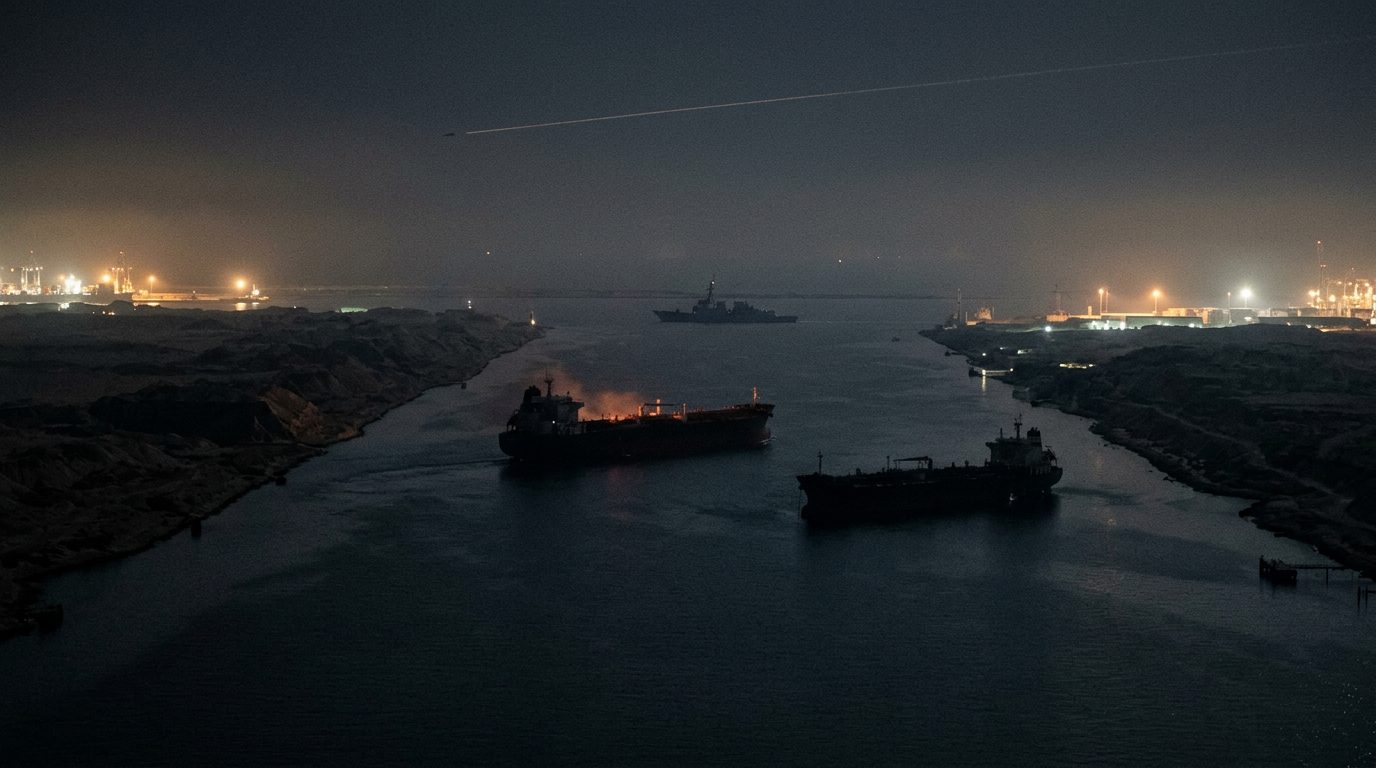
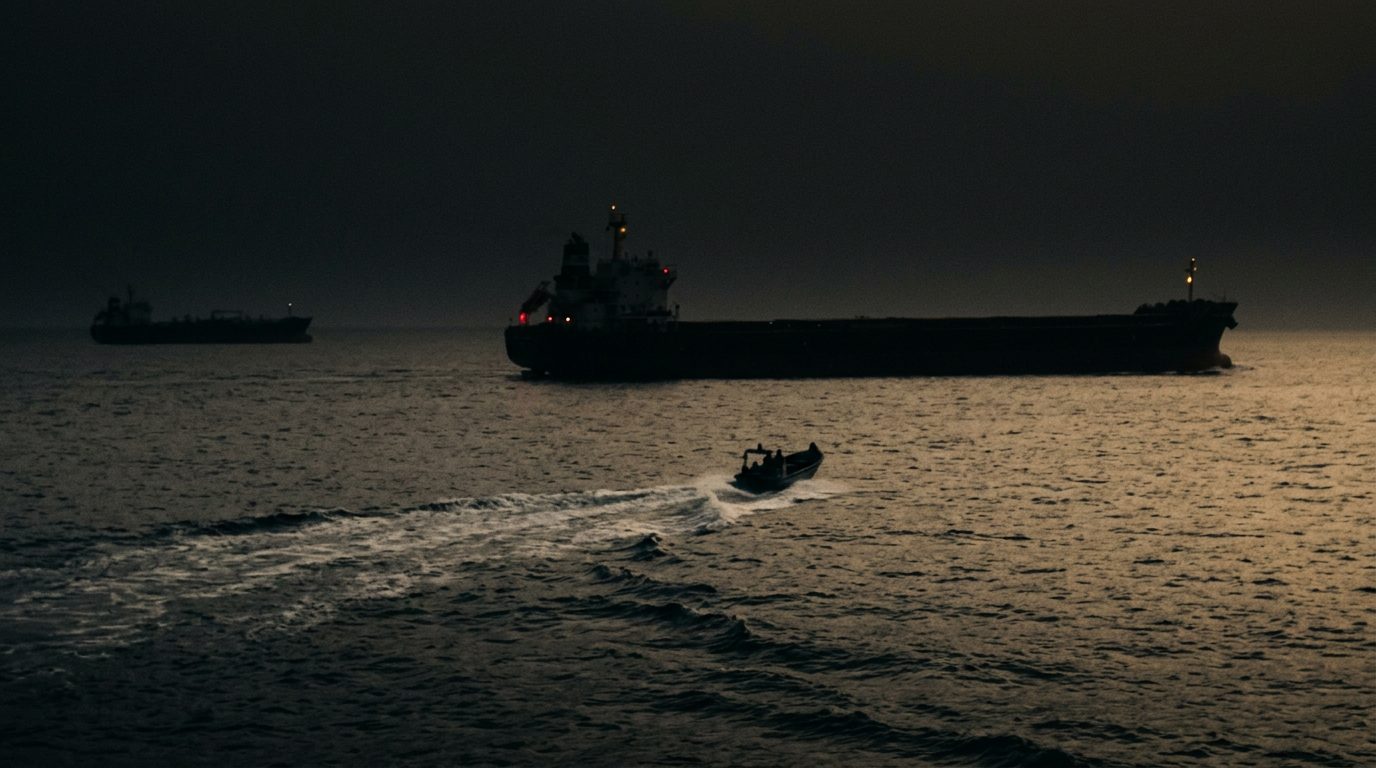
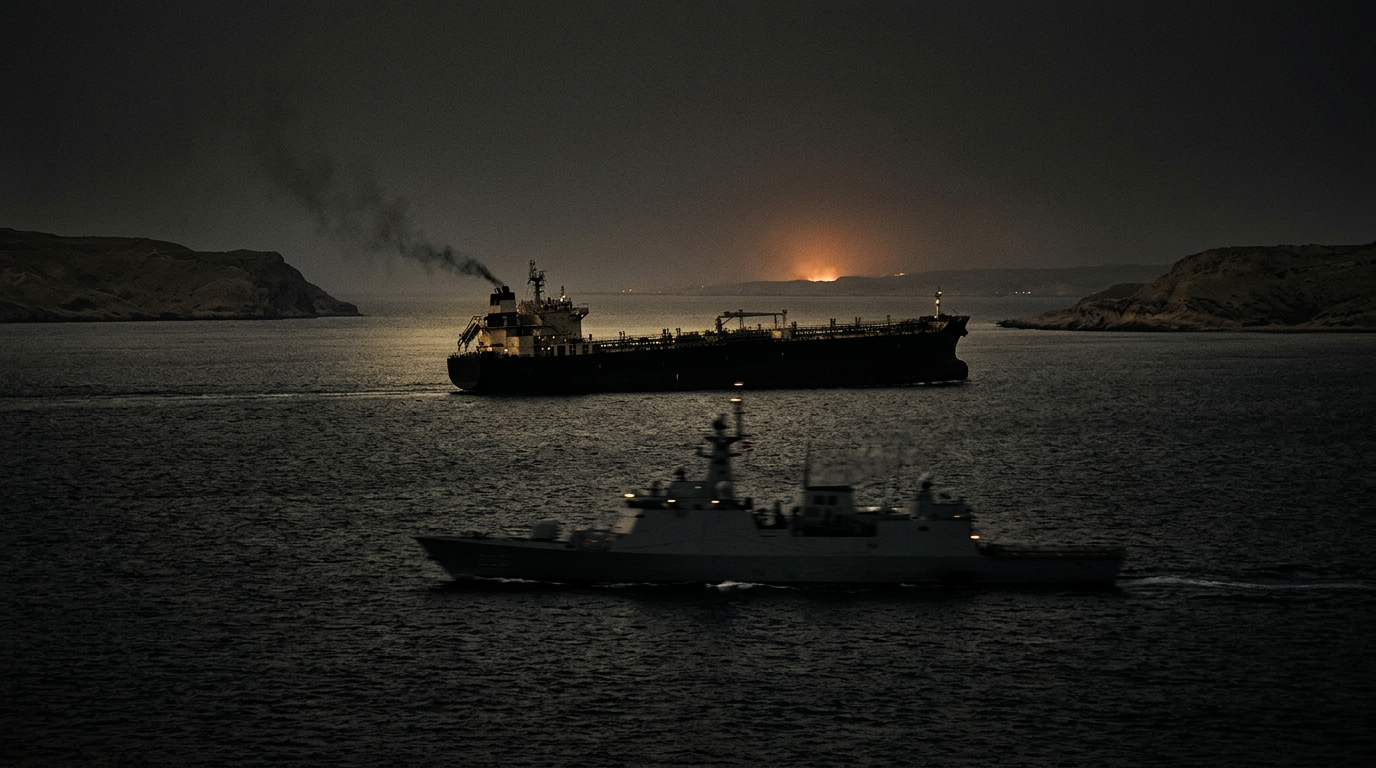
Two Saudi oil tankers were reportedly struck on 23 July. The IMO called the attacks indefensible; the UN warned they risk drawing Yemen deeper into regional conflict.
ListenThreat reporting and risk analysis for protective operations.

Two Saudi oil tankers were reportedly struck on 23 July. The IMO called the attacks indefensible; the UN warned they risk drawing Yemen deeper into regional conflict.
Listen
Resolution 2826 extends monthly Secretary-General reporting on Houthi attacks to 15 January 2027. It passed 13 to nil with two abstentions, one day before the previous mandate lapsed.
Listen
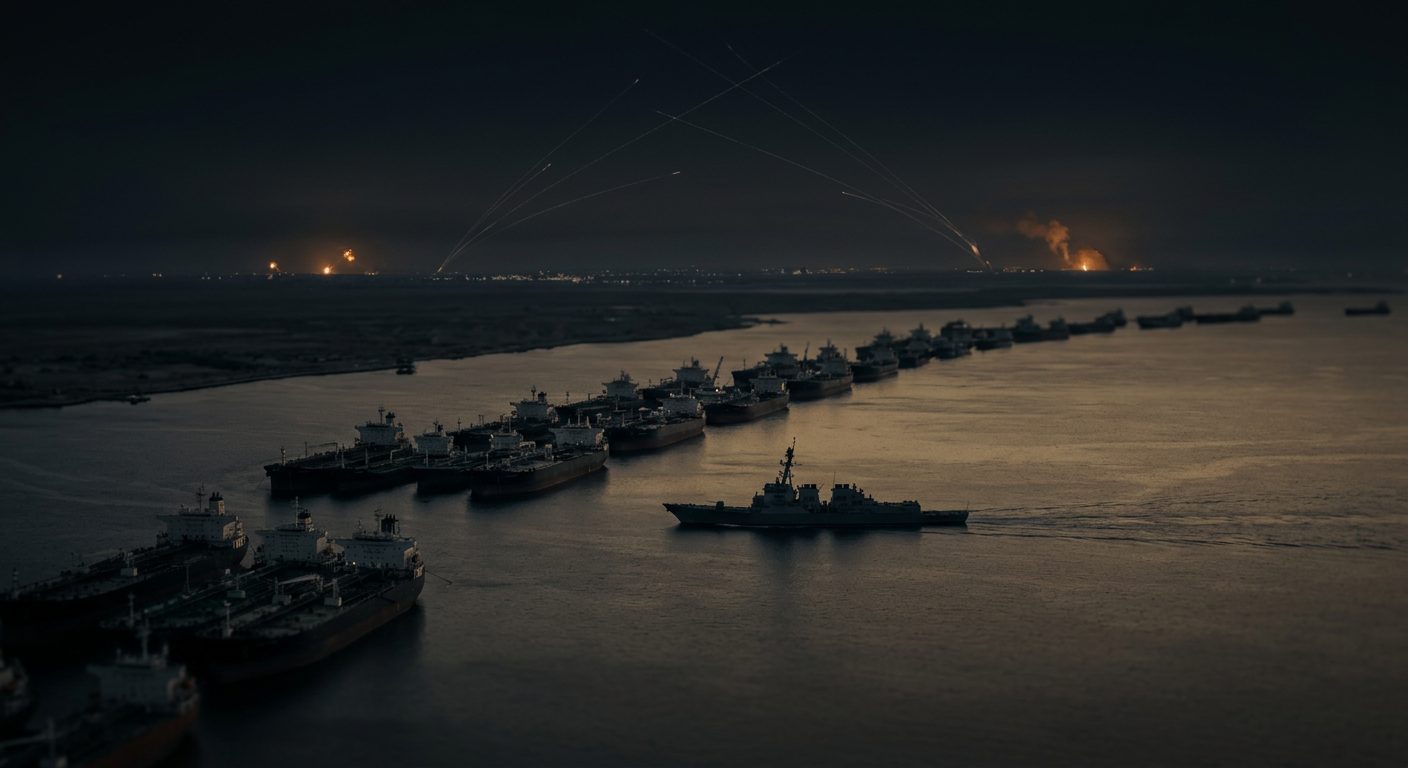
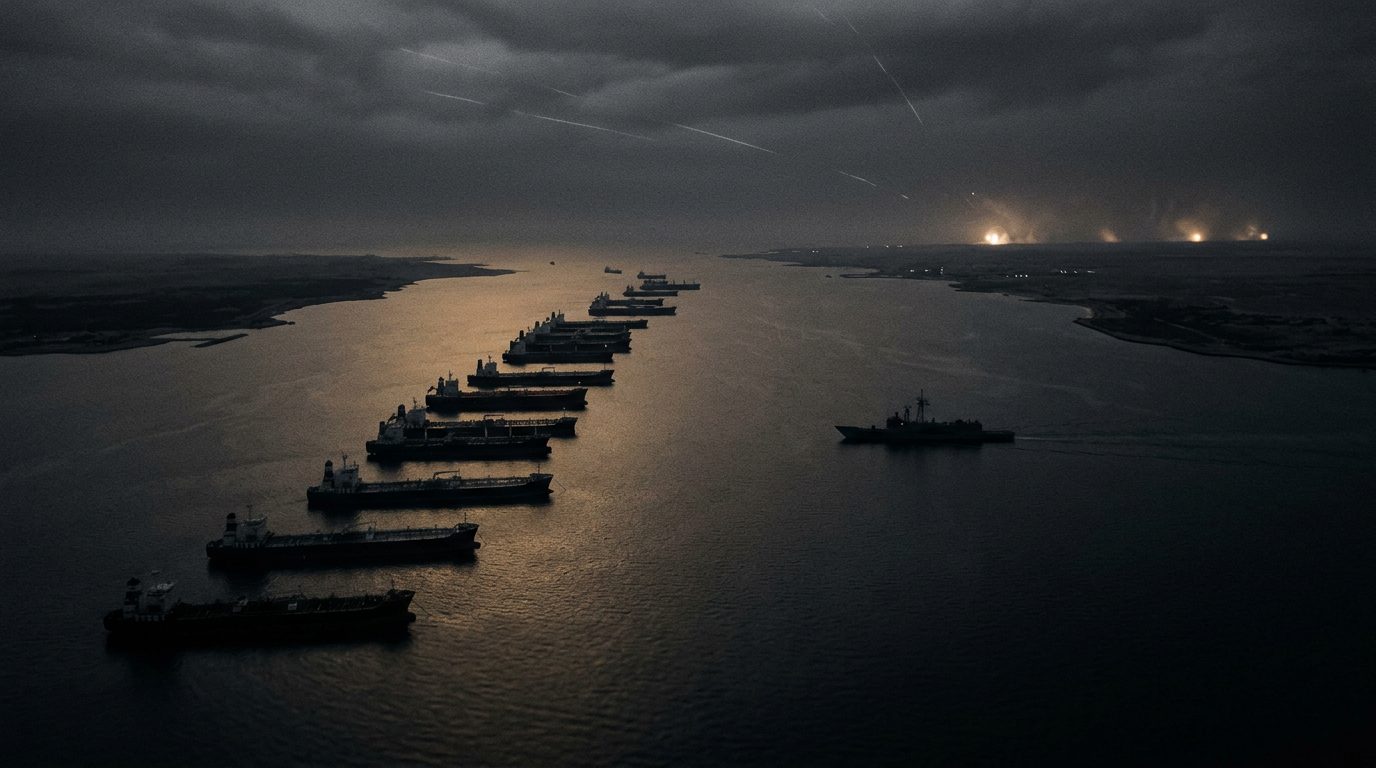
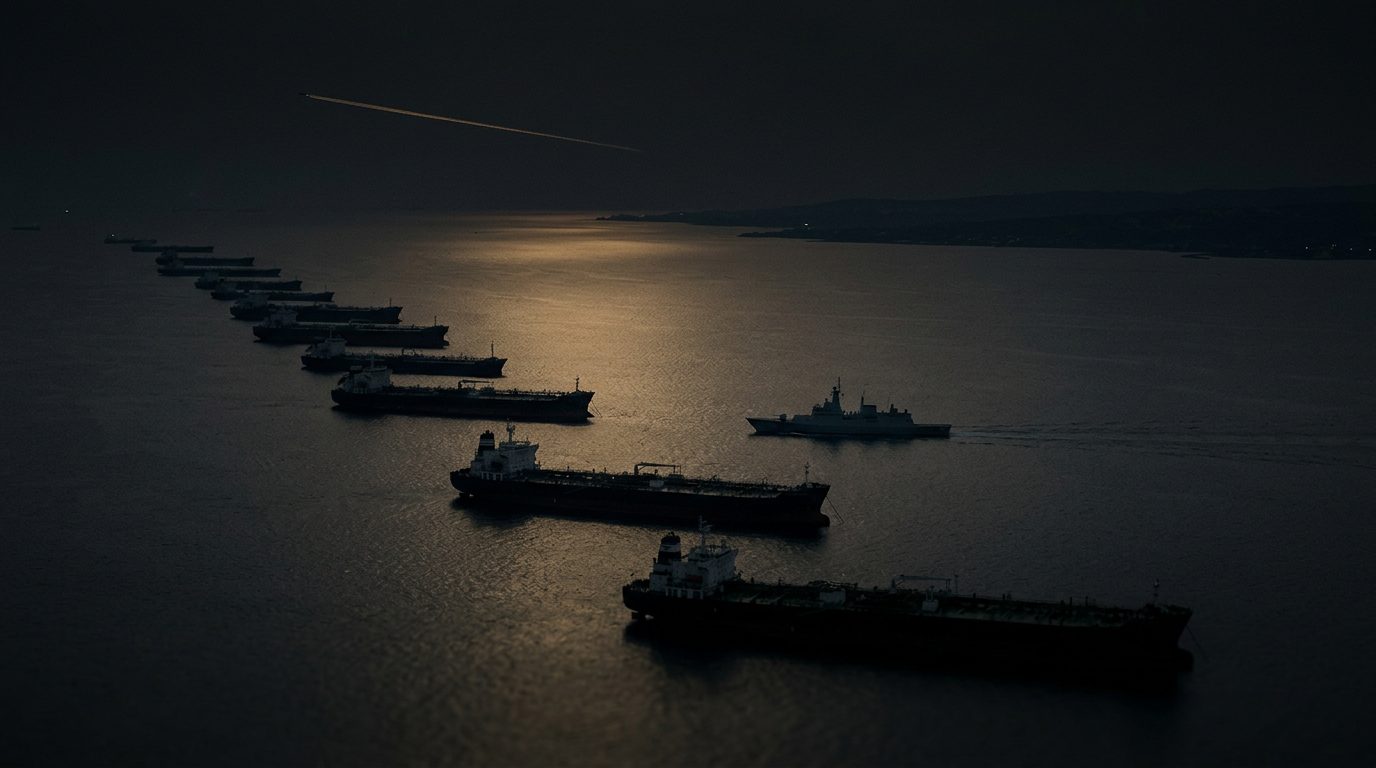
A fresh round of US strikes on Iran and a US naval blockade that was reinstated in mid-July leave the Strait of Hormuz effectively closed to commercial traffic. Vessels are still being hit and crews are still being killed.
Listen
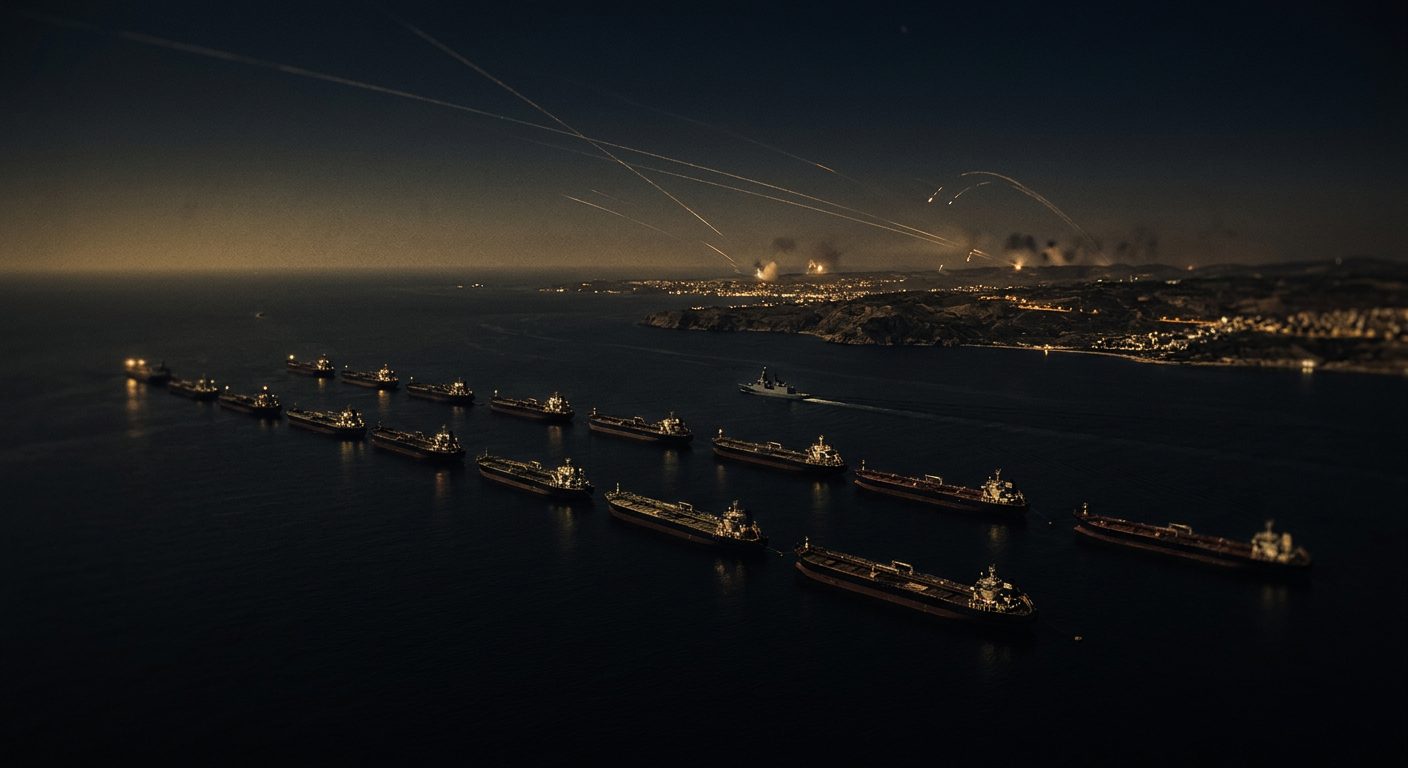
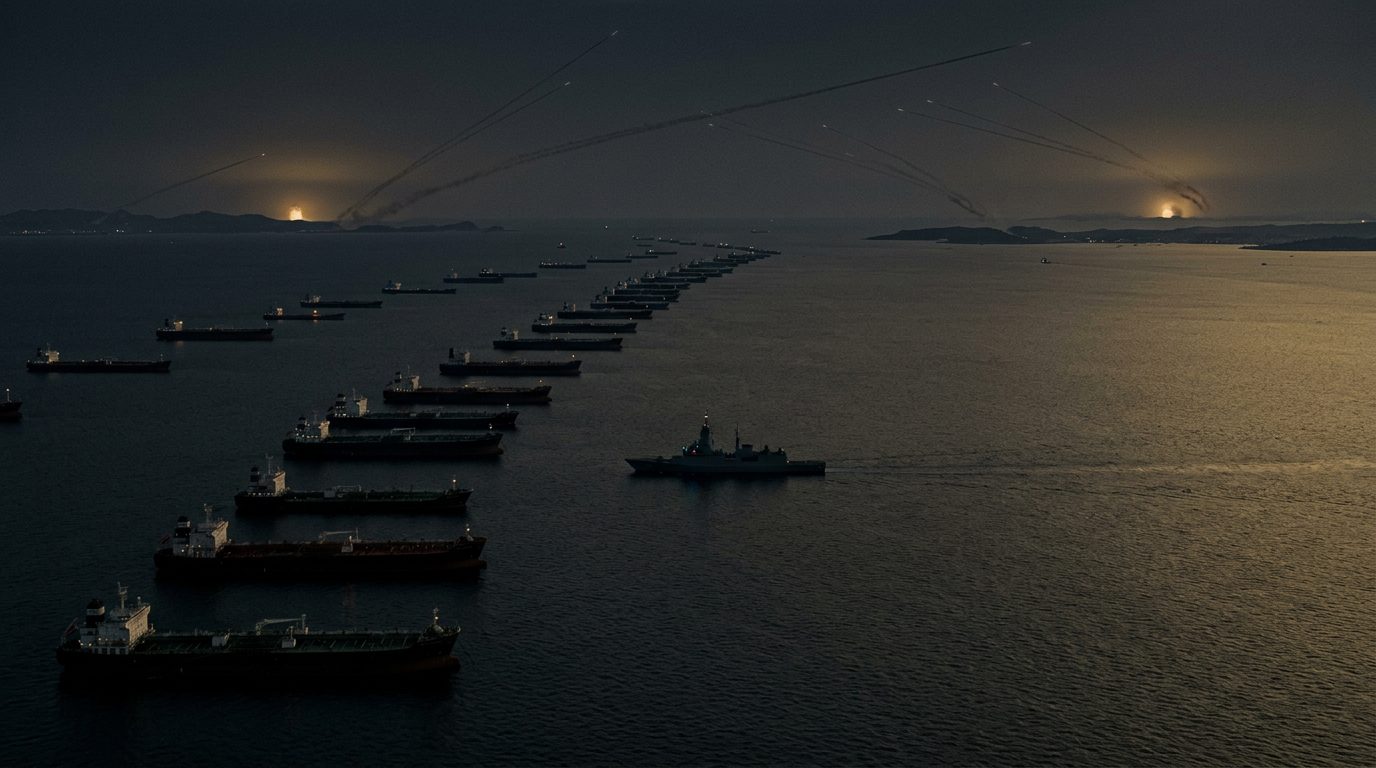
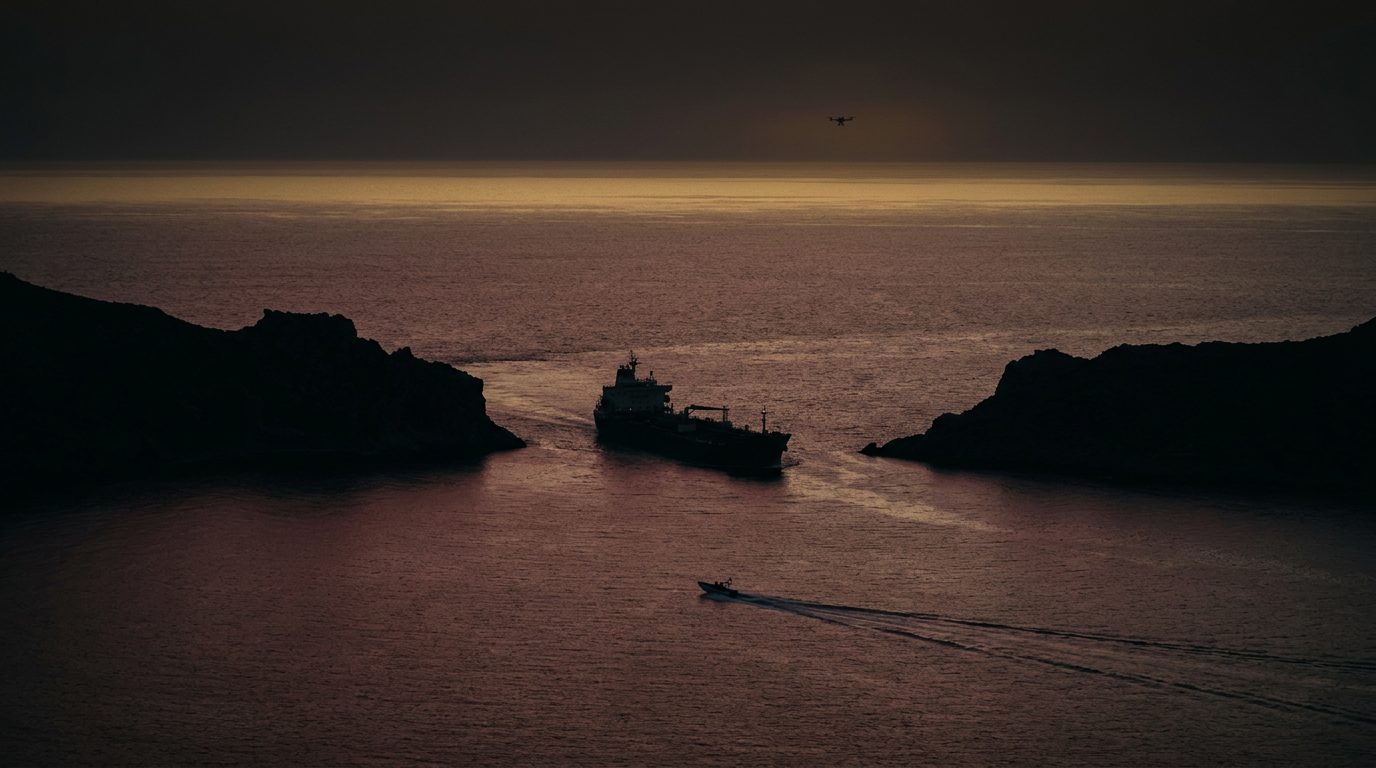
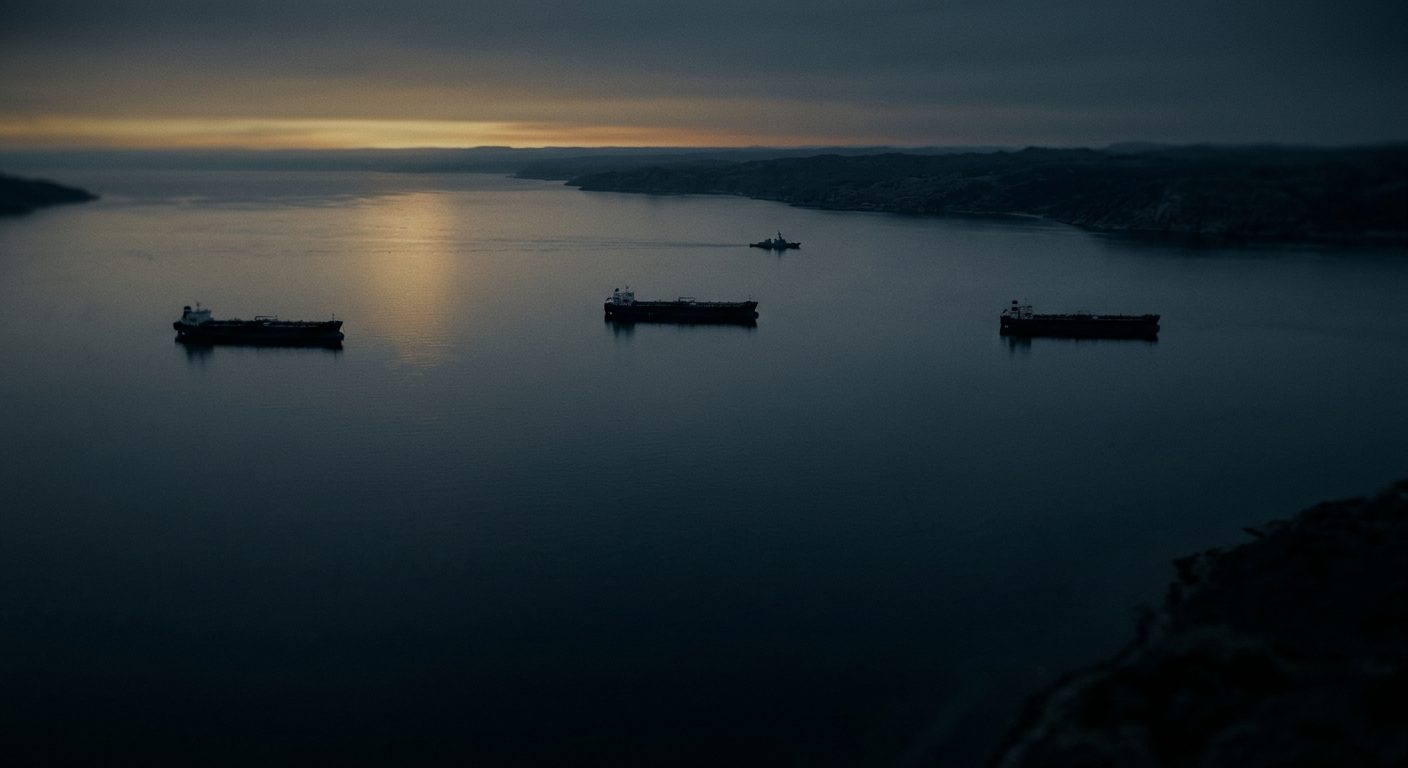
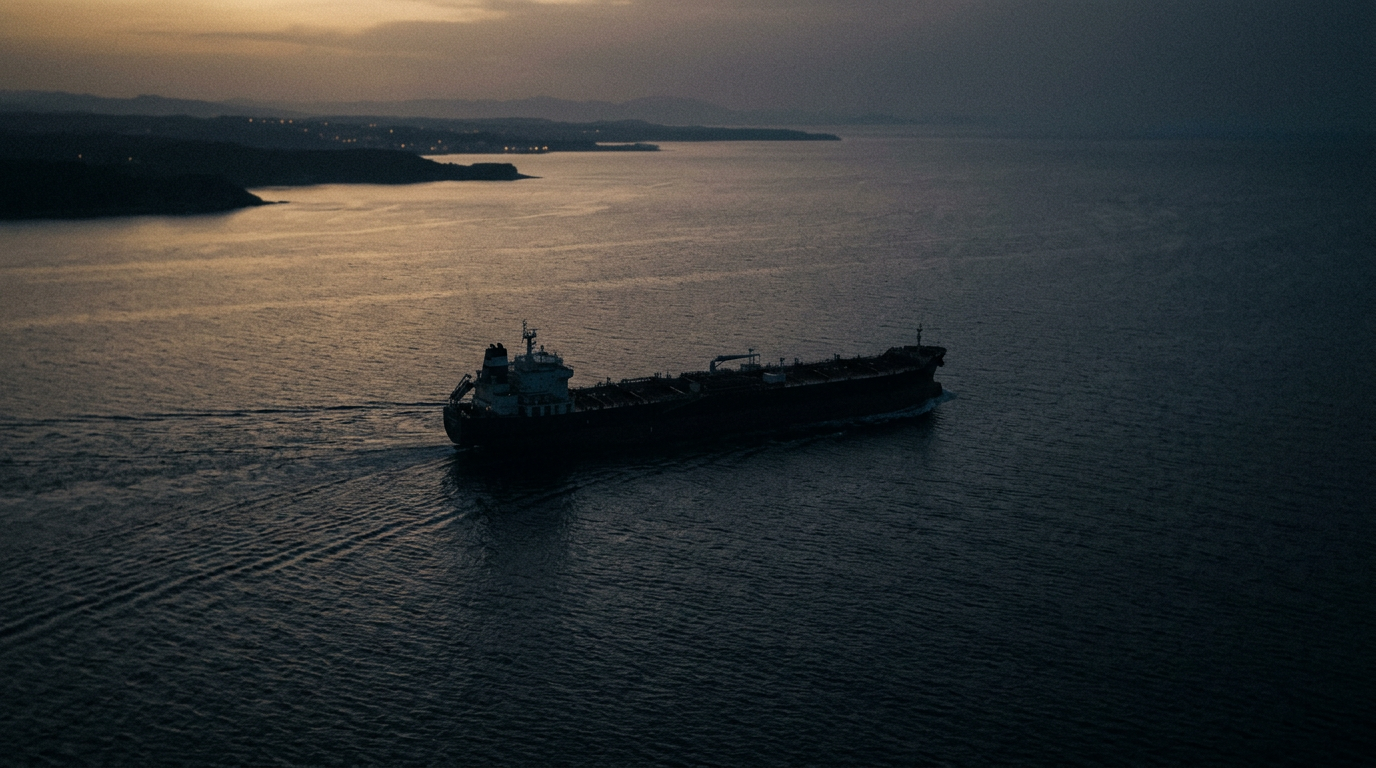
Open-source reporting has the Houthis enforcing a naval blockade on Saudi Arabia through Bab el-Mandeb. Tankers are turning back toward Suez, loadings are already down sharply, and with Hormuz still shut the two chokepoints together sit over a quarter of the world's oil and gas.
Listen
The Houthis have declared a maritime embargo on Saudi Arabia through Bab al-Mandeb, and tankers are already turning back. With Hormuz effectively shut, a second Gulf-to-Red-Sea artery is now contested.
Listen
Open-source reporting has US forces striking Iran for a tenth consecutive night and Iran hitting another tanker in the strait. The interim deal has collapsed and the waterway that once carried a quarter of the world's seaborne oil has all but stopped.
Listen
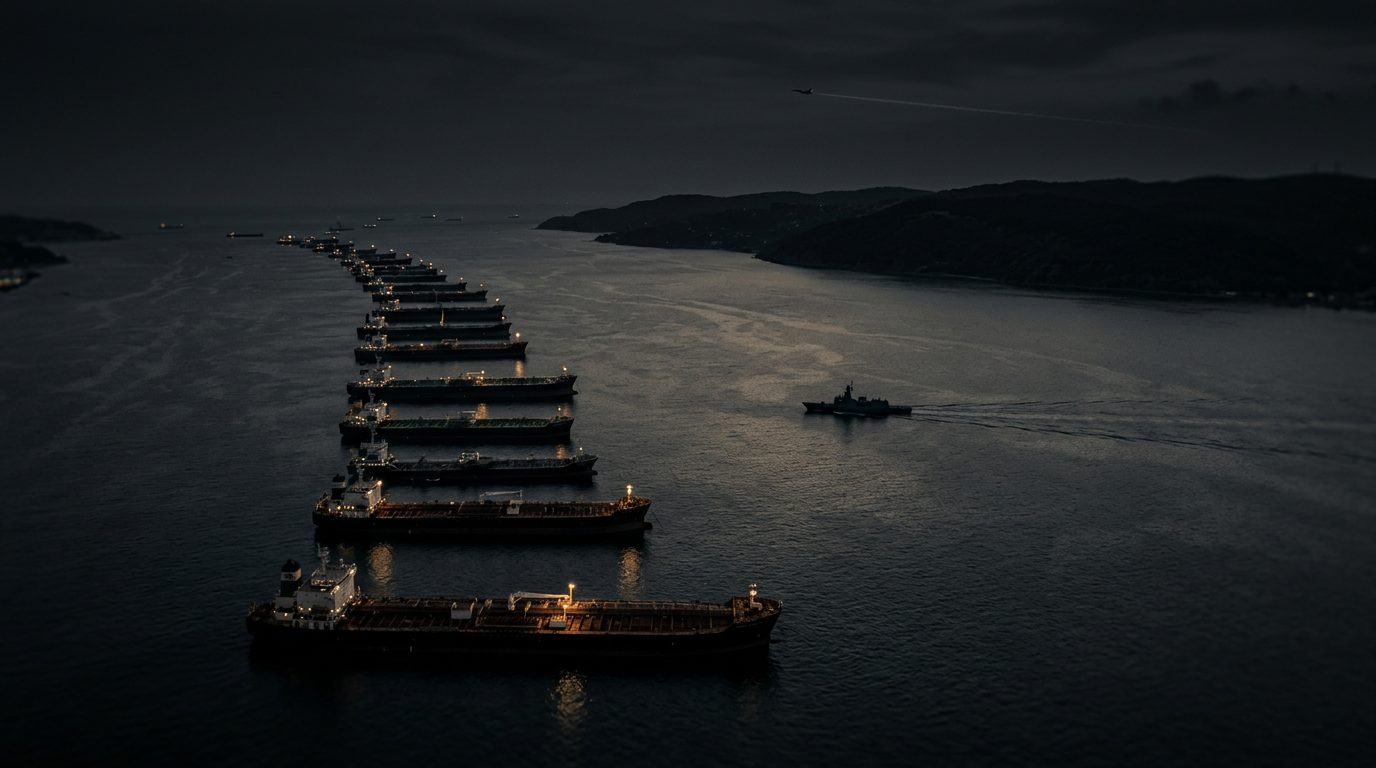
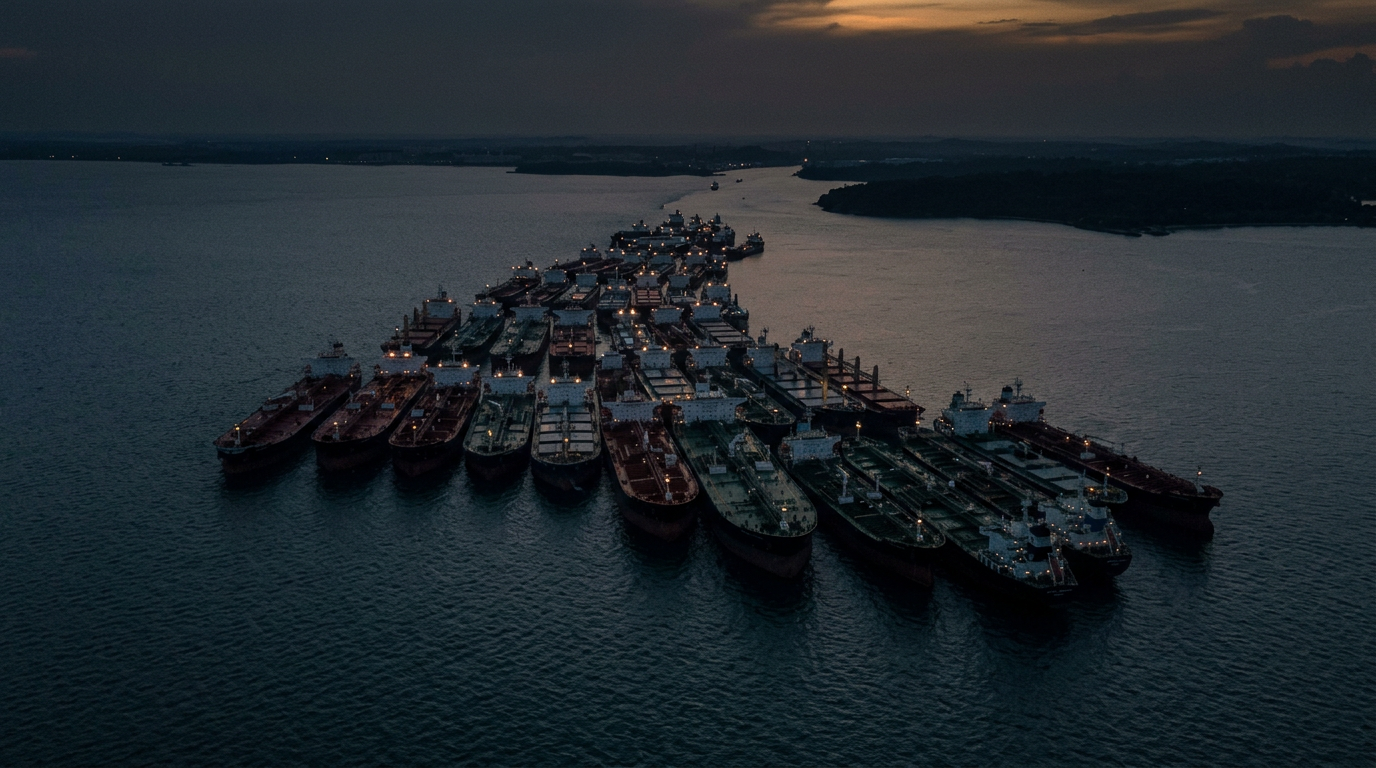
The Strait of Hormuz has been closed to compliant tanker traffic since Iran declared it shut on 12 July. A US naval blockade of Iranian ports is back on, nightly strikes continue, and Iran is answering across the Gulf. For anyone moving people or cargo through the region, both the sea lane and the airspace around it are hostile.
Listen
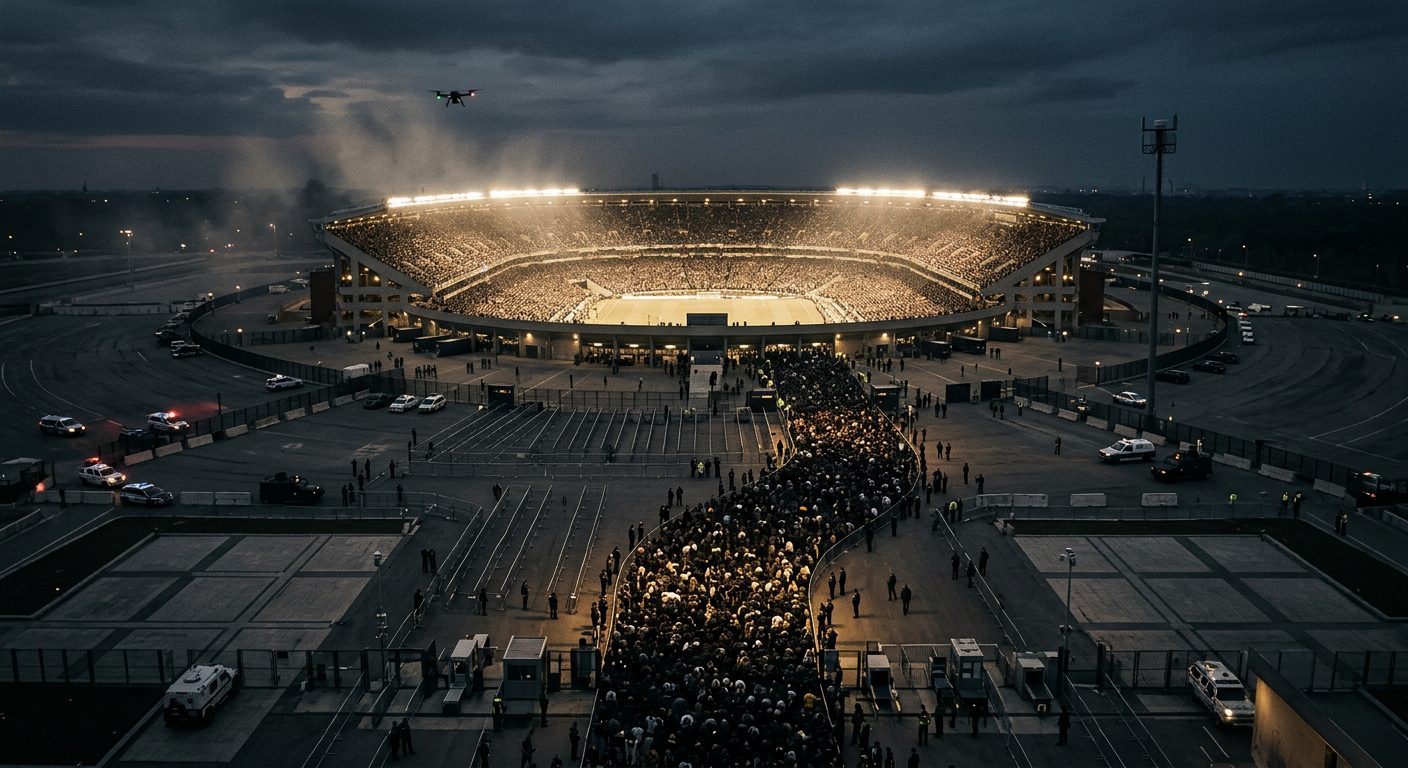
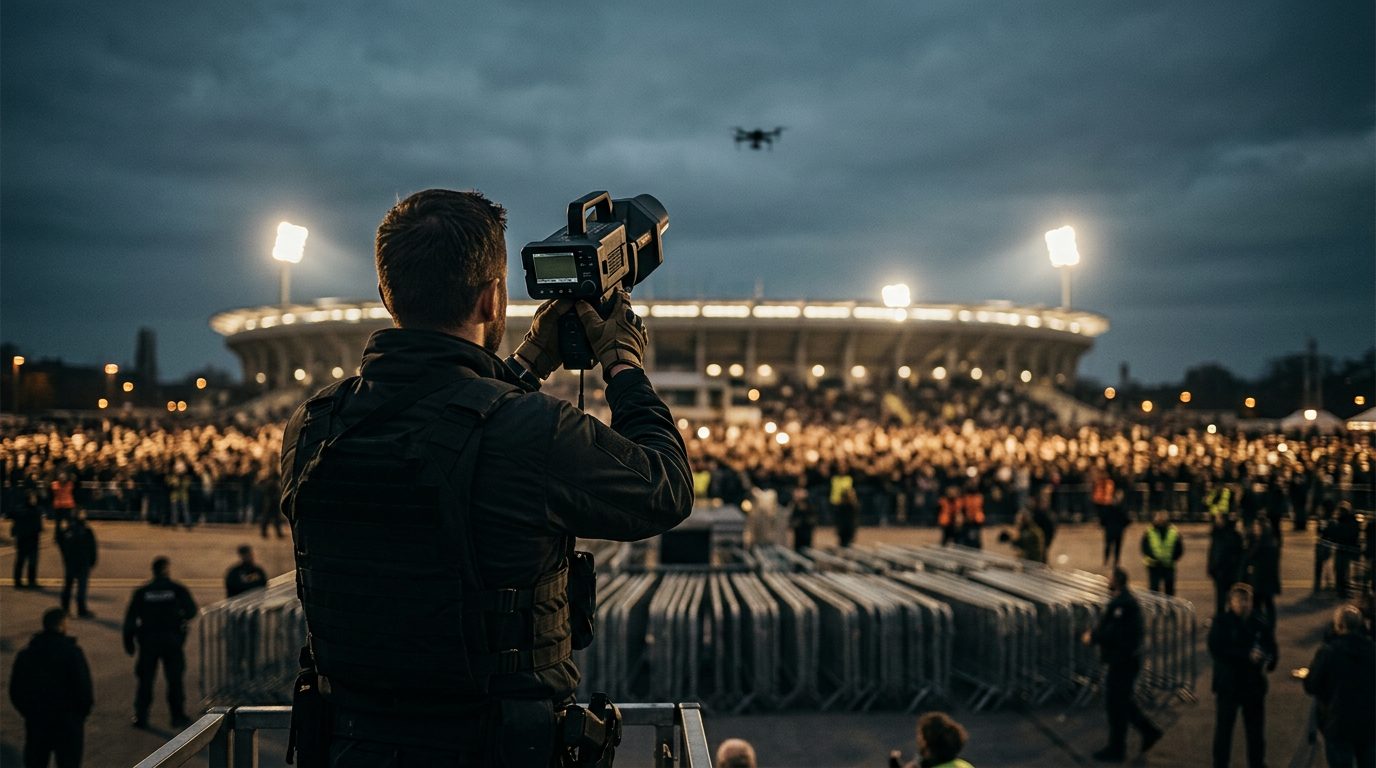
Spain beat Argentina in front of 80,000 under one of the largest US domestic security operations in years. No incident at the venue. The weak point sat in the coordination layer weeks earlier.
Listen
The strait is effectively closed to tracked tanker traffic, the US naval blockade is back on, and nightly strikes are now aimed squarely at Iran's ability to threaten shipping. For anyone moving people or cargo through the Gulf, both lanes are hostile.
Listen
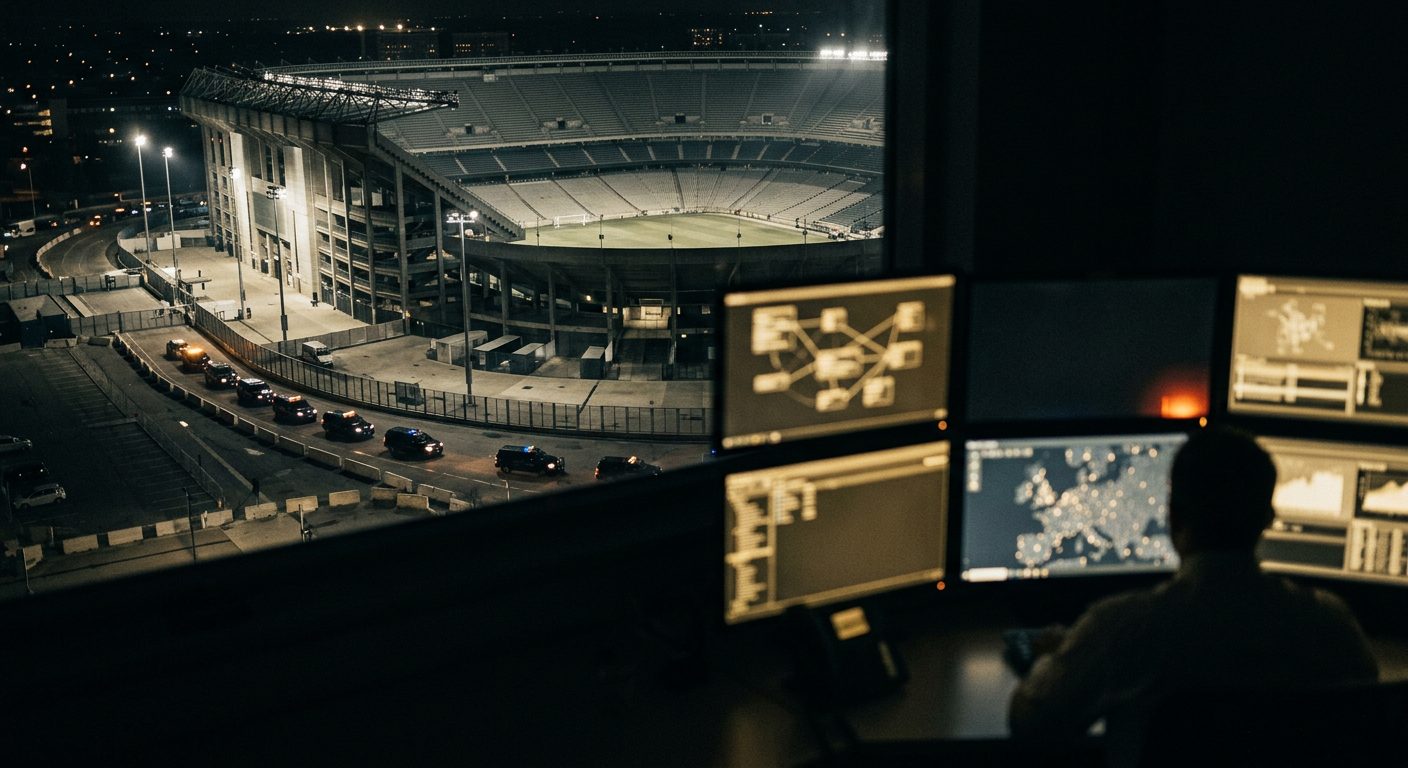
Sunday's final at MetLife carries a SEAR 1 designation, a heads-of-state guest list and a match-day no-drone zone. For anyone working near the perimeter, plan for hard access control and long lead times.
Listen
US and Iranian forces traded strikes into the weekend as the naval blockade of Iran's ports held and commercial transits stayed near zero. President Trump has called the ceasefire over, though his team is still talking.
Listen
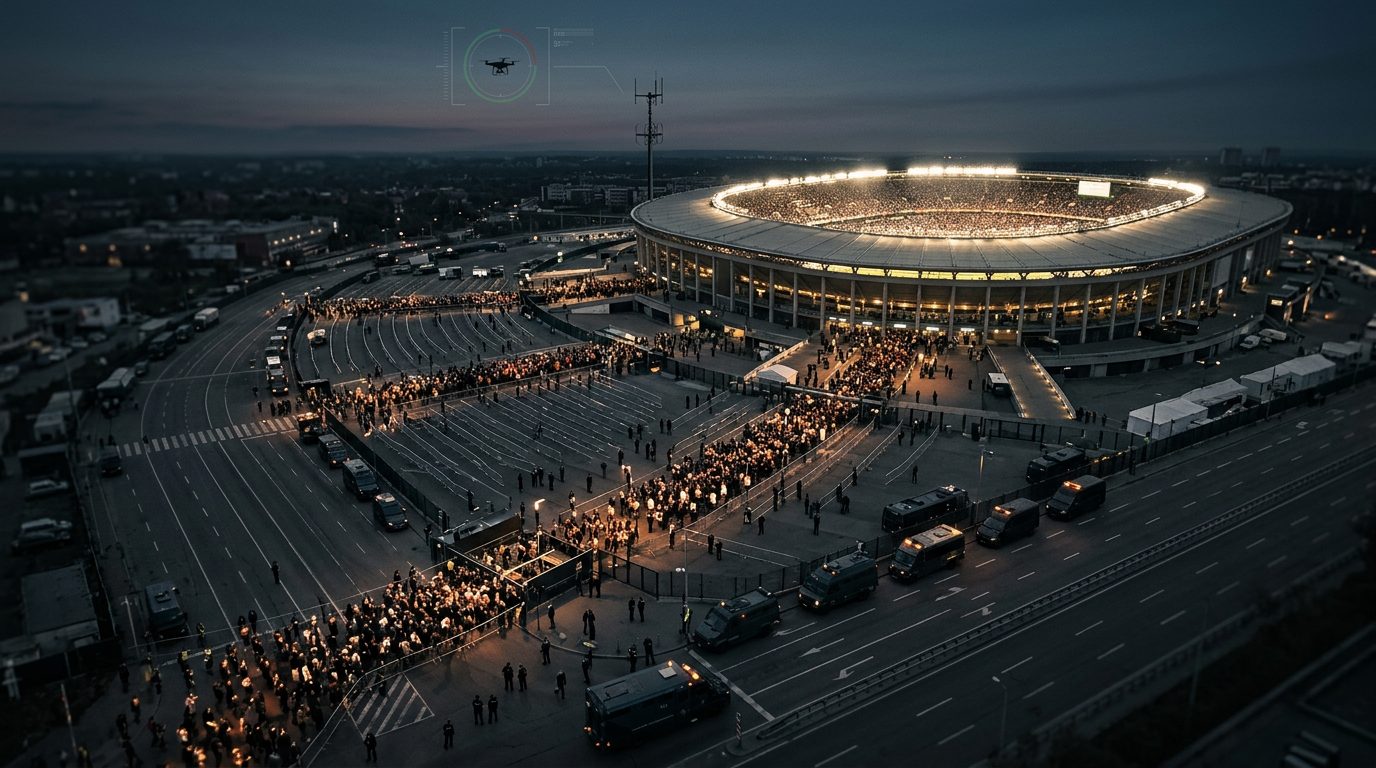
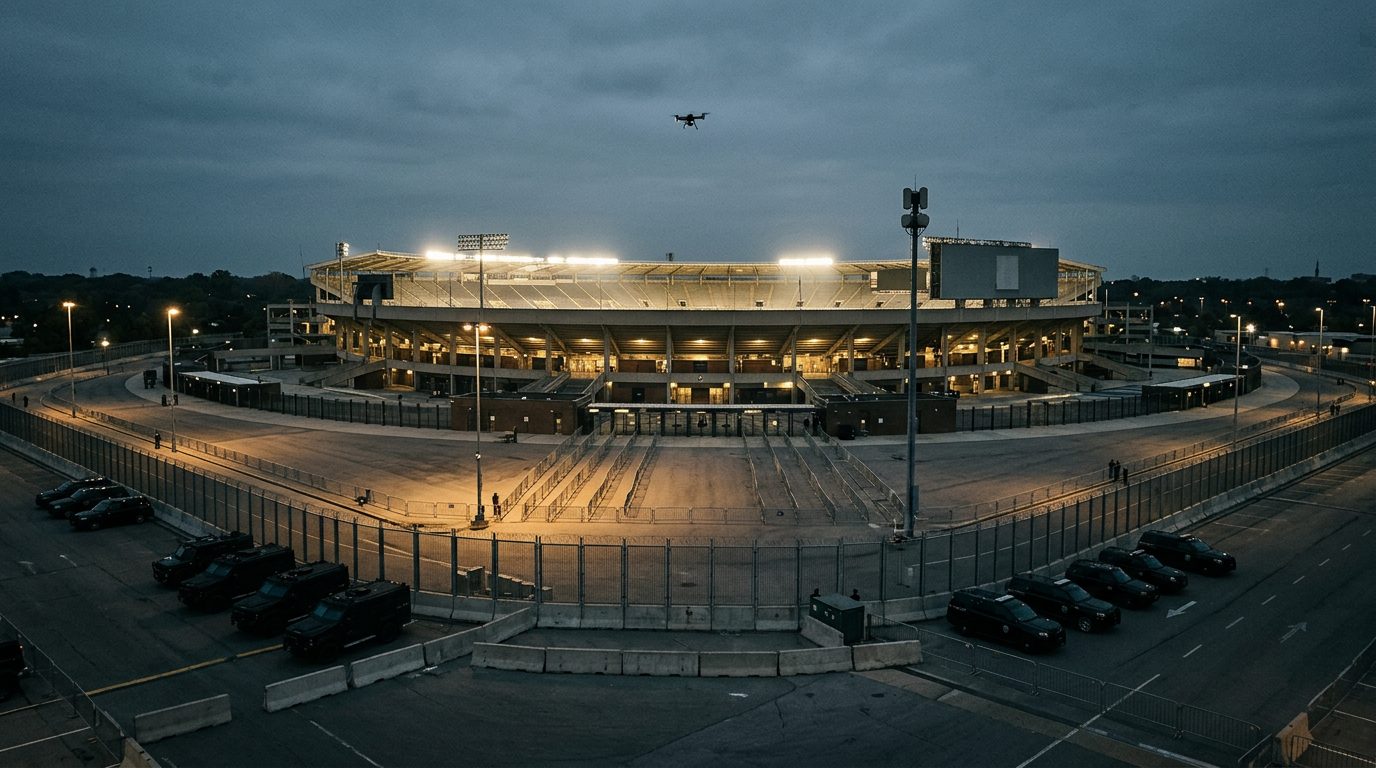
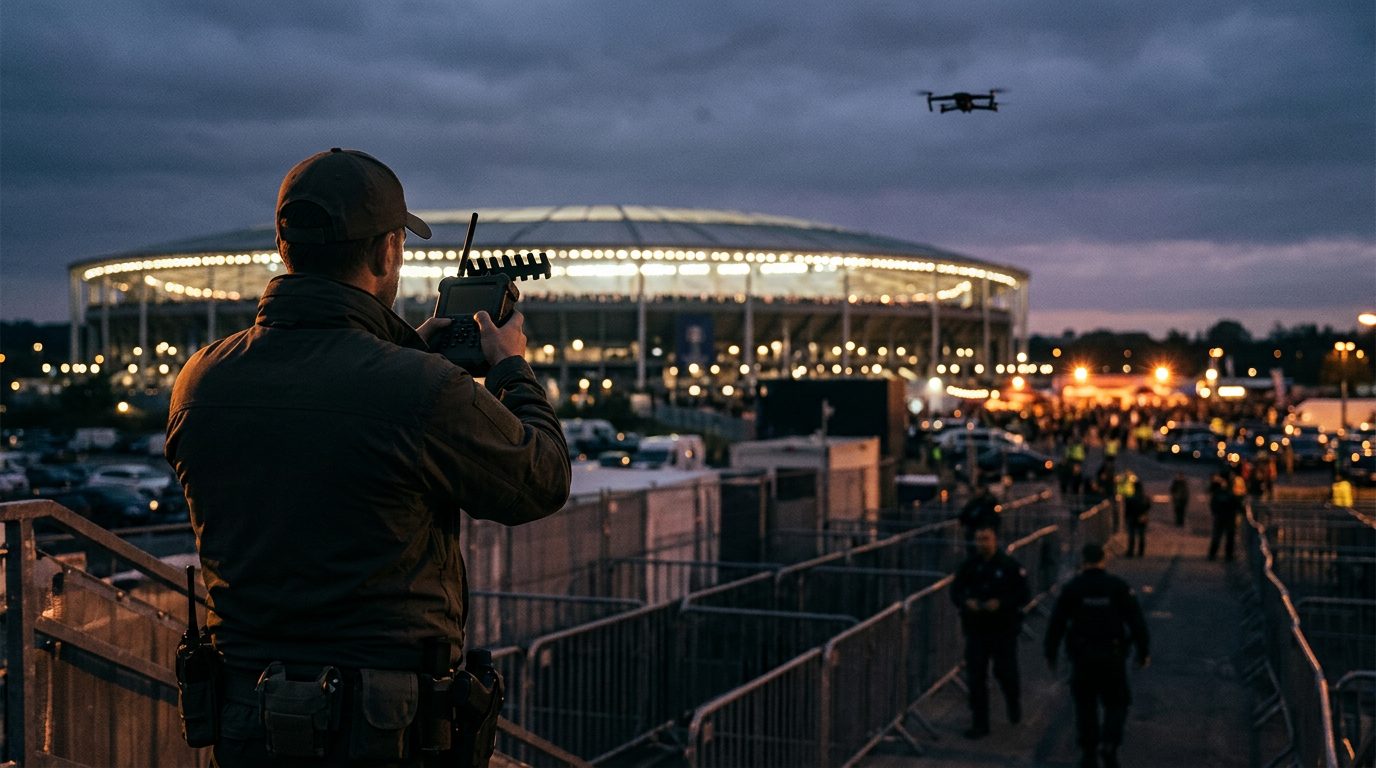
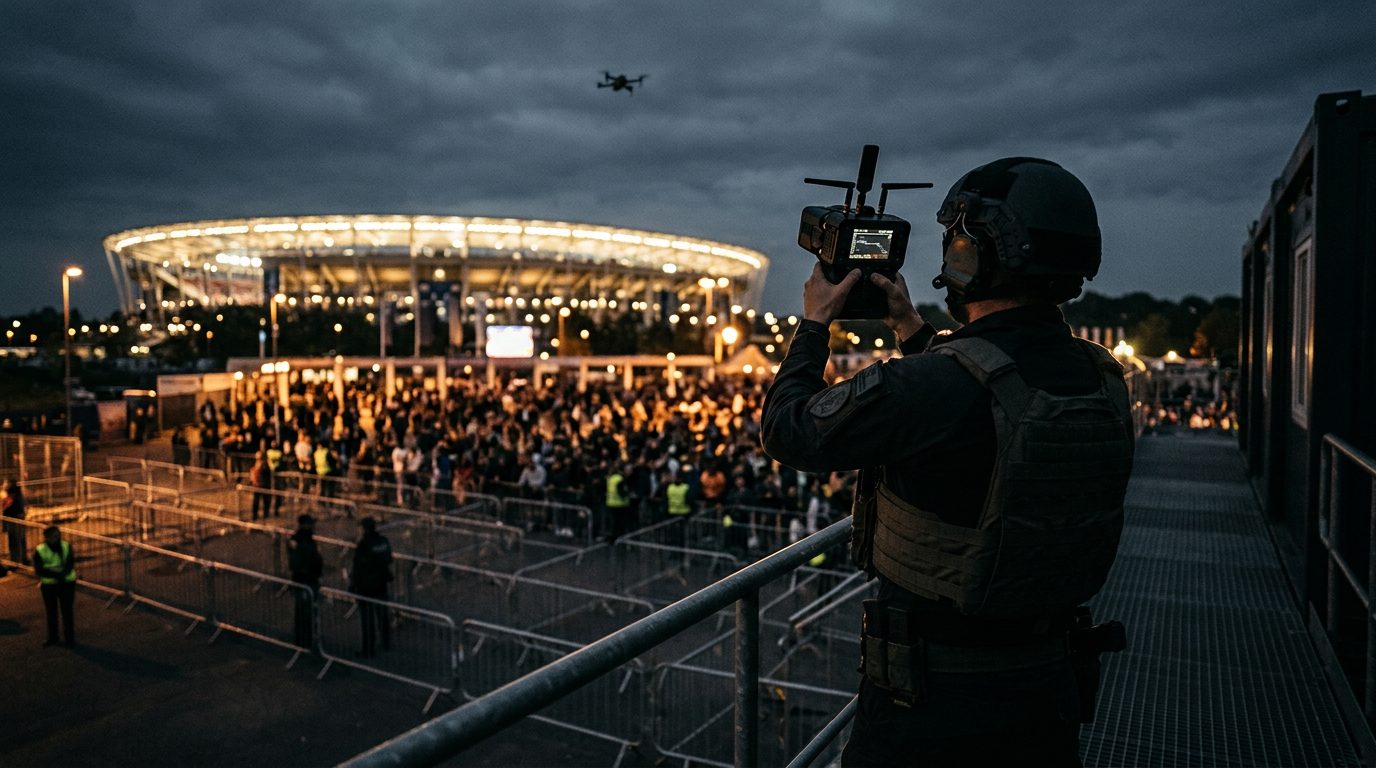
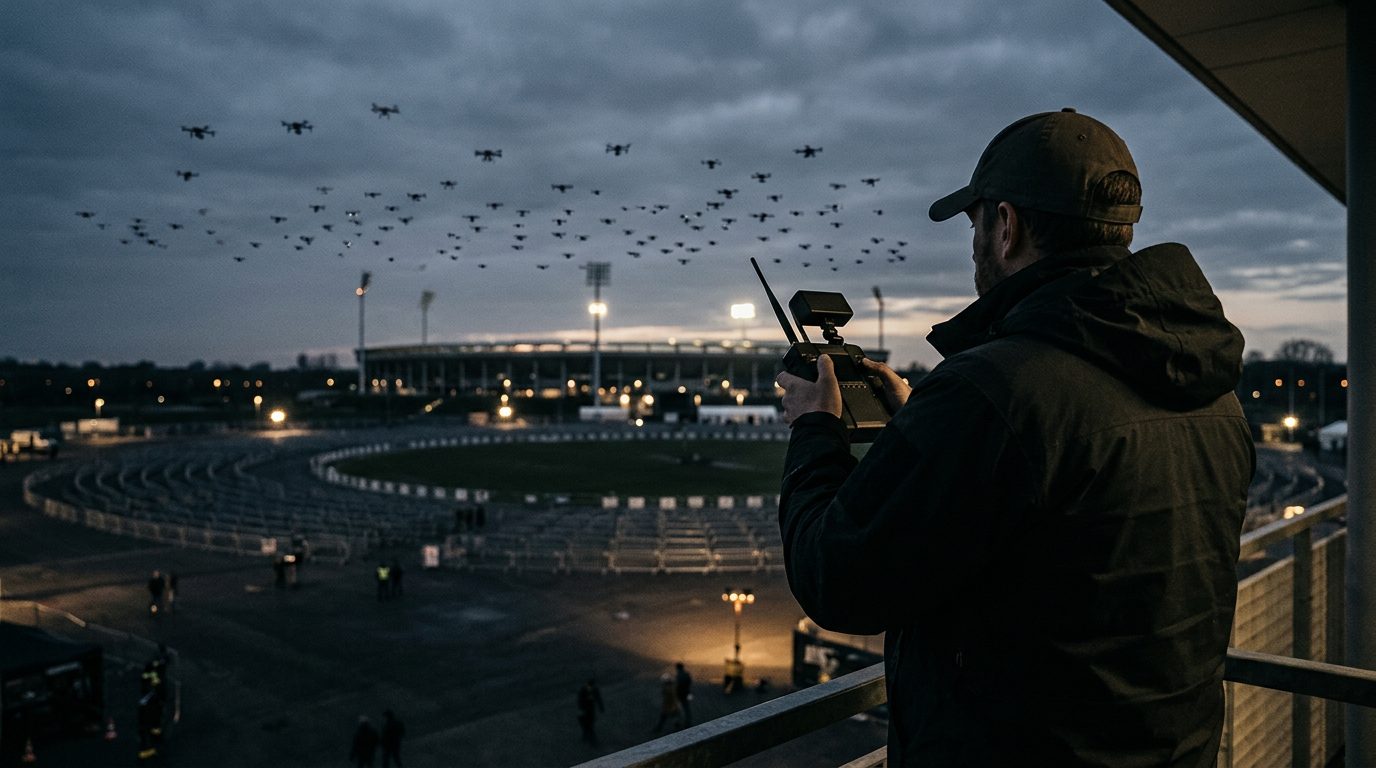
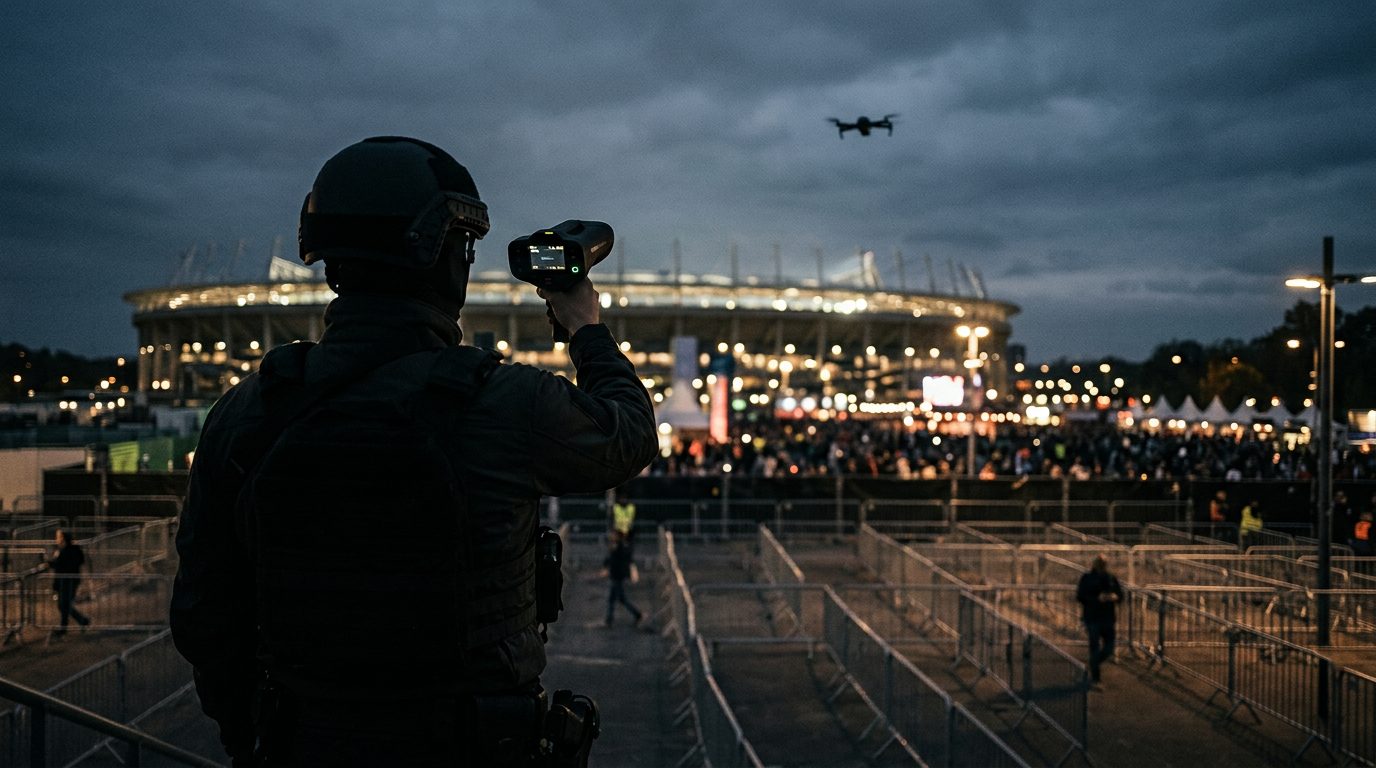
Sunday's final between Spain and Argentina at MetLife carries the highest tier of federal special-event security. A match-day no-drone zone runs to three nautical miles, with more than 600 drones already seized near tournament sites.
Listen
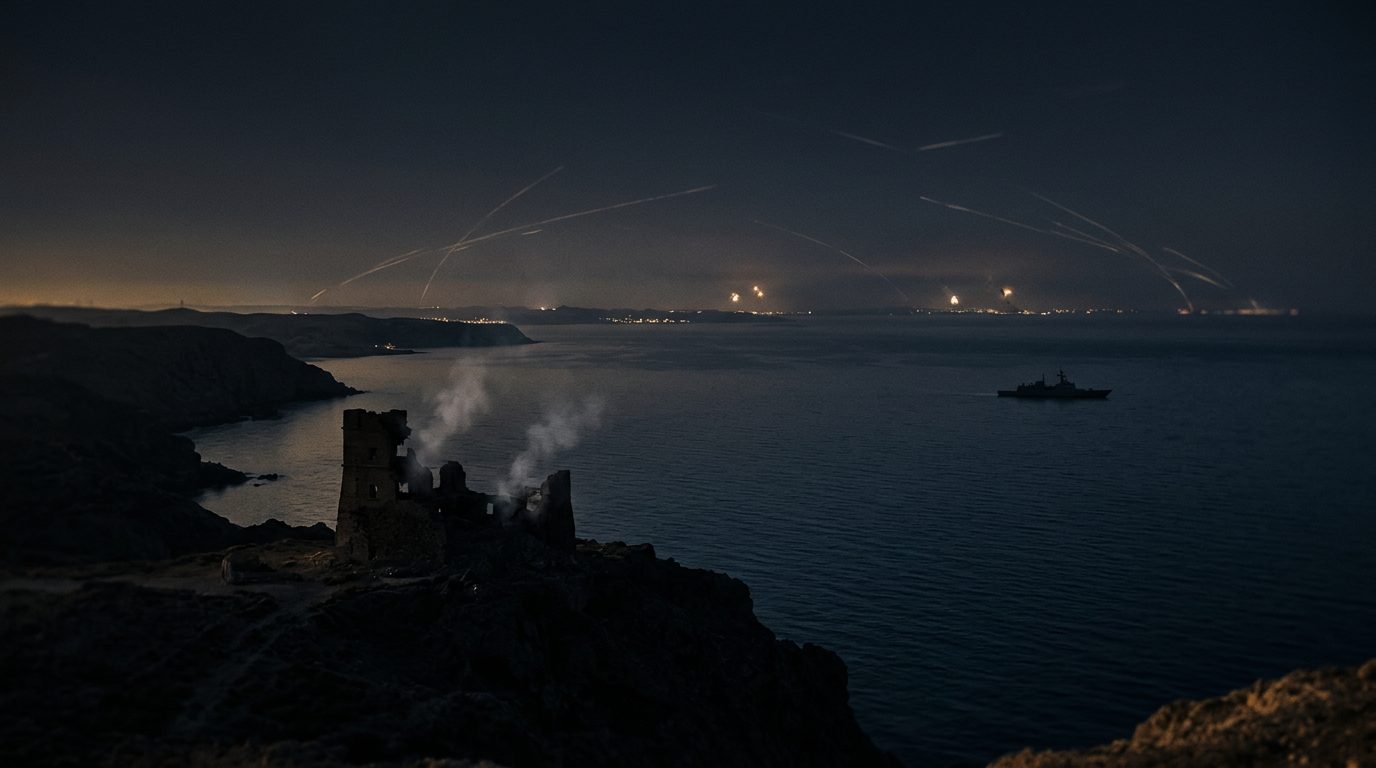
A sixth night of US strikes reached a maritime surveillance tower at Chabahar on Iran's Gulf of Oman coast. Iran answered by targeting US sites in six Arab countries, with interceptions reported over Qatar, Kuwait, Bahrain and Jordan.
Listen
Sunday's final at MetLife is a National Special Security Event β DHS's top classification, Secret Service in the lead. A no-drone zone rings the stadium, and federal agencies say they have seized more than 600 drones near World Cup sites.
Listen
US strikes hit rail, bridges and an airport around Bandar Abbas as Marines board a tanker to enforce the naval blockade. Iran's drones and missiles reached Qatar again. Commercial traffic through the strait has all but stopped.
Listen
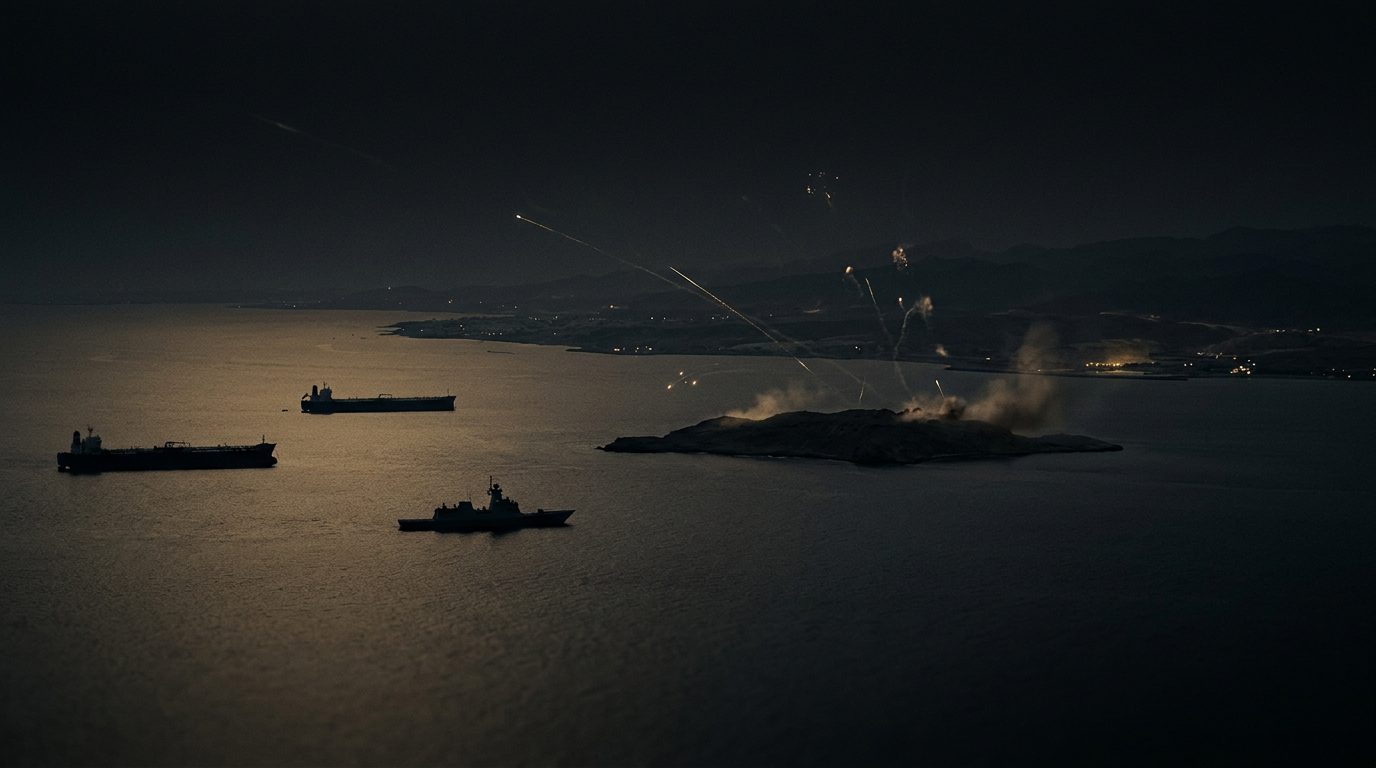
The US struck Iran's Greater Tunb island in a second wave on Wednesday and hit a barracks near Iranshahr, while the naval blockade of Iranian ports stays in force. Trump dropped his 20 per cent shipping fee, told Iran to make a deal "or you're not going to have anything left", and said strikes could expand to bridges and power plants next week.
Listen
As the Gulf burns, Yemen's Houthis have threatened to close the Bab el-Mandeb Strait if Saudi Arabia keeps striking Yemen. A senior official has floated an operational alliance to shut Bab el-Mandeb and Hormuz together. For shipping it raises the prospect of two of the world's key chokepoints closing at once.
Listen
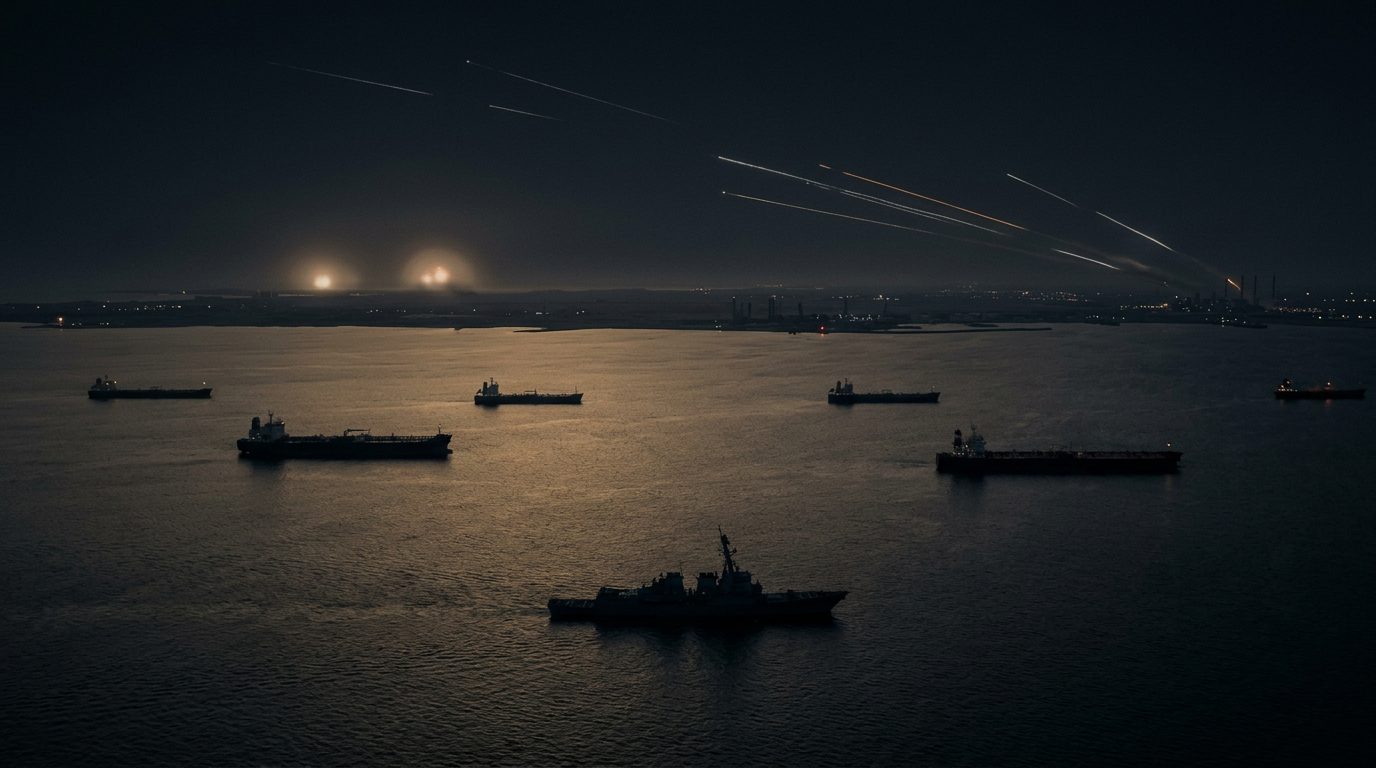
Washington's naval blockade of Iranian ports came back into force at first light on Wednesday, on the fourth day of US strikes. Iran answered with a barrage across the Gulf. Kuwait reports one ballistic and five cruise missiles plus 33 drones, a navy vessel hit and four sailors wounded; Bahrain sounded air raid sirens overnight.
Listen
With the final at MetLife on Sunday, TSA says federal and local teams have seized more than 600 unauthorised drones across the 11 US host cities. Airspace is the pressure point, and the penalties for flying near a stadium are steep.
Listen
Two UAE tankers were hit in Omani waters on Monday β one Indian crew member killed, eight hurt. The UAE blames Iranian missiles; Washington has declared the ceasefire over and moved to reinstate its blockade of Iranian shipping. The strait is now effectively a war zone.
Listen
The final is on 19 July at MetLife Stadium. More than 600 drones have been seized near World Cup sites since kick-off and the detected tally runs into four figures β but mitigation still sits with federal agencies and trained police, never private teams.
Listen
Muscat has drafted an IMO-backed plan to manage Strait of Hormuz traffic through navigation fees. Washington and its Gulf partners reject any deal that lets Tehran charge for passage. The strait stays all but shut, and around 6,000 seafarers are still trapped behind it.
Listen
The tournament reaches its climax with semifinals in Dallas on 14 July and Atlanta on 15 July, then the final in New Jersey on 19 July. Counter-drone enforcement has already logged more than 600 seizures across host cities β and the busiest days are still to come.
Listen
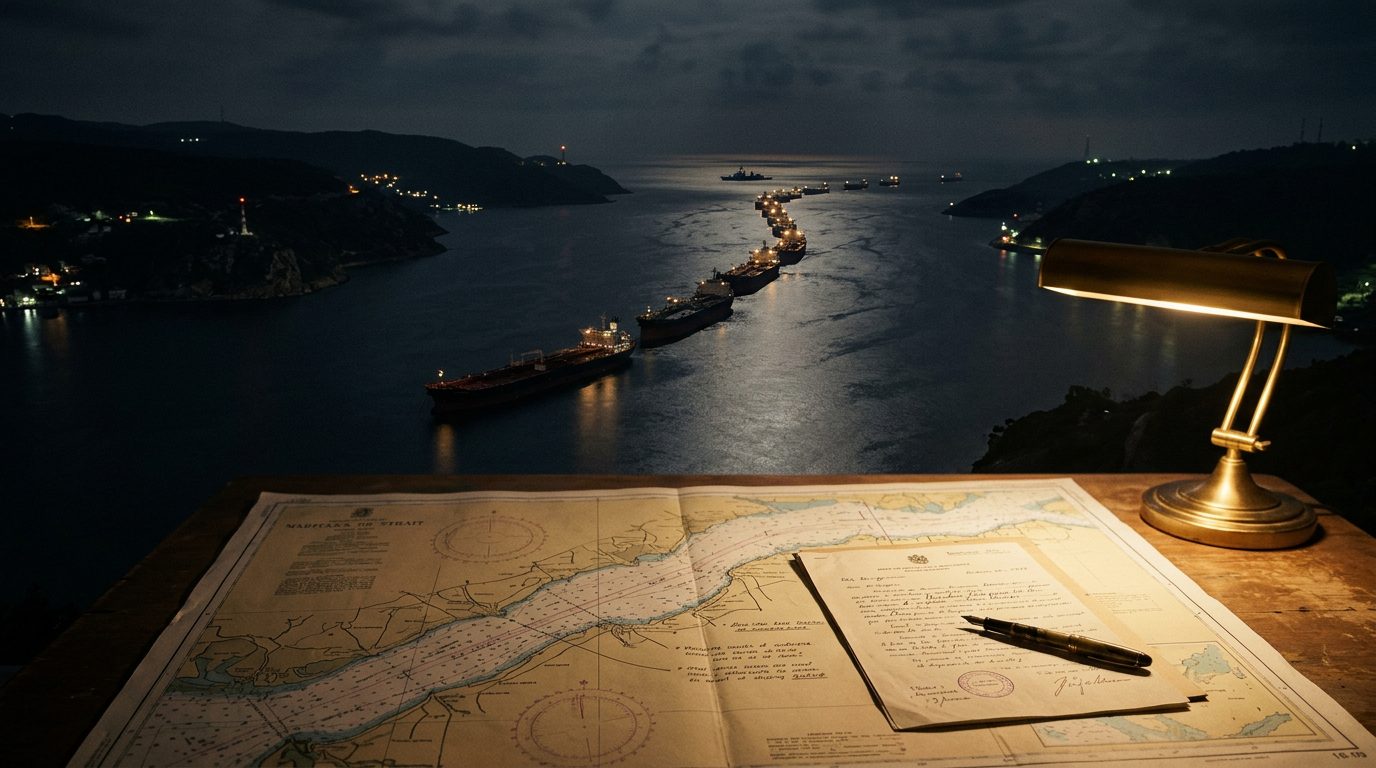
Traffic through the Strait of Hormuz has collapsed β about 14 vessels in a day, and roughly a fifth of normal flow since the June ceasefire β as Washington demands Iran publicly declare the waterway open and safe. The strait is closing by decision, not by mines.
Listen
The tournament is down to the last rounds, with semifinals in Dallas on 14 July and Atlanta on 15 July before the New Jersey final. The counter-drone problem has not gone away β over 600 seized and more than 1,100 detected. For anyone moving a principal near a host city, the friction is access, not the spectacular.
Listen
Trump has declared the US-Iran ceasefire over and wants Tehran to publicly guarantee safe passage through the Strait of Hormuz. Iran has denied seeking fresh talks and rejects outside powers setting the terms. Transit is thinning and the risk sits on a political trigger.
Listen
The tournament has narrowed to American venues for the quarter-finals through the final, concentrating the security load β and the drone problem the DHS chief admits he is 'struggling with every single day.'
Listen
Tracked crossings have all but ended, the US and Iran are trading strikes into a fourth day, and the diplomatic track is dead. This is no longer a lull to wait out β plan the Gulf as sustained conflict.
Listen
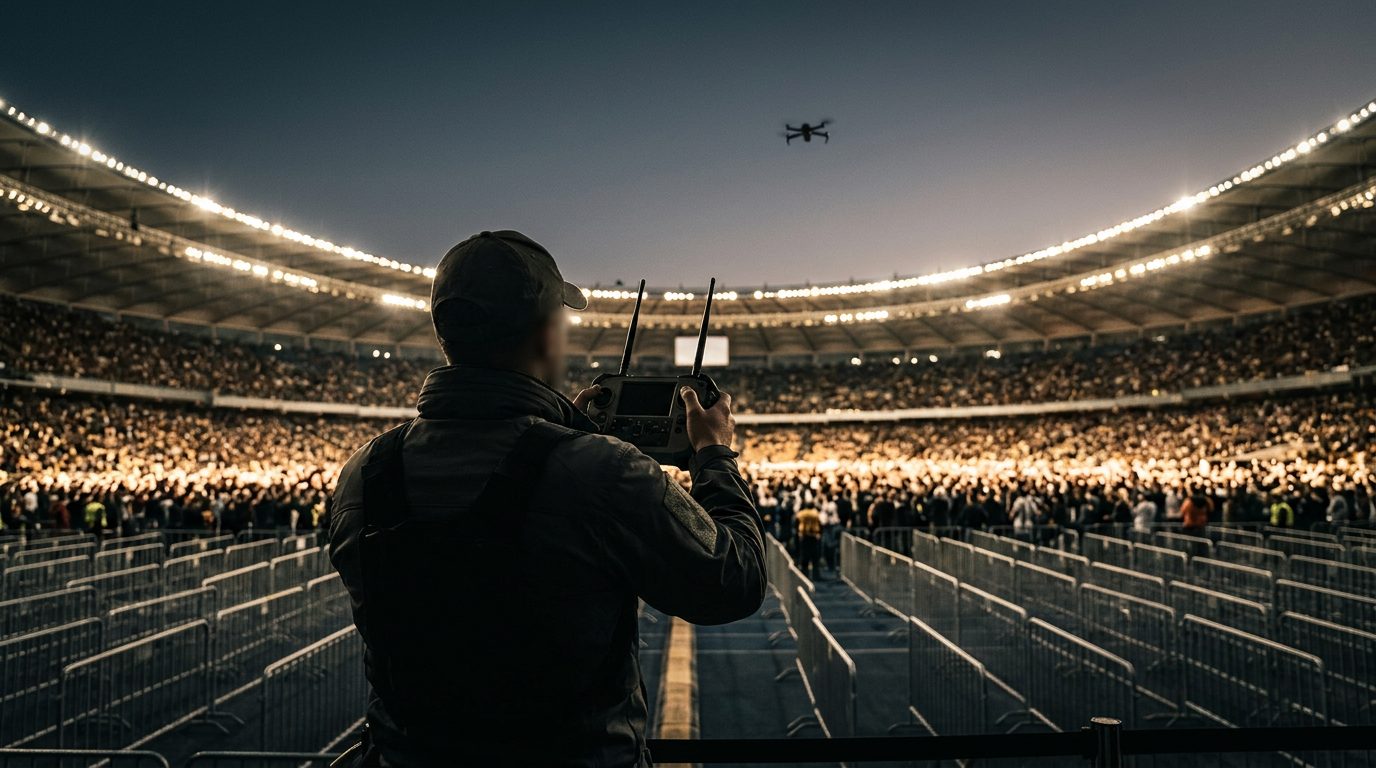
US agencies have now seized more than 600 drones near World Cup venues out of over 1,100 detected, nearly all hobbyist. A new interim rule widened who can mitigate β but private security is still detect-and-report only.
Listen
Three tankers were attacked in the Strait of Hormuz this week, US Central Command struck back at Iran, and Washington declared last month's interim deal over. The Gulf's decision week has resolved the wrong way β and Khamenei is buried in Mashhad today against that backdrop.
Listen
US agencies have detected more than 1,139 drones near World Cup sites and seized over 600, nearly all hobbyist. The mitigation authority is police-only β for private security the job is detect, report, integrate.
Listen
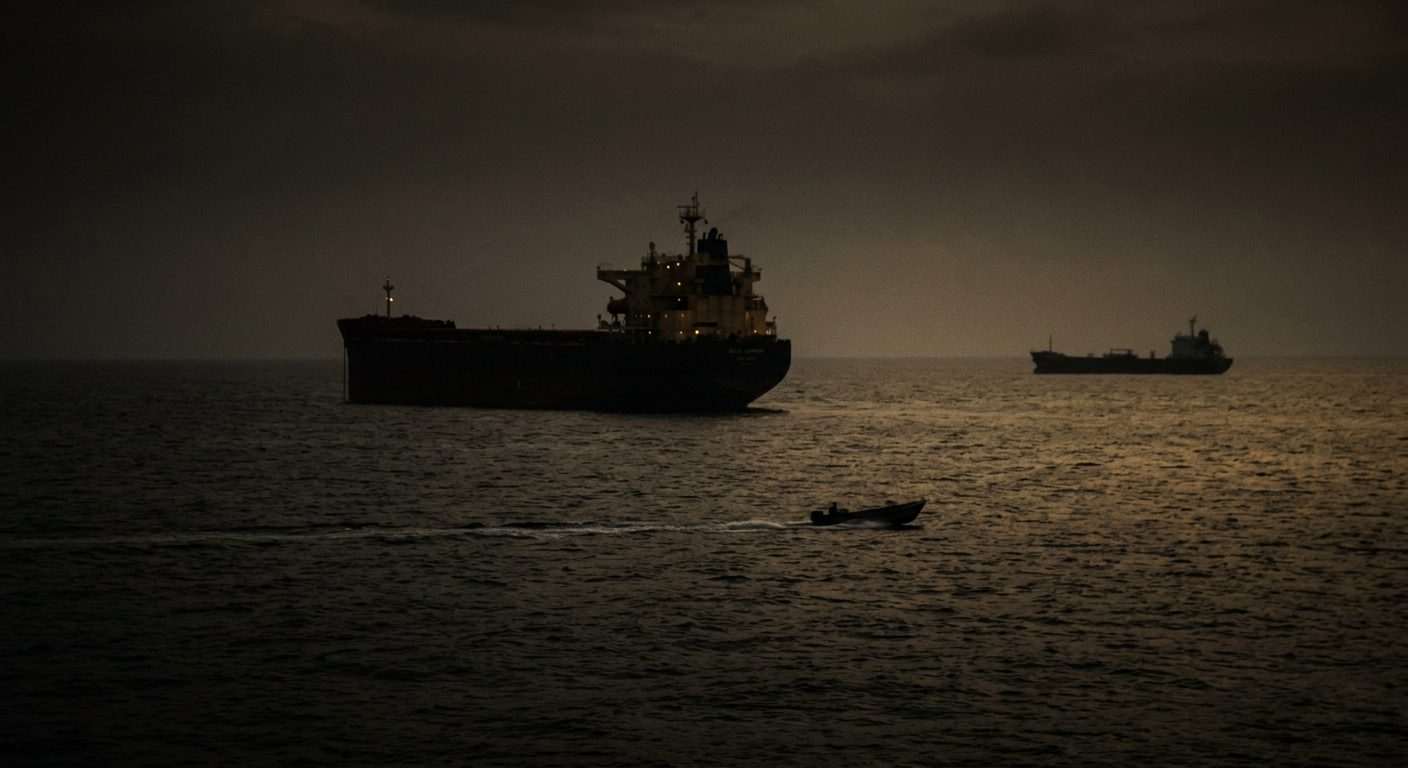
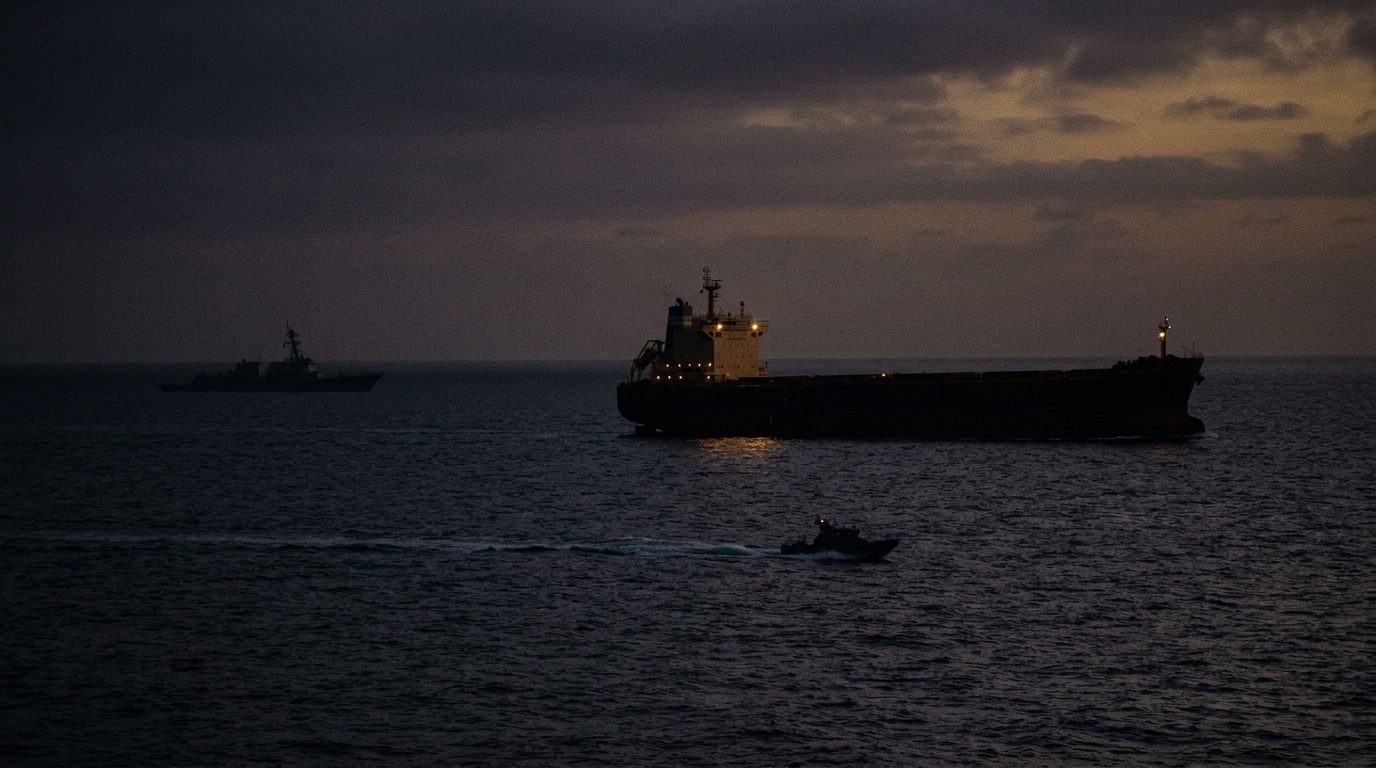
A bulk carrier was fired on off Hodeida at the weekend β unclaimed β as Houthi forces fought Yemeni troops on land. With the UN's monthly reporting mandate expiring on 15 July, the corridor is a live question again.
Listen
The cortege reaches Najaf and Karbala today and Mashhad for burial on Thursday, with the Doha talks paused until the mourning ends. For anyone moving in the Gulf, the diplomatic signal β and the Hormuz question β land in the back half of the week.
Listen
With the tournament running to 19 July, the counter-drone weak point is the fan zones, hotels and transport hubs outside the stadium's protected airspace β and DHS admits it is still catching up.
Listen
A bulk carrier was fired on off Hodeida at the weekend, ending months of calm, days before the Security Council decides whether to keep monitoring Houthi attacks. Treat the corridor as live.
Listen
The six-day state funeral moves to Qom today and to Mashhad for burial on Thursday, with US-Iran talks frozen until it ends. For anyone moving in the Gulf, the diplomatic window and the Hormuz question both hinge on the back half of this week.
Listen
The corridor's quiet broke over the weekend. An unclaimed skiff attack on a bulk carrier 30 nautical miles southwest of Hodeida, 16 government-aligned troops killed in ground fighting, and Houthi threats against Saudi airports, all inside 72 hours.
Listen
Hackers were inside the Homeland Security Information Network for weeks before the breach was publicly disclosed. The platform carries the threat intelligence and interagency coordination that event-security operations run on, and attribution is still open.
Listen
The largest crowds of the six-day funeral are expected on today's 10km procession through Tehran, with the city's airspace fully closed, the US-Iran track frozen until after Thursday's burial, and Hormuz traffic steady but not building.
Listen
Transits through the Strait of Hormuz have crept back to between thirty and seventy a day, with hundreds of ships still trapped in the Gulf. The practical brake on a full reopening is insurance: war-risk cover that runs to millions per transit.
Listen
Iran's week of state mourning closes Tehran airspace fully from Monday and pauses the indirect US-Iran talks until after the burial. For anyone with Gulf exposure it means a hardened regional posture and no de-escalation before next week.
Listen
The Houthis have not struck a commercial vessel all year, but the June threat still stands and the MARAD advisory holds. The Security Council's monthly reporting requirement runs out on 15 July, and a sharp Gulf escalation remains the most likely trigger for a return.
Listen
Indirect US-Iran talks in Qatar closed with βpositive progressβ and agreement to open a communication channel on the June ceasefire deal. In the same breath, Tehran told shipping to follow its designated Strait of Hormuz routes or face force. The next round waits on Khamenei's funeral.
Listen
Houthi attacks on shipping have not resumed since last autumn, and there have been none since the June ceasefire. The threat now hangs on the Gulf: a sharp escalation there is the most likely trigger for Bab-el-Mandeb reopening as a second front.
Listen
Iran's IRGC hit the US Ali Al Salem airbase in Kuwait and the Fifth Fleet's base in Bahrain on 28 June, retaliating for US strikes on southern Iran. Tehran skipped Sunday's talks. For anyone running principals in the Gulf, the war is no longer offshore.
Listen
A drone struck the crude tanker Kiku in the Strait of Hormuz on 27 June, days after the container ship Ever Lovely was hit in the same waters. Two nights of US strikes followed. The 17 June US-Iran understanding is at breaking point and the Gulf is contested again.
Listen
A 24-year dataset shows kidnap-for-ransom in the Sahel has shifted from Western hostages to a routinised local kidnap economy, with abductions up around twenty-fold since 2017. Western travellers are not the main target, but they use the same roads.
Listen
A June 'Month of Action' against City of London financial institutions, layered on a month of public disorder, leaves protective-security teams planning for a sustained public-order picture rather than a single event.
Listen
Open-source analysis logs 424 attacks on senior executives since 2003, with 2025 the worst year on record. The target set is widening beyond the corner office, and residences and commutes are in scope.
Listen
Drone incidents near critical infrastructure quadrupled from 2024 to 2025, and airports still can't reliably detect or lawfully stop them. Contested airspace now sits on the threat map for any movement, venue or critical-site task.
Listen
Every US match and fan fest now has counter-drone cover, with 300-plus drones already seized. For operators the airspace is locked; the variable is ground-level public order.
Listen
The 17 June de-escalation has reversed. With ships hit, US and Iranian strikes exchanged and a still-mined central channel, Gulf transits are back in the danger zone.
Listen
Two fixtures today, and the same three threads as every match: unauthorised drones over the perimeter, a hardening counter-drone posture, and immigration-enforcement protest as the public-order wildcard.
Listen
A gunman killed a police officer and a civilian in CΓ΄te-des-Neiges on Monday before being killed himself. On early reporting the target was the police; the setting β a heavily Jewish neighbourhood, with a Jewish resident among the dead β is the part operators read.
Listen
Hull war premiums for a Gulf transit have re-rated to around 4% of vessel value β open-source analysis puts that at thousands of times pre-crisis levels β and underwriters, not governments, set the pace of any reopening. With Iran offering free state-backed cover and the IRGC warning ships off in the same week, the insurance signal is where to read the real risk.
Listen
The strait has been declared reopened, but the commercial reality is a months-long unwind. War-risk premiums have jumped to several per cent of vessel value, a large backlog of ships is still waiting, and analysts put full normalisation at up to a year. For teams supporting maritime, energy or expat-movement clients in the Gulf, the risk did not end with the announcement.
Listen
EASA's current conflict-zone bulletin for the Middle East and Gulf, valid to 24 June (validity extended on 10 June), still directs operators not to fly Iran, Iraq and Lebanon at any level, and to treat the wider region with caution. The political announcement and the formal air-risk machinery are not yet aligned.
Listen
Commercial transits through the strait remain critically suppressed. The corridor that is moving runs through Omani waters with AIS off and radio silence. The maritime threat board has eased a notch, but the operating reality has not yet caught up to the political news.
Listen
Violent home invasions to seize crypto keys are climbing fast, with France the worst-hit. The exposure is the home, the family and predictable routine, not the wallet.
Listen
JNIM and rivals increasingly abduct Sahelian civilians rather than expatriates, and the motive has shifted from ransom to control. For expat staff on remote sites, a lower headline count is not a lower risk.
Listen
A Hormuz reopening and a Lebanon ceasefire should reduce disruption across the region. For advance planning this week, treat the ceasefire as provisional and keep GNSS-degradation contingencies in place.
Listen
Sunday's escalation raises the odds of airspace closures, GNSS interference and short-notice movement restrictions across the eastern Mediterranean. The planning factor for principals in the region just moved.
Listen
Open-source reporting shows JNIM and rival groups increasingly abduct Sahelian civilians rather than expatriates, yet high-value foreign cases persist. The motive map is changing, and so should the threat model.
Listen
CENTCOM intercepted multiple one-way attack drones aimed at shipping. The Gulf transit corridor remains an active combat zone, not a routine leg.
Listen
France now accounts for roughly 40% of Europe's crypto-linked abductions β one case every two and a half days in 2026. For protection teams, digital wealth has become a physical targeting factor.
Listen
Open-source analysis from the Security Executive Council shows incidents against corporate leaders doubled in 2025, with attacks spreading well beyond the top seat. Protective teams should be re-scoping principal lists now.
Listen
Permitted assemblies across three city centres this weekend, with the usual knock-ons for movement and timings.
Listen
A consolidated read of open-source reporting points to shifting ground conditions for protective teams operating in transit corridors β what the signals are, and what they mean for advance work.
Listen