The FCDO published a full review of its Cuba travel advice on Friday 25 September, with what it calls "changes made throughout", covering protests, power outages, fuel and water shortages, travel disruption and international card payments. The headline position stands: the FCDO advises against all but essential travel to Cuba.
The reason is set out in one line. "Cuba is experiencing a worsening economic situation with shortages of fuel, electricity, water and basic necessities." The FCDO says this has led to frequent protests, which have mostly stayed peaceful, but "protests can escalate."
The power picture is blunt. "The Cuban National Electric grid has collapsed a number of times over the last few months. Given current circumstances, further grid collapses are likely." The FCDO says low fuel reserves are causing severe and sustained disruption to transport, medical care, communications, water supply and street lighting, and that the authorities have brought in fuel rationing.
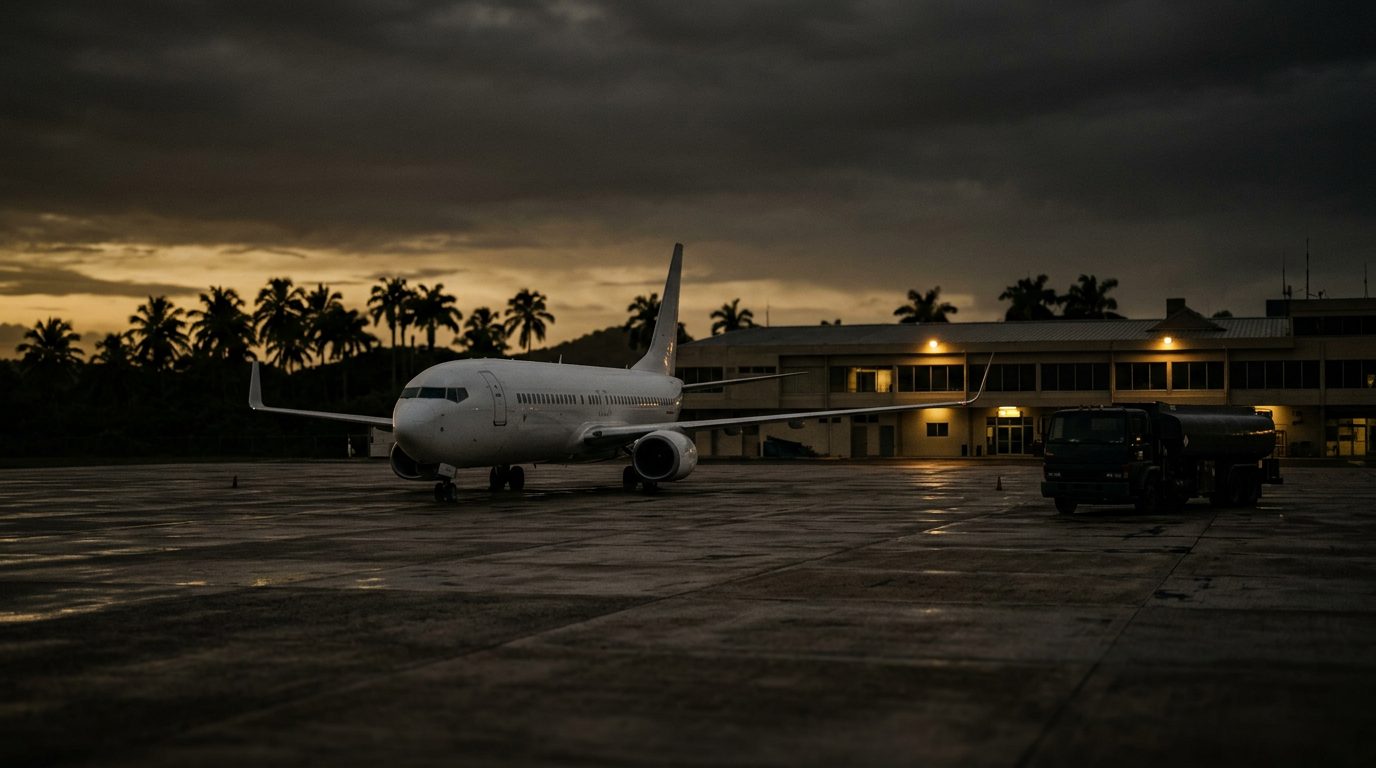
Getting out is the part that matters most for anyone with people there. The FCDO reports that the Cuban authorities have announced that all of the country's international airports are without aviation fuel, and that "Only Terminal 3 at José Martí International Airport is currently in operation." It names airlines that have suspended flights, including all Canadian airlines, Air France, Iberia, World2Fly and LATAM, and warns: "Options for leaving the country could reduce further if the situation worsens."
Money is the other constraint. According to the FCDO, the Cuban Central Bank has announced that international cards such as Visa and Mastercard are no longer accepted, and you cannot withdraw cash from ATMs with them. The advice is to bring enough cash for the whole stay plus an emergency, in US dollars or euros, and to exchange it only at official Cadeca exchange houses, because exchanging anywhere else can lead to a fine or a prison sentence.
On crime, the FCDO says levels are generally lower than in the UK but opportunistic crime is rising. It reports muggings in Havana, burglaries, regular siphoning of fuel from parked vehicles, and attacks on foreigners in hire cars after deliberate puncturing of tyres. It also notes that internet access can be blocked at times of political tension.
For teams supporting anyone in Cuba, four things follow.
Make the essential-travel case in writing before any movement, and check what your insurer requires under an all but essential advisory.
Plan the exit first. With one terminal operating, airlines suspending routes and the FCDO saying the situation "has the potential to deteriorate quickly and without warning", confirm the return flight before the outbound, hold valid onward visas and have a second route in mind.
Carry the cash and guard it. A card-free country turns every principal into a cash carrier, so plan how it is split, stored and moved.
Assume the lights and the network can go. Keep phones and power banks charged, pre-arrange transport, avoid driving at night, and if a hire car picks up a puncture in a remote area, the FCDO's advice is to drive on to the nearest town before stopping.