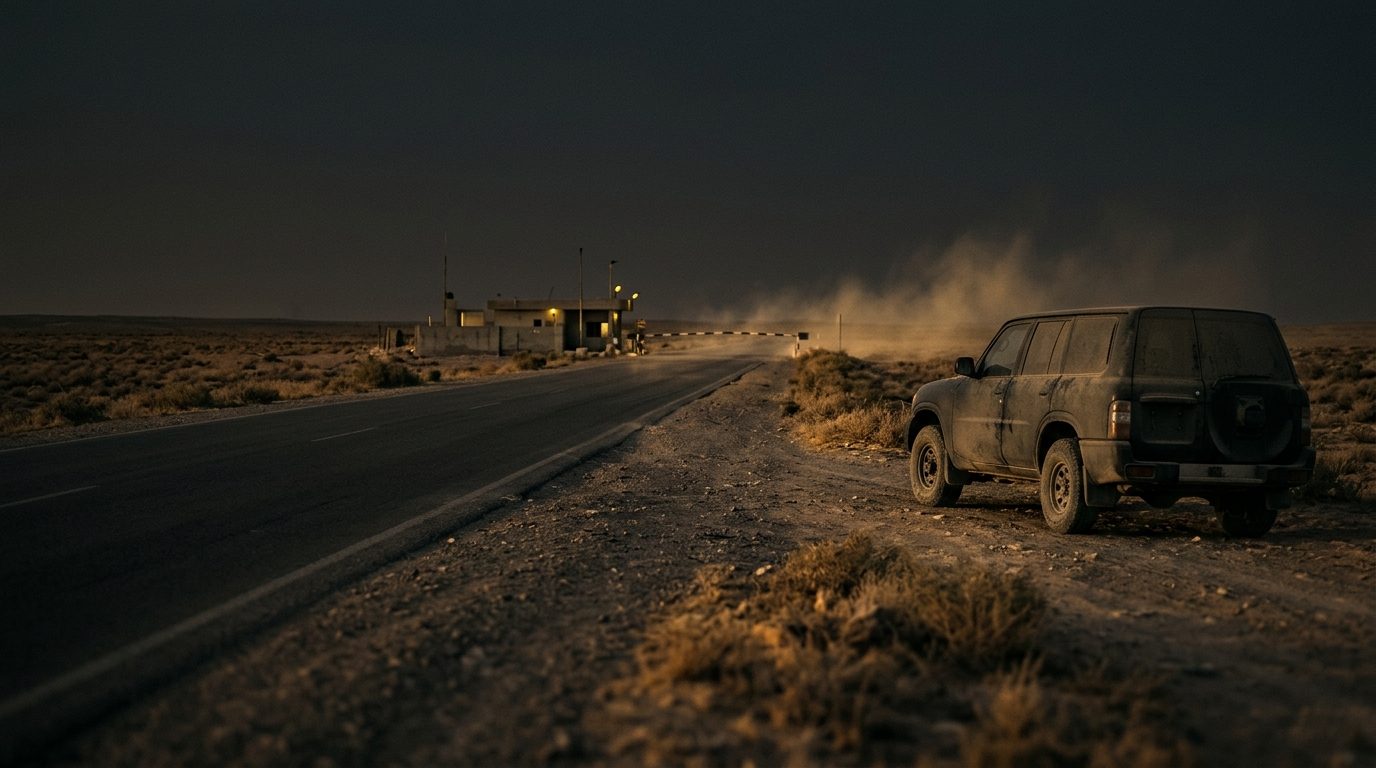
The FCDO changed its travel advice for both sides of the Kenya and Ethiopia border at Moyale on Friday 30 October. The Kenya page now says: "Violence in the Ethiopian town of Moyale (October 2026) has affected the border area." Later the same day, the Ethiopia page revised the area near the Kenyan border where it advises against all travel.
The Kenya page
The Regional risks page says: "There have been reports of stray gunfire on the Kenyan side of the border and disruption at the Moyale border crossing." It goes on: "Vehicles crossing the Kenya-Ethiopia border at Moyale should stay on the A2 road and travel directly to Marsabit before breaking your journey, rather than staying at the rest house in Sololo." It also now tells travellers to check the FCDO's Ethiopia advice before crossing.
A Web Archive capture of the same page from 12 October carried different wording. It warned of attacks using landmines around Moyale, close to the main A2 road south, and gave similar advice to stay on the A2 and not to stay at the rest house in Sololo. The current text does not mention landmines.
The Ethiopia page
The FCDO's change note for 30 October reads: "Update on areas that the FCDO advise against all travel to within 10km of the border with Kenya (Warnings and Insurance page)". The border list on that page now advises against all travel to within 10km of the Kenyan border, except the Addis Ababa to Moyale road and Moyale itself, where the FCDO advises against all but essential travel. In a Web Archive capture of the page from 27 September, the same line excepted "principal roads and towns".
The Ethiopia Regional risks page, last changed on 26 October, says: "There have been reports of armed clashes between regional security forces from Oromia and Somali regions in the area of the border between the two regions, including in Moyale town in October 2026."
What is not in the record
The FCDO gives no casualty figures, no dates for specific incidents beyond October, and does not say the Moyale crossing is closed. Its own pages are not yet uniform: the Oromia section of the Ethiopia Warnings page and the Ethiopia Regional risks page still list the 10km Kenya border area with the older exception for principal roads and towns. The Kenya page dropping the landmine sentence is a change of wording; the FCDO does not say the landmine risk has gone. The UN's briefing of 30 October does not mention Moyale.
What it means for operators
These are Ops Con planning points, not FCDO guidance.
Moyale is where the A2 road crosses between Kenya and Ethiopia, so any team moving overland on that route passes through it. On the Ethiopian side, the advice for the town and the Addis Ababa road is now all but essential travel, which is likely to matter for insurance cover and for a client's duty of care sign-off. On the Kenyan side, plan the run from the border to Marsabit as a single leg, as the FCDO advises, time it for daylight, and set fuel, vehicle checks and a check-in routine before the crossing. Allow for delays at the crossing itself, and have a fallback plan in case it closes at short notice. Re-read both country pages before each movement, because they changed on the same day and may change again.