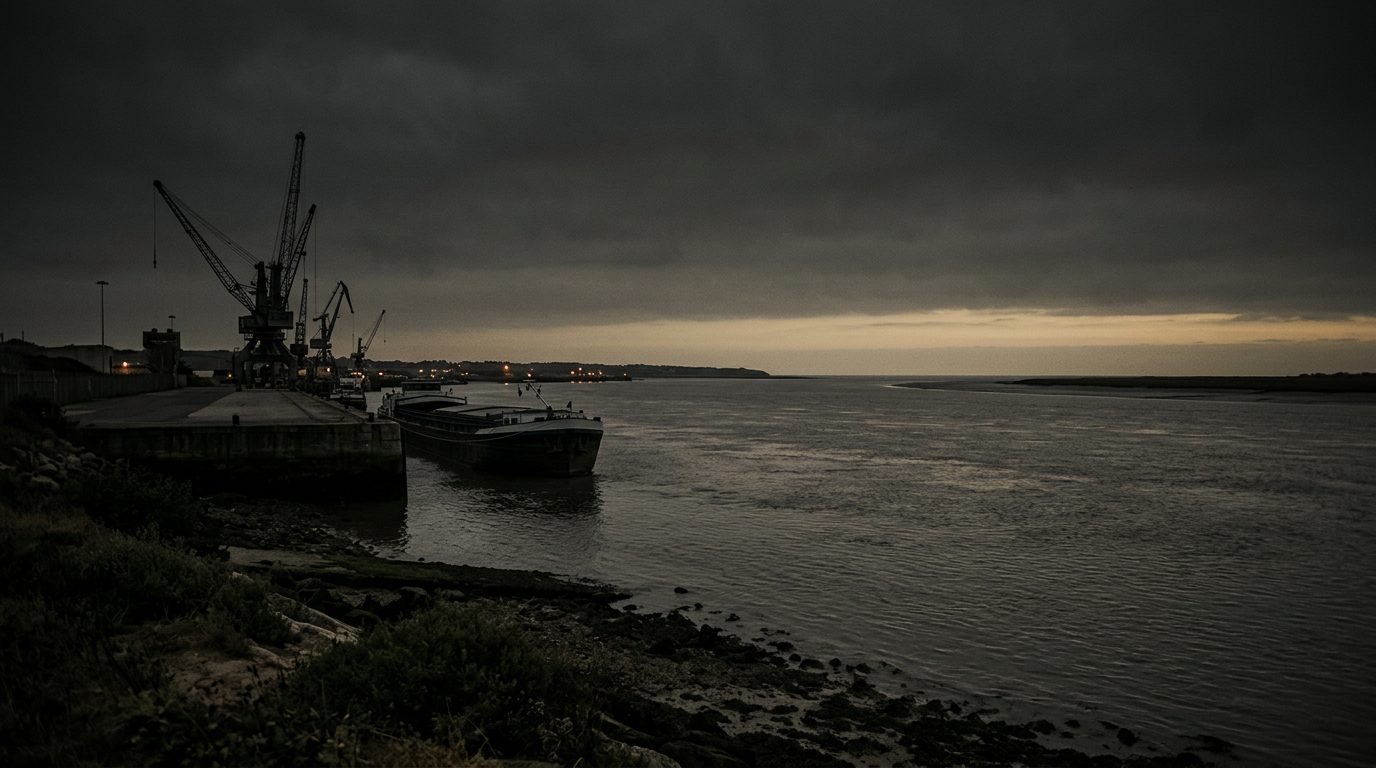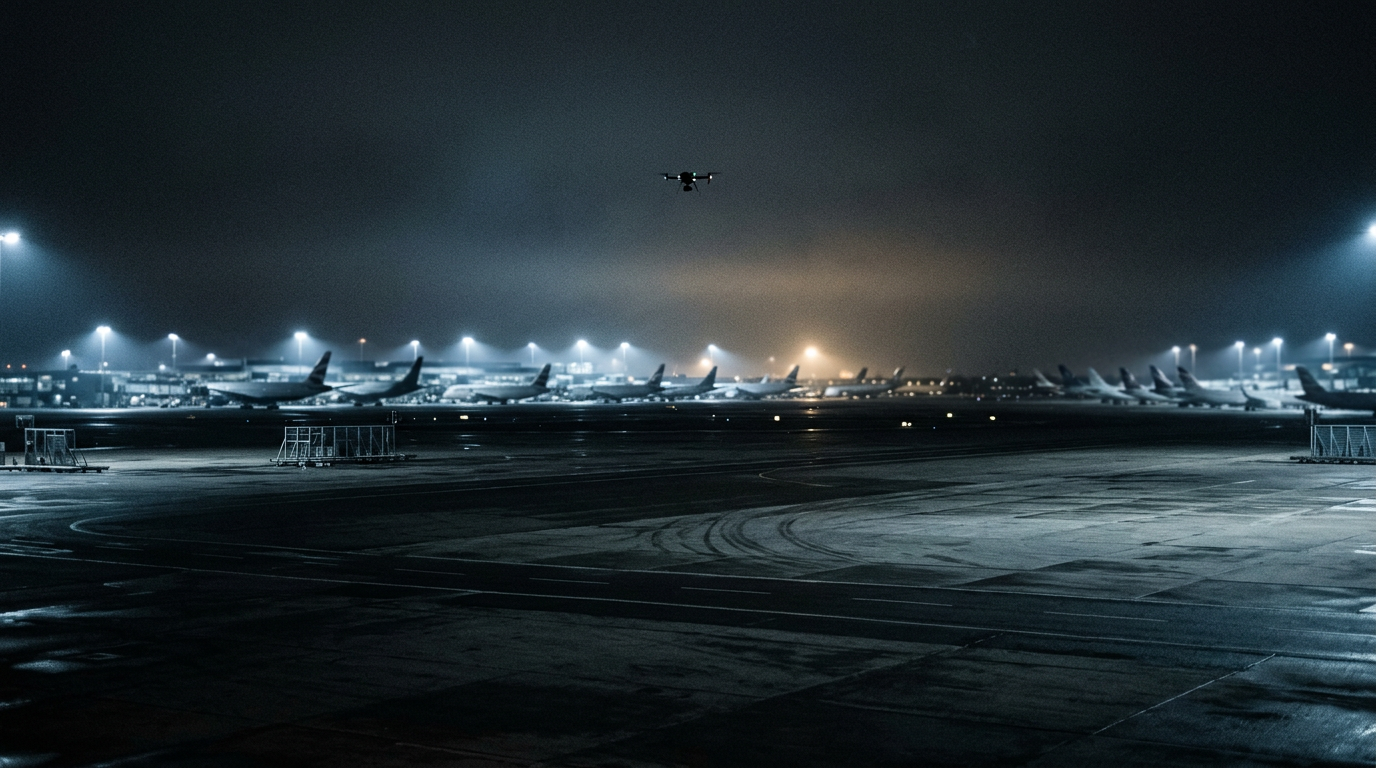
Drone incursions have become a standing disruptor of European aviation and critical infrastructure, not a one-off. Per Euronews, incidents near critical infrastructure quadrupled between 2024 and 2025. Copenhagen and Oslo closed in September 2025 after large drones forced 109 cancellations and 51 reroutes. Munich shut twice inside 24 hours that October. Around 20 Russian drones entered Polish airspace the same autumn, drawing NATO F-35 intercepts that cost upwards of EUR 1.2 million. Vilnius airport was shut by a drone warning in May 2026, with NATO jets scrambled.
The gap is detection and authority, not awareness. International Airport Review reports that traditional radio-frequency detection fails against silent and autonomously navigating drones, leaving teams reliant on visual confirmation. A single evening's disruption at Brussels Airport cost an estimated EUR 2 million. Berlin Brandenburg's head of security put it plainly: 'Our adversary is fast, agile and dynamic, and we are not keeping pace.' Jurisdiction is also unresolved. When a drone crosses into airport airspace, responsibility between airport, police and military stays unclear, and active countermeasures remain legally ambiguous.
For protective teams the implication is concrete. Contested airspace is now a planning factor for venue and event security, principal air movements and any critical-site contract. Build airspace disruption into contingency timelines, since ground holds and diversions cascade fast. Confirm who holds counter-UAS detection and intervention authority at a given site rather than assuming the venue can see or stop a drone. The economics favour the threat: a sub-GBP 1,000 airframe can close a major hub for hours.