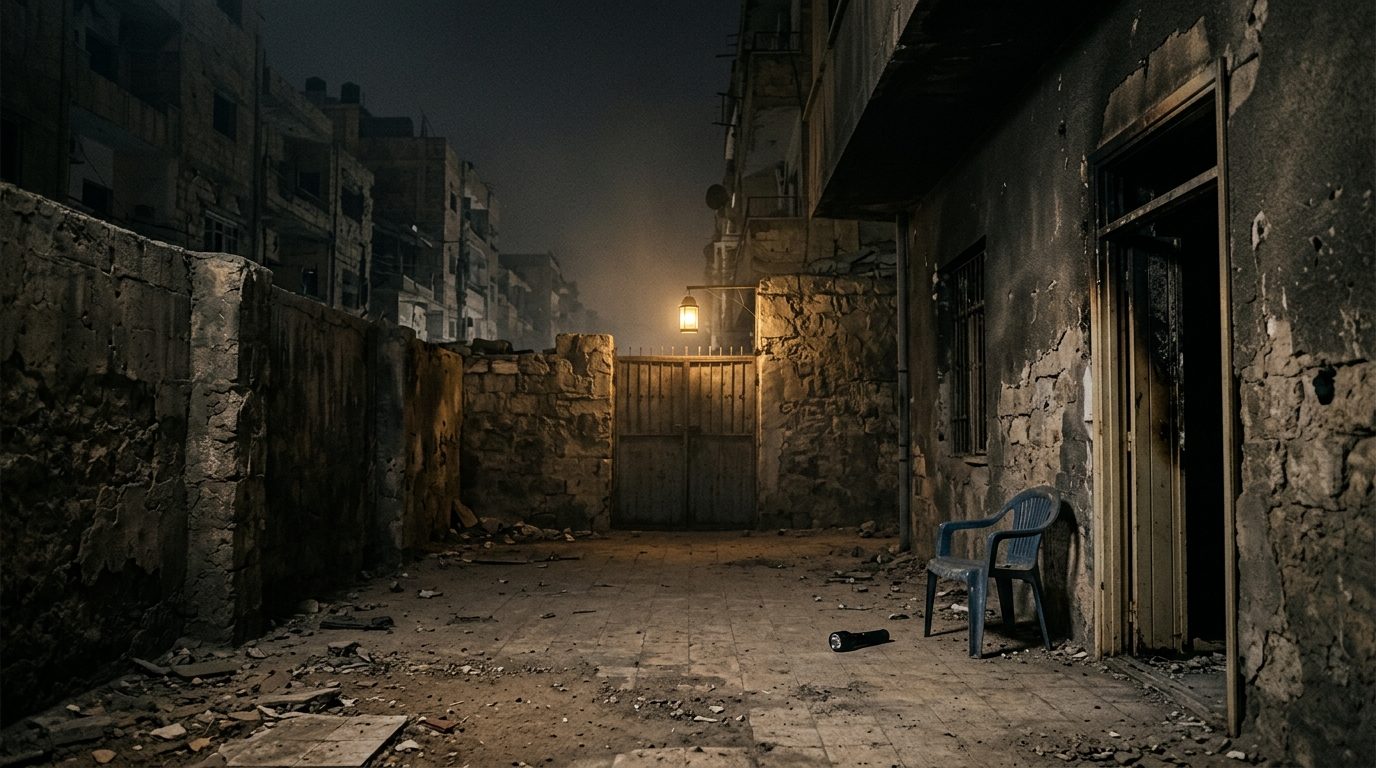
An Israeli drone strike on the evening of Friday 27 November killed two Médecins Sans Frontières (MSF) staff working as unarmed watchmen at the charity's clinic in Gaza City, according to MSF. The UN Secretary-General said on Saturday 28 November that he was shocked and saddened by the killings, and that any violations of international humanitarian law must be investigated and perpetrators held accountable. MSF says the deaths bring the number of its staff killed in Gaza since October 2023 to 17. The FCDO advises against all travel to Gaza.
What MSF says
In a statement on 28 November, MSF says the two men were carrying out their humanitarian duties when they were killed, that the clinic was clearly marked with MSF logos, and that its location had been communicated to the Israeli military. It says the clinic has operated since April 2025, offering antenatal and postnatal care, family planning, nutrition, wound care and mental health consultations, and that it has seen more than 91,700 people so far in 2026, an average of 1,990 a week. It says medical activities at the clinic would be suspended the following day.
MSF says that after the strike the Israeli authorities alleged the two staff members had affiliations with Hamas. MSF says such allegations are repeatedly made after attacks to justify the killing of aid workers, that the two were employed as unarmed watchmen, and that the strike was a targeted attack on a functioning and identified medical facility. It says nearly two years of its efforts to seek clarification through Israeli military, administrative and legal channels have met procedural delays and a lack of substantive responses, and it calls for independent investigations into attacks on medical personnel and facilities.
What the UN says
The Secretary-General's note, issued on 28 November, says he stands in solidarity with MSF and its staff. It reiterates that all parties must meet their obligations under international humanitarian law to protect hospitals, clinics, medical personnel and humanitarian workers. It calls on all parties to exercise maximum restraint and to uphold their commitments under the Comprehensive Plan to End the Gaza Conflict, which it says must be implemented in full and without further delay.
Four days earlier, UN News reported that an Israeli strike near a water well in Jabalya on Monday 23 November killed a staff member of UNRWA, the UN agency for Palestine refugees, and injured three others who were carrying out regular duties there, according to the agency. UN News says that brings the number of UNRWA personnel killed since October 2023 to 397, and that 600 aid workers have been killed across Gaza in that time.
What the FCDO advice says
The FCDO advises against all travel to Gaza and against all travel within 500m of the border with Gaza. Its Safety and security page says terrorist kidnap is a risk in Gaza and along the border with Egypt, and that British nationals, including humanitarian aid workers and journalists, are seen as legitimate targets. Its Regional risks page says the FCDO cannot offer routine consular assistance in Gaza, that the Rafah crossing regularly closes with no warning and for long periods, that the Erez crossing has been closed since October 2023, and that there is no warning siren inside Gaza and there are no official air raid shelters. The Palestine advice was last changed on Wednesday 18 November, on regional tensions.
What the record does not say
We did not read an Israeli government or military statement, so the allegation about the two men is reported here only as MSF describes it. Neither MSF nor the UN gives a time for the strike beyond the evening of 27 November, or says whether anyone else was in the clinic. MSF names the two men; we do not.
What it means for teams
This is The Ops Con's reading, not the FCDO's or MSF's.
On MSF's account, a clearly marked clinic whose location had been passed to the Israeli military was still struck, which shows that marking and notification alone do not protect the people on a site. Night guard posts at fixed, notified premises are among the most exposed roles. Security managers supporting NGOs, media or contractors in Gaza should review who stays on site after hours and why, where they shelter given there are no sirens or official shelters, how overnight accountability checks run, and how casualty notification would work with no routine consular support. Keep deconfliction records and notification receipts current and retrievable, since they are the evidence any later inquiry will need. Teams elsewhere in the region should note the FCDO's wider warning that hostilities could reignite with little warning.