UN News reported on Tuesday 17 November that gangs in Haiti have adapted their tactics as security operations increase, carrying out targeted kidnappings, imposing tighter restrictions on freedom of movement and seeking to influence upcoming elections through violence. Its report draws on a briefing in Geneva by Marta Hurtado, spokesperson for the UN human rights office (OHCHR). This post is for teams with a principal, staff or a project in Haiti.
What the UN rights office found
OHCHR documented 4,595 people killed and 2,050 injured by armed violence between January and 31 October 2026, including 1,167 killed and 459 injured between July and September. UN News says armed groups have carried out retaliatory attacks on residents suspected of cooperating with security forces, targeted kidnappings and increased forced recruitment of children and young people. Ms Hurtado said the leader of the Brooklyn gang in Cité Soleil allegedly prepared a candidate list to gain municipal positions, and that two residents who denounced the scheme were shot dead.
Security operations
Between July and September, OHCHR says, at least 514 people were killed and 235 injured during operations by national security forces against gangs, at times with the support of a private military company. Another 44 people were reported killed in extrajudicial killings by police officers outside anti-gang operations; the report does not give the period for that figure. Armed groups still control large areas of Port-au-Prince and beyond, and the Gang Suppression Force authorised by the UN Security Council has yet to be fully deployed.
The wider picture
UN News reports an estimated 1.49 million people displaced, and more than 5.94 million people, 53 per cent of those analysed, facing high levels of acute food insecurity between September 2026 and February 2027, according to the latest Integrated Food Security Phase Classification analysis.
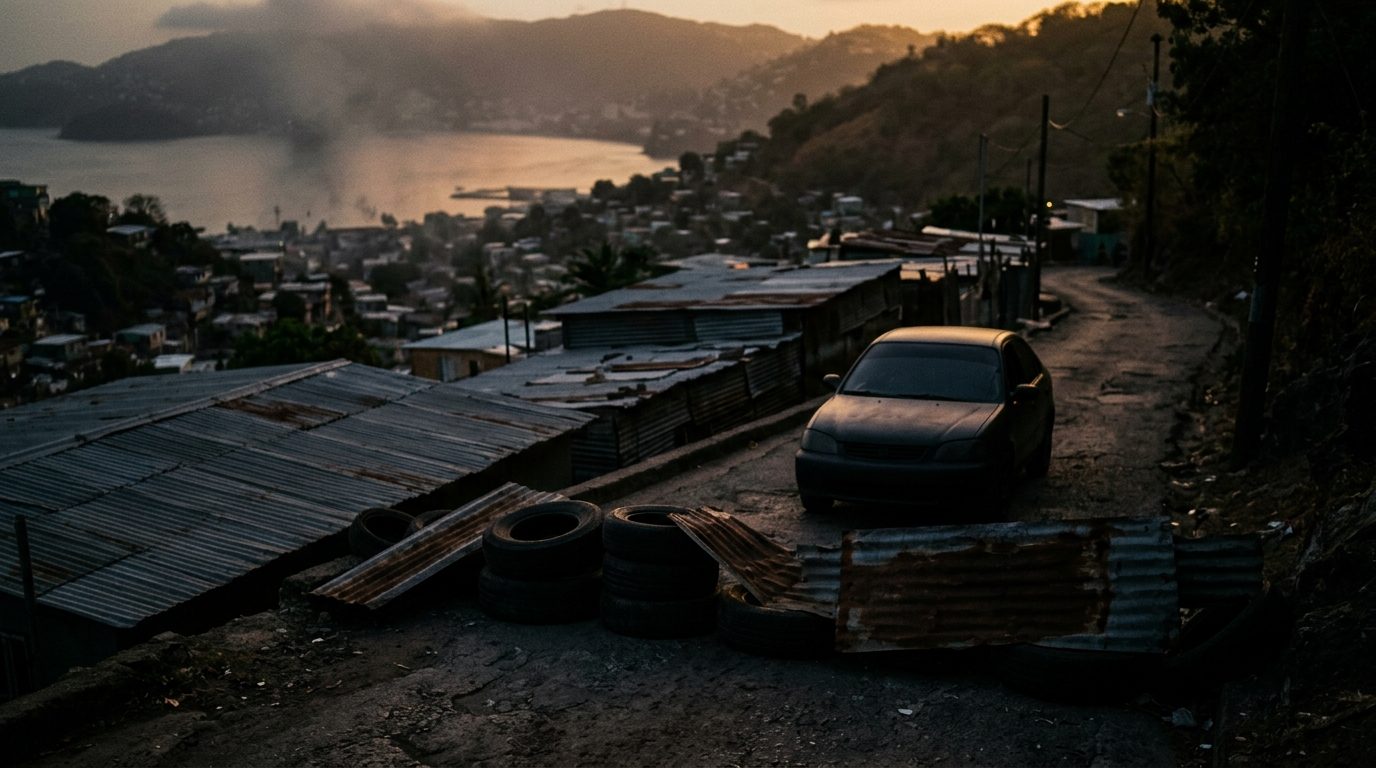
The FCDO advises against all travel to Haiti. Its advice says there is a high threat of criminal kidnap anywhere in the country, that kidnappers regularly use other vehicles or improvised barriers to stop traffic and take people at gunpoint, and that the threat is particularly high in the Port-au-Prince metropolitan area and on major routes into and out of the city.
What it means for teams in Haiti
This is The Ops Con's reading, not the UN's or the FCDO's.
The shift to targeted kidnapping and tighter movement control means routine is the exposure: vary routes and timings, keep moves short, and treat any unplanned stop or improvised barrier as hostile until proven otherwise. With election-linked violence now on the record, add campaign events and polling locations to the threat picture as dates are set. And where security forces, sometimes supported by a private military company, are running operations against gangs, expect sudden closures and retaliation against anyone seen to cooperate, which includes local staff.