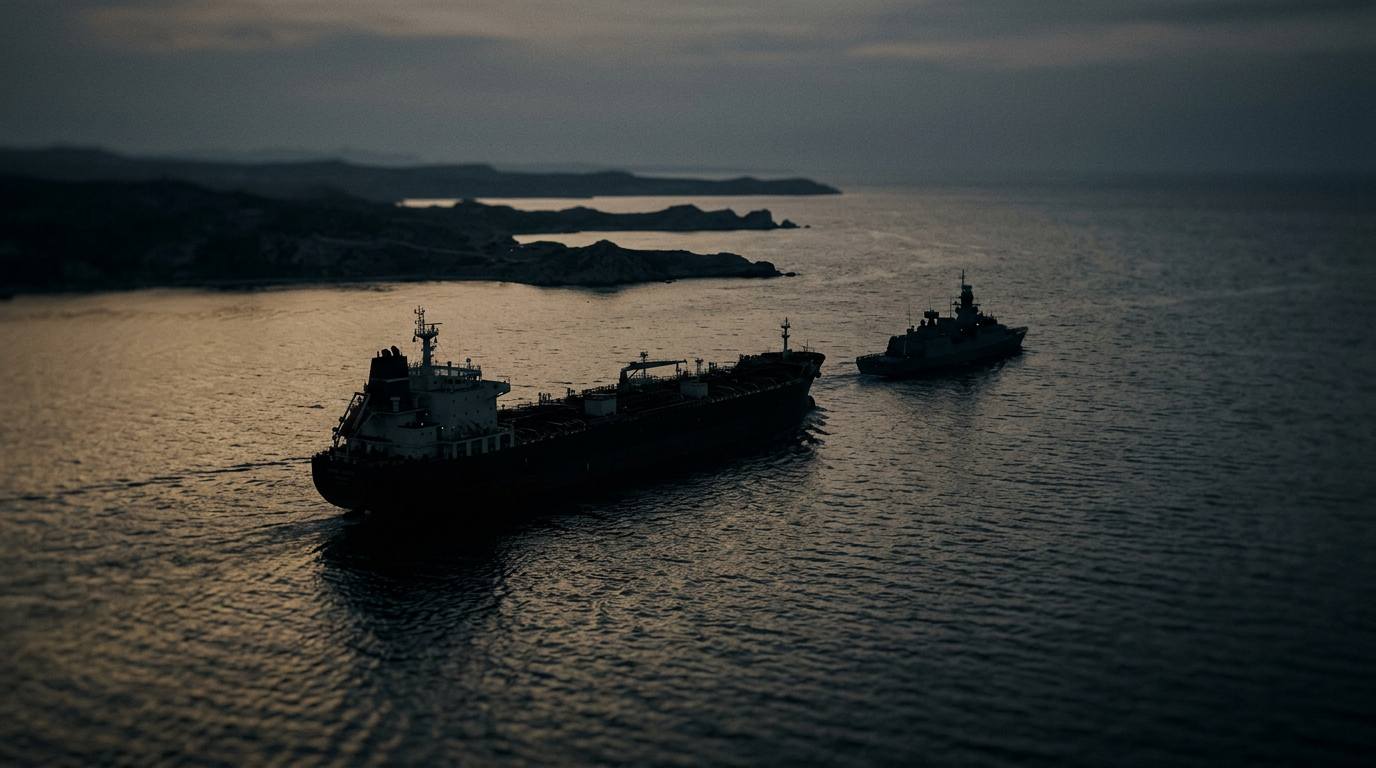
The Gulf de-escalation has gone into reverse. After drones hit the container ship *Ever Lovely* on 27 June and the tanker *Kiku* on 28 June near the Strait of Hormuz, US Central Command struck around ten Iranian military targets along the strait; the Revolutionary Guard fired missiles and drones at US bases in Kuwait and Bahrain on 29 June. The 17 June memorandum of understanding is close to collapse, with each side accusing the other of breaching it.
**Threat reading is back up.** The US Navy-led Joint Maritime Information Center had cut the strait threat to "moderate" before the weekend; reporting indicates it has been raised again after the attacks on merchant vessels. UKMTO is advising vessels to transit with caution and report incidents.
**Routing.** The central deep-water channel remains a mine risk and clearance is expected to take weeks. Traffic that moves is using the cleared southern Omani lane, with Iran pressing vessels toward a northern Iranian-approved channel. Several transits are moving under naval escort.
**Transit levels.** Traffic had rebuilt to its strongest since the conflict began over 21–23 June, still short of the pre-war norm of well over 100 ships a day. The strikes put that recovery at risk.
**AIS-dark.** Running with transponders off is now routine through the strait — well over half of crisis-period transits, by ship-tracking analysis — which makes identification and verification harder for everyone.
**For operators:** treat the truce as dead until proven otherwise. Route Gulf transits via the cleared southern Omani lane, stay out of the central channel and Iranian territorial waters, and stay inside the UKMTO reporting net. Expect naval presence, mine risk and contested airspace, and build slack into schedules for inspection and holding delays.