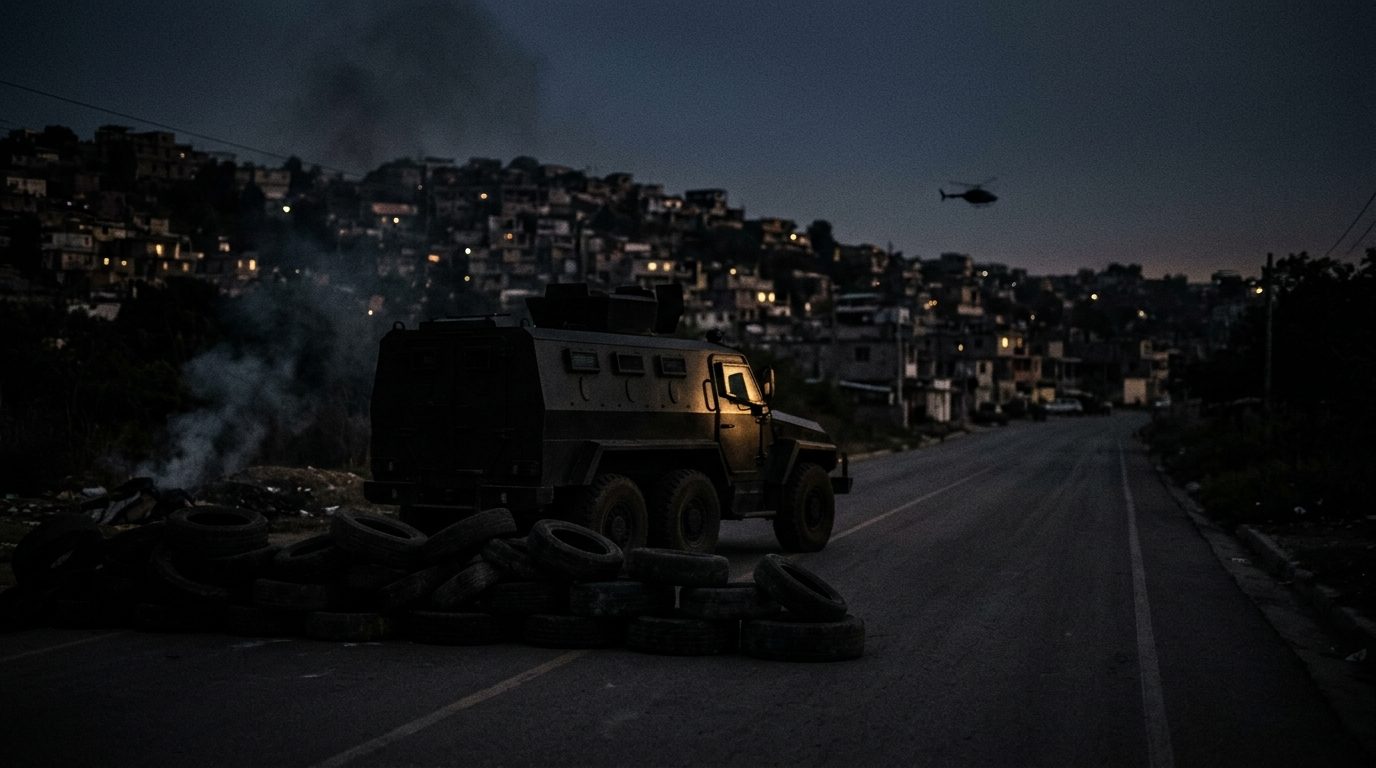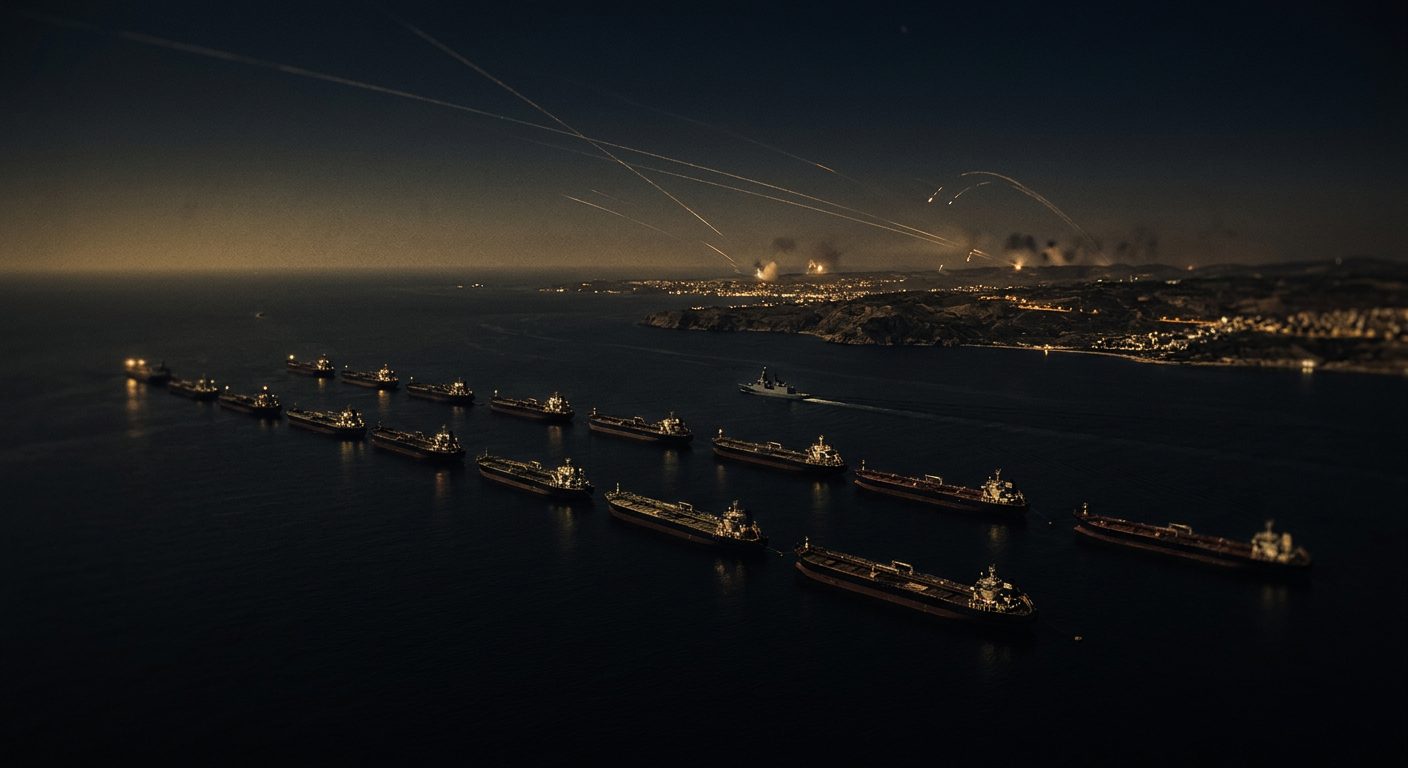
US forces struck targets in Iran for a tenth consecutive night into Tuesday, and Iran attacked another commercial tanker in the Strait of Hormuz, according to open-source reporting from The Irish Times. Tehran also targeted US sites in Bahrain, Kuwait and Jordan overnight. An Iranian health ministry official said around 50 civilians had been killed and 500 wounded in the recent US strikes.
The interim deal signed on 17 June, which was meant to end the fighting that began on 28 February, has collapsed. Per open-source tracking, it broke down after Iran struck multiple commercial ships on 8 July. At least ten vessels have been attacked in the strait and its approaches between 6 and 20 July.
The strategic picture has not moved in ten nights of strikes. Before the war, roughly 25 per cent of the world's seaborne oil trade and about 20 per cent of its LNG passed through Hormuz. Traffic is now a fraction of the pre-war flow, with Iran trying to force vessels onto routes through its own territorial waters. Open-source tracking counts 17 seafarers and a port worker killed in the maritime attacks.
For operators the implication is unchanged and hardening. The Gulf is an active conflict zone with direct risk to shipping, ports and Gulf-state infrastructure. Any principal movement, crew rotation or asset in Bahrain, Kuwait, the UAE, Oman or eastern Saudi Arabia sits inside the threat ring. Treat air and sea corridors as contested, build in diversion and shelter plans, and assume timelines will slip.