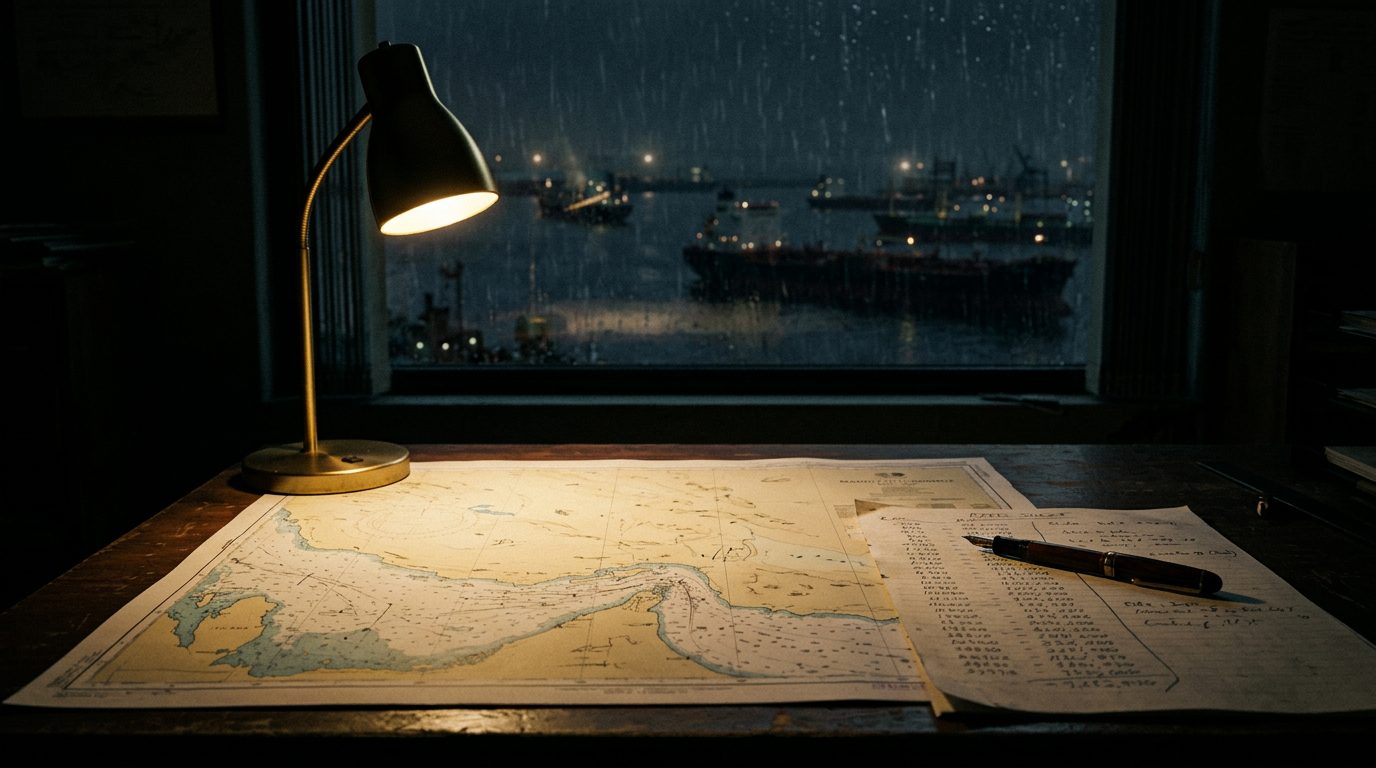
The cost of insuring a Gulf transit has detached from anything the market treated as normal a year ago.
Per The National, war-risk premiums for a Hormuz crossing are running at three to ten per cent of a ship's hull value. On a 100 million dollar tanker that is three to ten million dollars for a single voyage. Before the war the same cover sat at about 0.25 per cent, or roughly 250,000 dollars. Marcus Baker, global head of marine at Marsh, summed up the routing bind: the northern passage creates compliance exposure, the southern presents material interdiction risk. There is no clean lane to underwrite.
The human cost sits behind the numbers. UN News reported around 6,000 seafarers stranded aboard hundreds of vessels in the region, with 136 ships and 2,900 crew evacuated so far and further evacuations paused for security. IMO Secretary General Arsenio Dominguez has advised that all transit through the strait should be avoided until the necessary safety conditions are in place, and called the sustained insurance cost a matter of great concern.
Operator implication. If your task touches maritime logistics, energy cargo or crew welfare in the Gulf, assume cover is either unavailable or economically prohibitive, and that timelines will slip. For anyone with duty-of-care exposure to crews or contractors in-theatre, the stranded-seafarer picture is the live risk: people sitting on idle vessels inside a shooting gallery, dependent on a slow, intermittent evacuation. Factor welfare, comms and extraction into contracts now, not after a hull is hit.