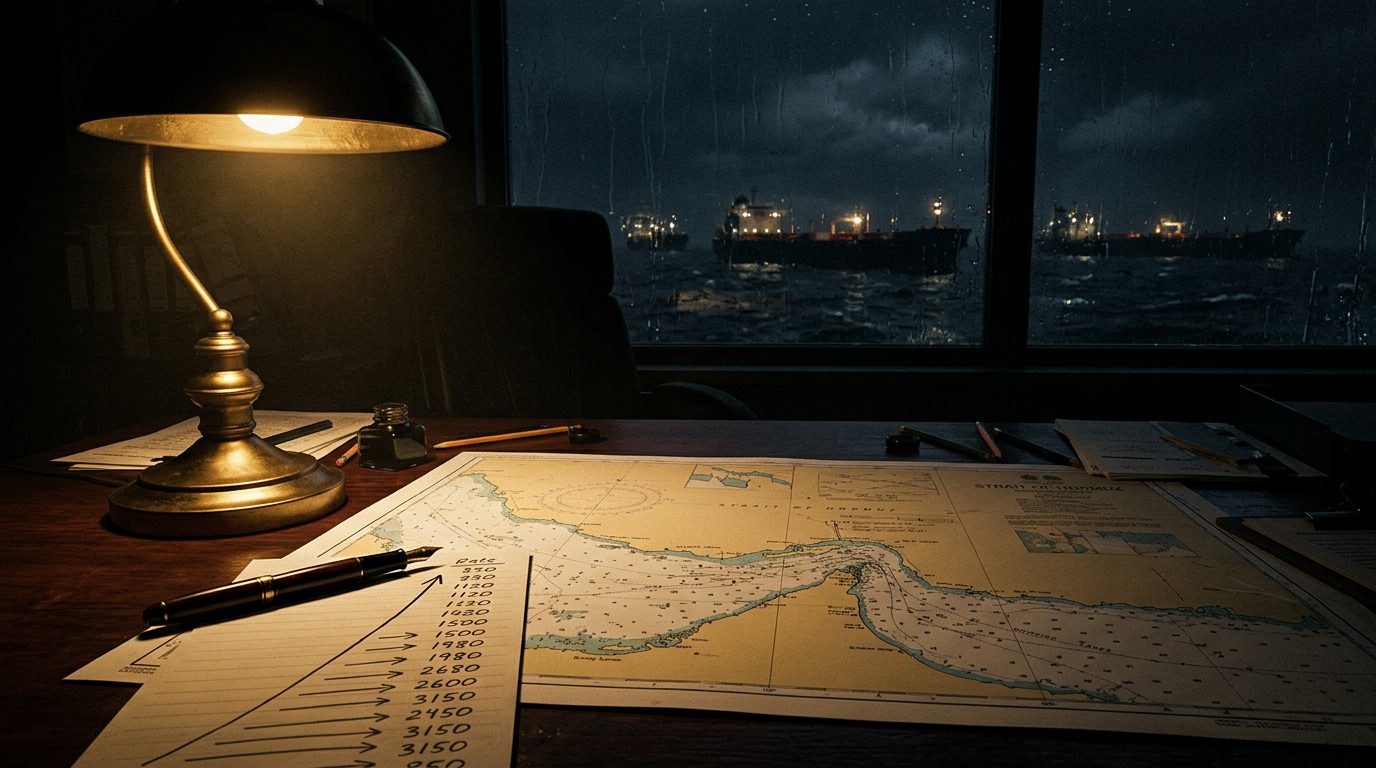
War-risk insurance has repriced the Gulf. Hull cover for a Hormuz transit now runs between 3 and 10 per cent of a vessel's value, against about 0.25 per cent before the war, according to The National. On a 100 million dollar tanker that is 3 to 10 million dollars a voyage, up from roughly 250,000.
The market is volatile, not settled. War rates have been on a roller coaster mirroring the development of the price of oil, Marcus Baker, Marsh's global head of marine, cargo and logistics, told The National. Cover spiked, eased when the June deal briefly held, then spiked again as attacks resumed. Iran's cruise-missile strike on two Adnoc supertankers, the Mombasa and the Al Bahyah, on 15 July killed one sailor and injured eight.
Behind the rate sheet is a crew crisis. The International Maritime Organization's 8 July update put roughly 6,000 seafarers stranded in the region, waiting on safe corridors for evacuation. Open-source tracking counts 17 seafarers and a port worker killed in the maritime attacks.
For the protective industry the read-through is twofold. First, maritime and port security work in the Gulf is being priced as high-risk, which lifts rates and tightens the pool of operators willing to take it. Second, duty of care now extends to people who cannot simply leave. Any client with crews, port staff or fixed assets in-theatre needs a real evacuation and welfare plan, not a line in a policy document.