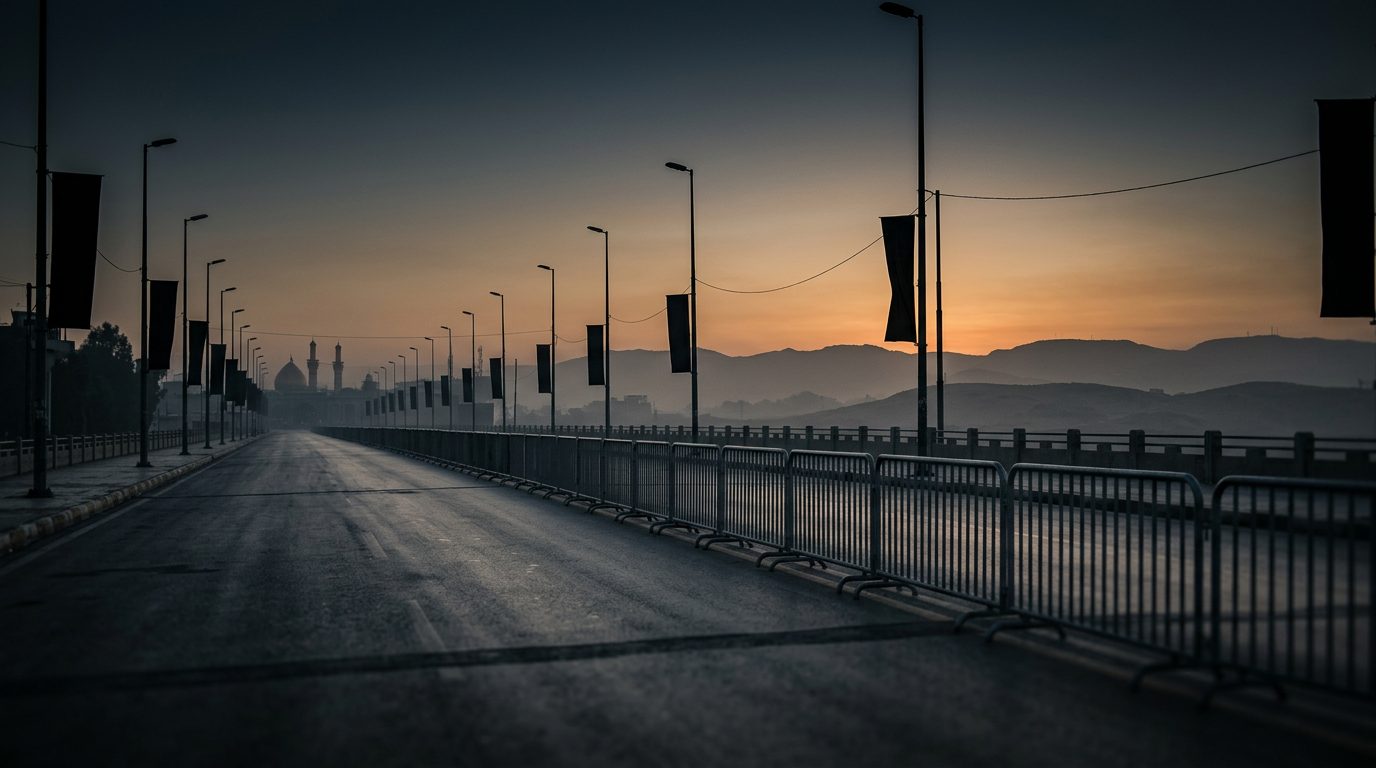
Iran's state funeral for Ali Khamenei enters its fourth day today. Open-source reporting has the procession moving to the holy city of Qom, from the Shrine of Fatimah Masumah to the Jamkaran Mosque, after a Tehran procession on Monday that drew a reported twelve to fifteen million people (Wikipedia; CNN). Khamenei was killed on 28 February at the start of this year's Iran war; the ceremonies run 4 to 9 July.
From here the programme moves outside Iran's borders: Najaf and Karbala in Iraq on Wednesday, and burial at the Imam Reza shrine in Mashhad on Thursday (Wikipedia).
The diplomatic track is frozen around it. Indirect US-Iran talks, most recently in Doha, are paused until after the burial (CNN). That puts the back half of this week — Thursday into Friday — as the point where the talks either restart or the pause hardens.
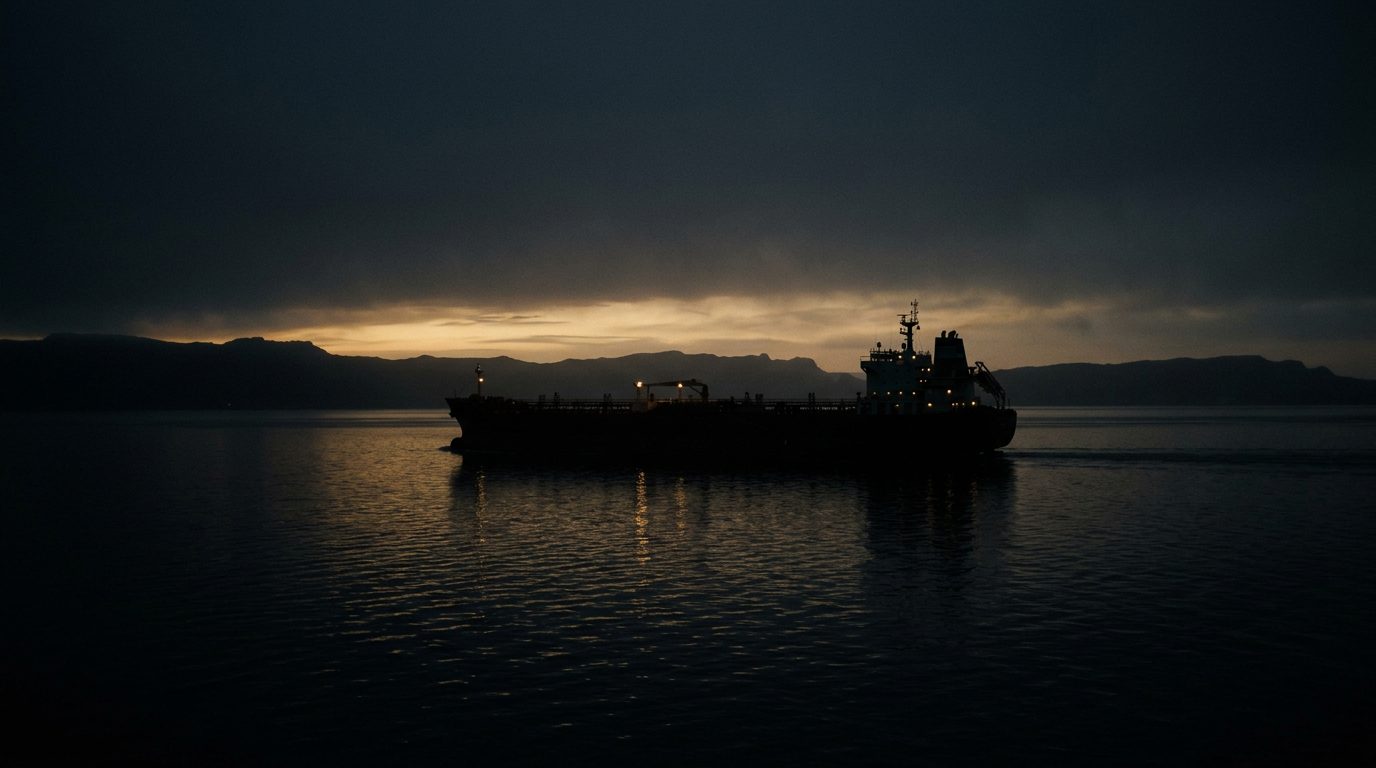
The Strait of Hormuz sits underneath all of it. Transit remains sharply down on normal, and the strait's security is expected on the agenda at this week's NATO summit in Ankara (CNN). Nothing about the funeral week changes the strait's status on its own; what matters is whether the post-burial diplomacy reopens it.
For operators, this is a week where the calendar drives the risk. Expect continued airspace and movement restrictions around the funeral cities — Qom today, Mashhad mid-week — and around any Iraqi leg. Gulf-based teams should hold contingency around Thursday and Friday, when the diplomatic signal lands. Don't plan Gulf maritime or air movement on an assumption that Hormuz normalises this week; plan for it staying constrained and treat any reopening as upside, not baseline.