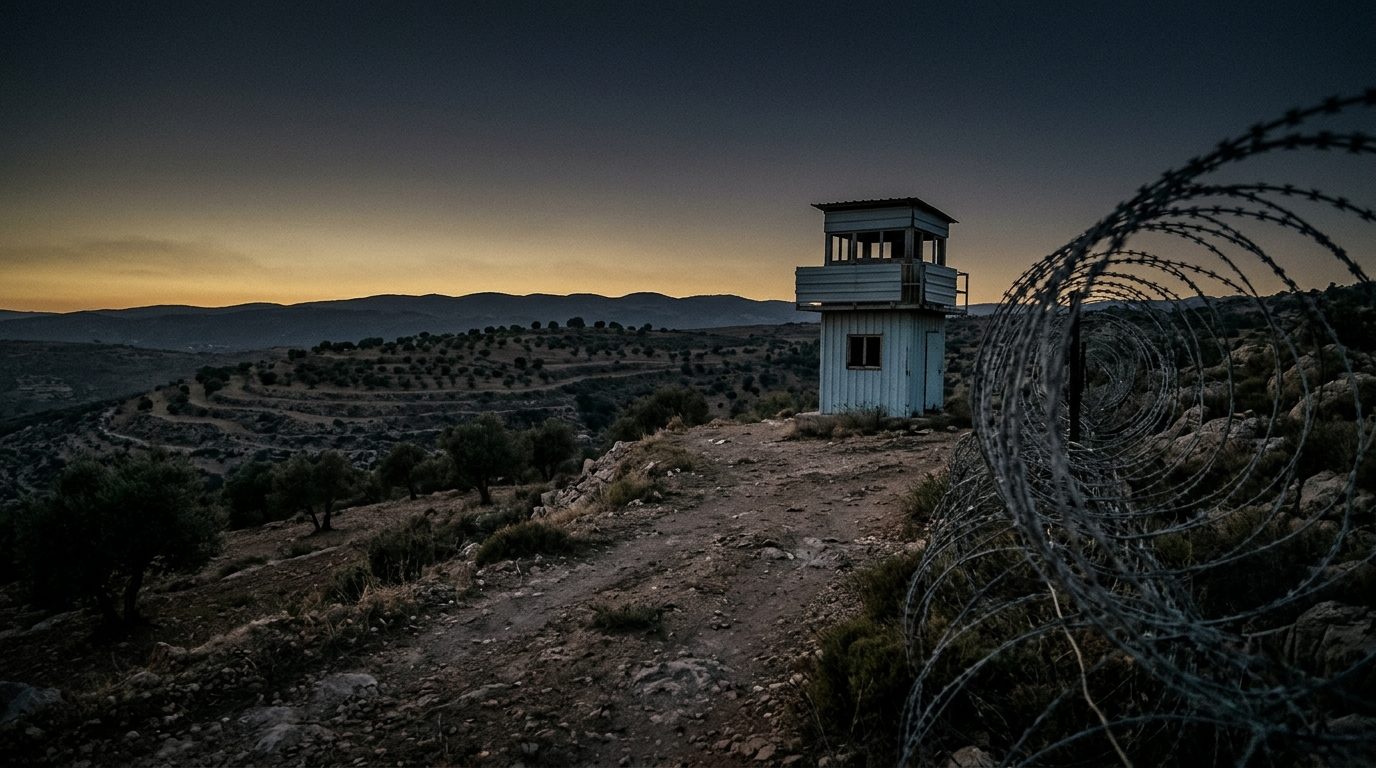
On Wednesday 4 November UN News reported a warning from the UN's peacekeeping chief about what happens when the UN force in Lebanon ends. This is a warning about a future gap. It is not an incident, and it is not a decision by the Security Council.
What UN News reports
UN News reports that Jean-Pierre Lacroix, the Under-Secretary-General for Peace Operations, warned that the withdrawal of peacekeepers from Lebanon and Western Sahara risks leaving a dangerous security vacuum. On Western Sahara, UN News says the UN mission there closed on 31 October after council members failed to agree on renewing its mandate.
On Lebanon, UN News says "the peacekeeping force that has patrolled the border with Israel since 1978 is due to cease operations at the end of the year". It says "Around 7,500 peacekeepers are still serving" with the UN Interim Force in Lebanon (UNIFIL). It reports the Security Council as divided over what, if anything, should replace the force. It says the Secretary-General put forward options in June, but the Council has yet to agree on any follow-on arrangement, and that Lacroix urged members to decide.
UN News quotes Lacroix asking: "What happens when there is no longer a third-party presence between the Lebanese army and the Israel Defense Forces?" It says President Joseph Aoun and Prime Minister Nawaf Salam told him they feared a "security vacuum" once the peacekeepers leave, with no one left to stop border incidents from turning into clashes. That last phrase is UN News's account of what Lacroix said they told him, not a direct quotation from Lacroix, Aoun or Salam.
What the FCDO says
The FCDO's standing advice for Lebanon says: "FCDO advises against all travel to South and Nabatiyeh Governorates." The page was last updated on 10 August 2026, and the change recorded that day concerned the areas the FCDO advises against. We are quoting it as standing advice, not as a response to this warning. The FCDO's regional risks page says "There is a UN peacekeeping presence in the area south of the Litani River due to tensions between Lebanon and Israel." It does not name UNIFIL or say that the force is due to leave.
What is not in the record
The article does not give a date within "the end of the year" for UNIFIL's last day. It does not give the positions of Council members, and it names no successor presence or Council vote on Lebanon. It reports no incident on the Lebanon and Israel line this week. We read UN News's account of the briefing, not the briefing transcript or the Council record.
What it means for operators
This is The Ops Con's reading, not UN News's or the FCDO's.
Teams that work in or move through south Lebanon, or that protect people there, have a dated warning from the UN that the force now patrolling the border ends this year, with no agreed replacement in the article. The record does not say that violence has risen or forecast clashes. UN News reports Lacroix as saying senior Lebanese leaders fear there will be no one left to stop border incidents turning into clashes. Planning for 2027 can reasonably include a border with no UN force on it: what your movement plans and contingency routes assume about that presence, and what you would do if conditions in the south changed quickly. Check any plan against the FCDO's advice for Lebanon before movement.