Hanna Serwaa Tetteh, the UN Secretary-General's Special Representative for Libya, told the Security Council on Wednesday 14 October that there has been significant political progress towards elections, but that the economic and security situation is fragile and that spoilers must be held accountable. She was briefing ahead of the renewal of the UN Support Mission in Libya (UNSMIL) mandate, which is due on 31 October. The FCDO advises against all travel to most of Libya and all but essential travel to Tripoli, Benghazi, Al-Bayda, Derna and Misrata.
What the UN said
The Special Representative described a break in the political deadlock on 30 August, when the parties to the "Smaller Convening", also known as the 4+4 committee, signed an Agreement in Tripoli after four months of deliberation. The UN's account says it sets a pathway to legislative and presidential elections under a unified executive authority within 24 months. She then said the High Council of State rejected the Agreement on 5 October, and asked the Council to hold spoilers accountable.
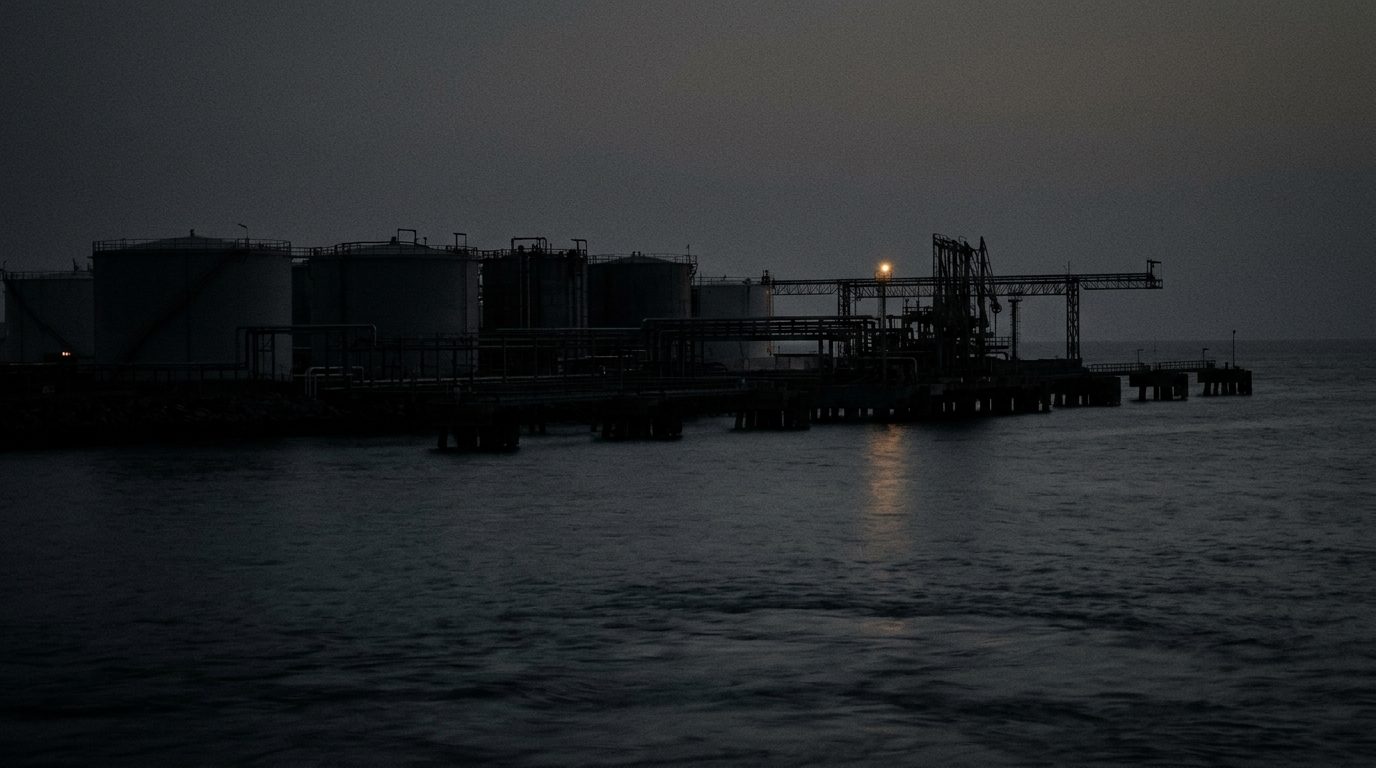
On the economy and security, she told the Council that inflation is above 14 per cent, that rising living costs are fuelling discontent, and that strikes and protests took place throughout September. She said an estimated 30 to 50 per cent of fuel imports between January and September, worth between $2.4 billion and $4.4 billion, are estimated to be lost, with smugglers profiting. Disruptions to oil infrastructure in September cost 1 million barrels of lost production, and she said attacks on or the undermining of infrastructure may constitute grounds for measures under relevant Security Council resolutions.
On human rights, she drew attention to the execution in Benghazi, in the last two months, of 58 people convicted of prior crimes related to terrorism offences, and called for further executions to be suspended. She also voiced alarm at rising misinformation and hate speech targeting refugees and migrants.
Council members pressed for action. The United Kingdom, which holds the pen on Libya at the Council, urged Libyan leaders to turn commitments into action. The US representative said those obstructing progress towards elections should be held to account, including through sanctions, and pointed to drone strikes on energy infrastructure, protests and pipeline blockades. France called for the withdrawal of foreign mercenaries and forces. Libya's representative condemned attacks on oil and energy infrastructure and warned against foreign interference. The UN page is a meetings coverage summary and carries the note "not an official record".
What the FCDO says
The FCDO advises against all travel to Libya except for the cities of Tripoli, Benghazi, Al-Bayda and Derna (with the surrounding Jebel Akhdar area between Al-Maqrun and Al-Tamimi) and Misrata, where it advises against all but essential travel. It says UK government support is limited, in-person support is not available in Libya, and urgent help is routed through the British Embassy in Tunis.
On the Safety and security page, the FCDO says there is a high risk of localised violence between competing armed groups throughout the country, and: "Violence can break out with little warning." It says Western employees of oil and gas companies are highly likely to be seen as high-value targets, and that British people and other Western nationals are considered high-value hostages. It also lists oil blockades, and road and airport closures, among the results of political instability, and says petrol can be difficult to get.
What is not in the record
This post does not report a new FCDO change. The latest change note on the Libya advice is dated 21 July 2026 and concerns the areas where the FCDO advises against all but essential travel. The UN briefing is eight days old at the time of writing; this post does not report any event after 14 October.
What it means for operators
These are Ops Con planning points, not UN or FCDO guidance.
Plan routes and timings around fuel. The UN describes large fuel losses and the FCDO says petrol can be hard to find, so vehicle range and fuel resupply are part of the movement plan, not an afterthought.
Expect disruption to oil and energy sites. Anyone working near oil or gas assets should treat blockades, strikes and attacks on infrastructure as live, and treat Western oil and gas staff as the FCDO describes them: likely targets.
Do not plan around consular help. With support run from Tunis and no in-person support in Libya, your own medical cover, movement plan and extraction route have to stand alone.
Watch 31 October. The mandate renewal and the High Council of State's rejection of the 30 August Agreement are the two political markers to check before each task.