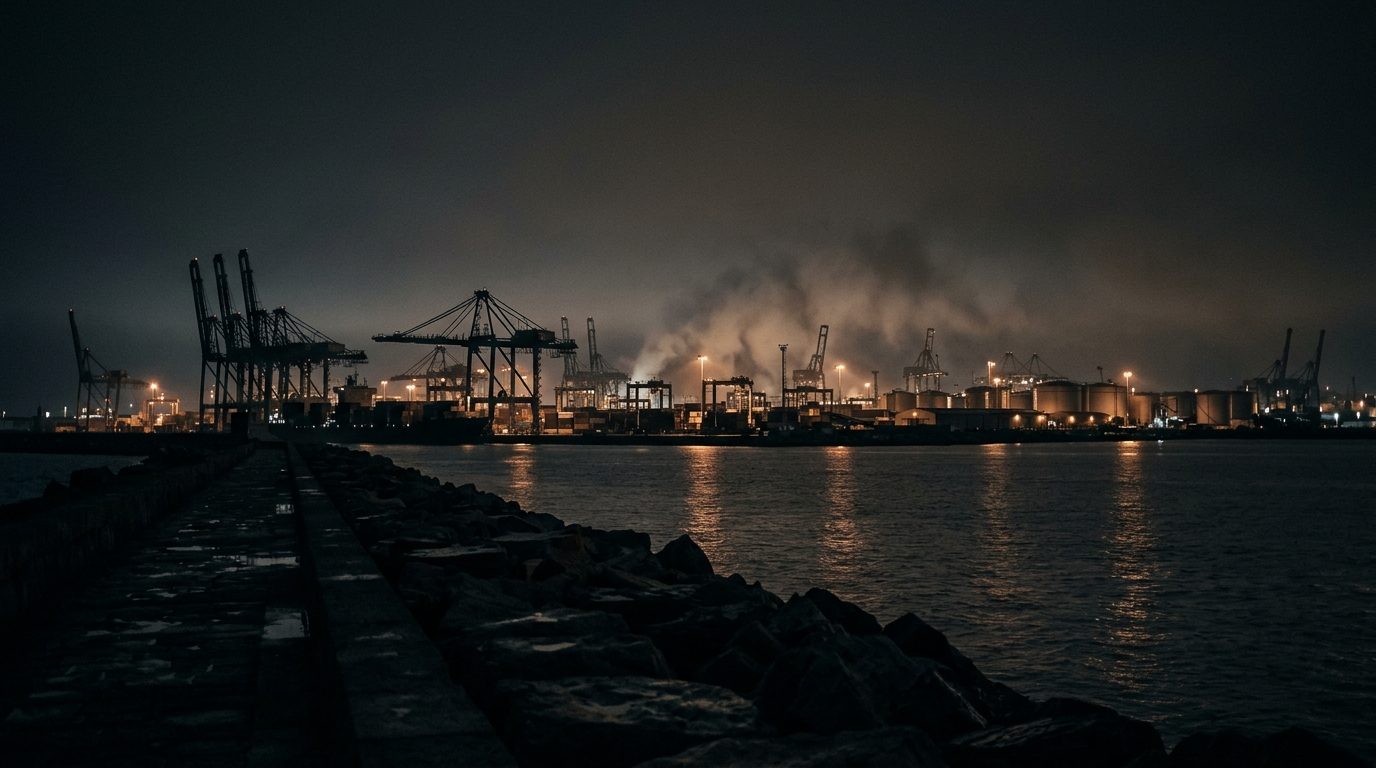
In a statement reported by UN News on Monday 23 November, the UN Support Mission in Libya (UNSMIL) called for an immediate, independent and transparent investigation into attacks carried out at Benghazi port and off the city's coast on Sunday 22 November. According to reports cited by UN News, a Russian warship docked at the port was hit in suspected sea drone strikes, exploded and sank, and a commercial vessel was struck in a separate attack. Those reports note that Ukraine has claimed responsibility. The FCDO has not changed its Libya advice since 21 July.
What UNSMIL said
UN News reports that UNSMIL expressed serious concern and stressed that Libya's sovereignty, territorial integrity and the security of its citizens and assets must be fully respected. It warned against escalatory actions or rhetoric that could fuel tensions inside Libya or draw the country into wider regional or international confrontations, and said Libya cannot afford to become a battleground for foreign conflicts.
The mission said the UN stands ready to help the Libyan authorities with the investigation. It urged all parties to show maximum restraint and to avoid putting unverified information into the public domain or politicising the incident while the investigation is under way. It also said the incidents underline the urgent need to speed up efforts to reunify Libya's national institutions and strengthen their ability to protect the country's sovereignty and security.
UN News adds that Libya has been in political crisis since the fall of the Gaddafi regime in 2011, and is divided between the internationally recognised Government of National Unity in Tripoli and a rival administration in Benghazi backed by the House of Representatives and Khalifa Haftar's Libyan National Army.
What the FCDO advice says about Libya
The FCDO advises against all travel to most of Libya. For the cities of Tripoli, Benghazi, Al-Bayda and Derna, the Jebel Akhdar area and Misrata, it advises against all but essential travel. The latest update was on 21 July 2026.
The regional risks page describes the general security situation in Benghazi as calm throughout 2024 and 2025, says security there is controlled by a single military group, and says there is a risk of in-fighting but no incidents in the last 12 months. The FCDO text does not mention the incidents of 22 November.
On the wider country, the FCDO says terrorist attacks cannot be ruled out, that British and other western nationals are considered high-value hostages, and that crime is widespread, including violent robbery and carjacking in Benghazi and Tripoli. It says British people have been detained by Libya's intelligence services or armed groups, including in Tripoli and Benghazi, and lists people who work in private security among those at higher risk of detention. It advises anyone who travels to have robust security arrangements and contingency plans in place.
What the record does not say
UN News does not give casualty figures, does not name who carried out the attacks beyond saying that reports note Ukraine has claimed responsibility, and does not say whether Libyan authorities have opened an investigation. The UNSMIL statement itself was published on X and we have read it only as reported by UN News. We found no Security Council item on these incidents, and no statement from Russia, Ukraine or the Libyan authorities that we could open. This is a UN mission's call for an inquiry, not a finding about who did what.
What it means for teams
This is The Ops Con's reading, not the UN's or the FCDO's.
The notable point is where this happened. The FCDO's own text describes Benghazi as quiet, and the reported sea drone strike on a foreign warship in its port is a different kind of event from the in-fighting risk its regional risks page describes. The FCDO has not responded to it in its advice so far. Teams with a movement in eastern Libya, or any plan that relies on the port, should check the latest position with their local contacts before relying on the July picture. Treat the port and the coast as an area where the security posture can change quickly and where foreign nationals, and people in private security in particular, are already flagged by the FCDO as higher risk. Keep contingency plans current, keep route and exit options that do not depend on Benghazi port, and watch for any FCDO change, which would be the first official signal that its assessment has moved.