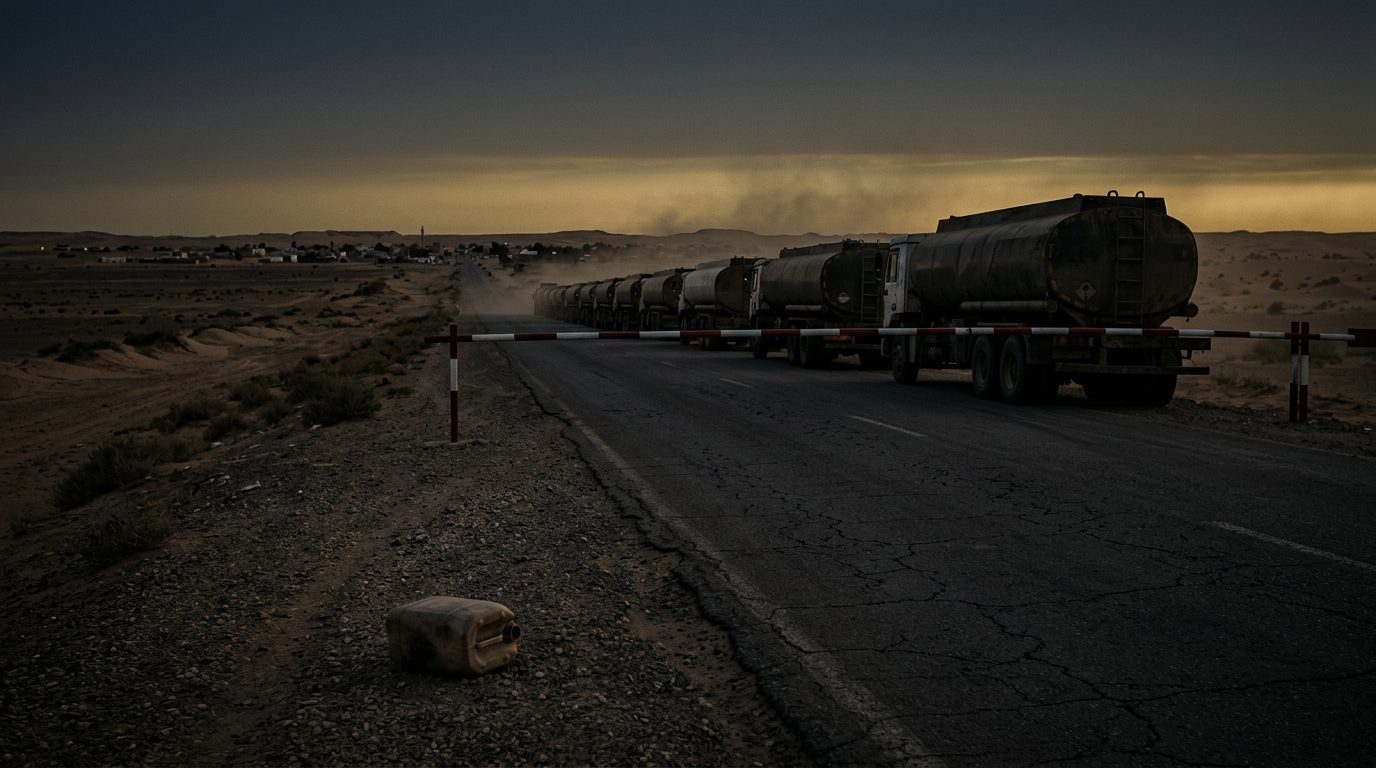
The Foreign Office continues to advise against all travel to Mali, where an insurgent campaign is throttling the movement of fuel into the south of the country. In its Mali travel advice, the FCDO reports that the al-Qaeda-linked group Jama'a Nusrat ul-Islam wa al-Muslimin, known as JNIM, has imposed blockades on key routes throughout southern and western Mali, including the capital, Bamako. The blockades are targeting fuel trucks and enforcing checkpoints on people trying to pass through them, and there is now a fuel shortage across the country, with long queues and higher prices where fuel can be found.
Mali hosts several terrorist groups, including JNIM and Islamic State Sahel Province, and the FCDO assesses a very high threat of kidnapping by al-Qaeda and Islamic State-aligned groups, alongside widespread criminal kidnapping by gangs. The blockade is an economic tactic aimed at squeezing the capital rather than a single spectacular attack, so its effects show up in the everyday texture of movement: whether fuel is available, whether an overland route is open, and how many armed checkpoints sit on the roads in and out of Bamako. Violent crime in the capital is high, and police checkpoints are common.
For close protection and travel-risk planning, the operational read is direct. Treat all travel to Mali as against FCDO advice and build any plan on that basis. Where a presence cannot be avoided, work around fuel security and contingency stocks, keep overland movement to a minimum and avoid predictable routes and timings, and expect checkpoints run by both state forces and armed groups. With the kidnap threat assessed as very high, keep profiles low, hold movement plans tightly, and have communications and proof-of-life protocols agreed before travel rather than improvised after it.