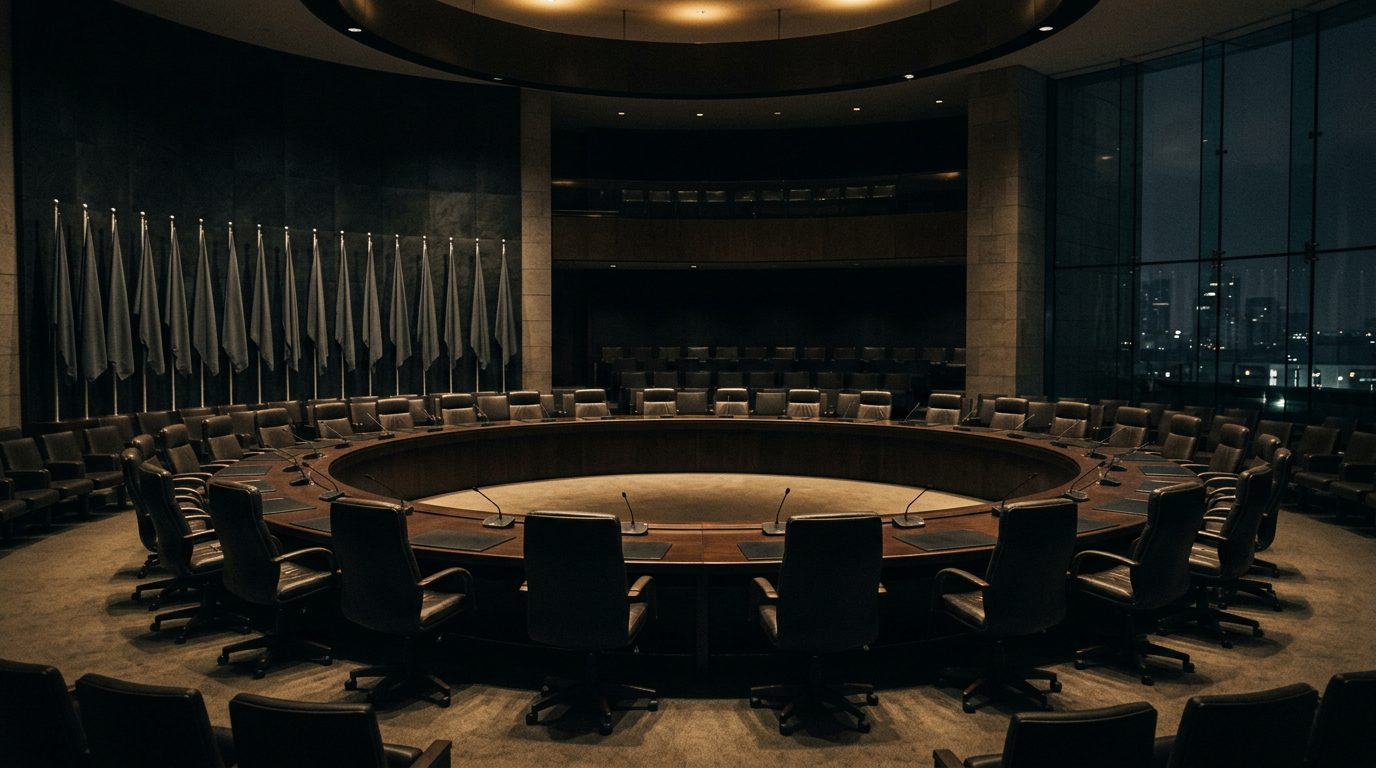
NATO's leaders meet at the Bestepe Presidential Complex in Ankara on 7-8 July. Per the alliance, the agenda is narrow and practical: progress on defence investment, defence-industry production, and continued support for Ukraine. Secretary General Mark Rutte framed the task as turning 'Allied commitments into concrete results'.
The headline commitment, agreed at last year's Hague summit, is to lift defence spending to 5% of GDP by 2035. That number splits: 3.5% on core military capability, and a further 1.5% on wider security-related spending, infrastructure resilience, cyber and the industrial base. In 2025, European allies and Canada raised core defence investment by 139 billion dollars, and some allies will reach 5% in 2026, ahead of schedule. The UK is among those with ground to make up.
For the security sector, the 1.5% slice is the part to watch. Protective security for critical national infrastructure, cyber-physical resilience, supply-chain and industrial-site security all sit inside it. This is a multi-year demand signal, not a one-summit headline, and the money is increasingly tied to delivery rather than pledges.
Near-term and closer to home: the FCDO has flagged travel disruption around the summit, road closures, transport disruption and enhanced airport screening in Ankara on 7-8 July, and continues to advise against all travel within 10km of Turkey's border with Syria. Anyone moving through Turkey this week should plan around it.