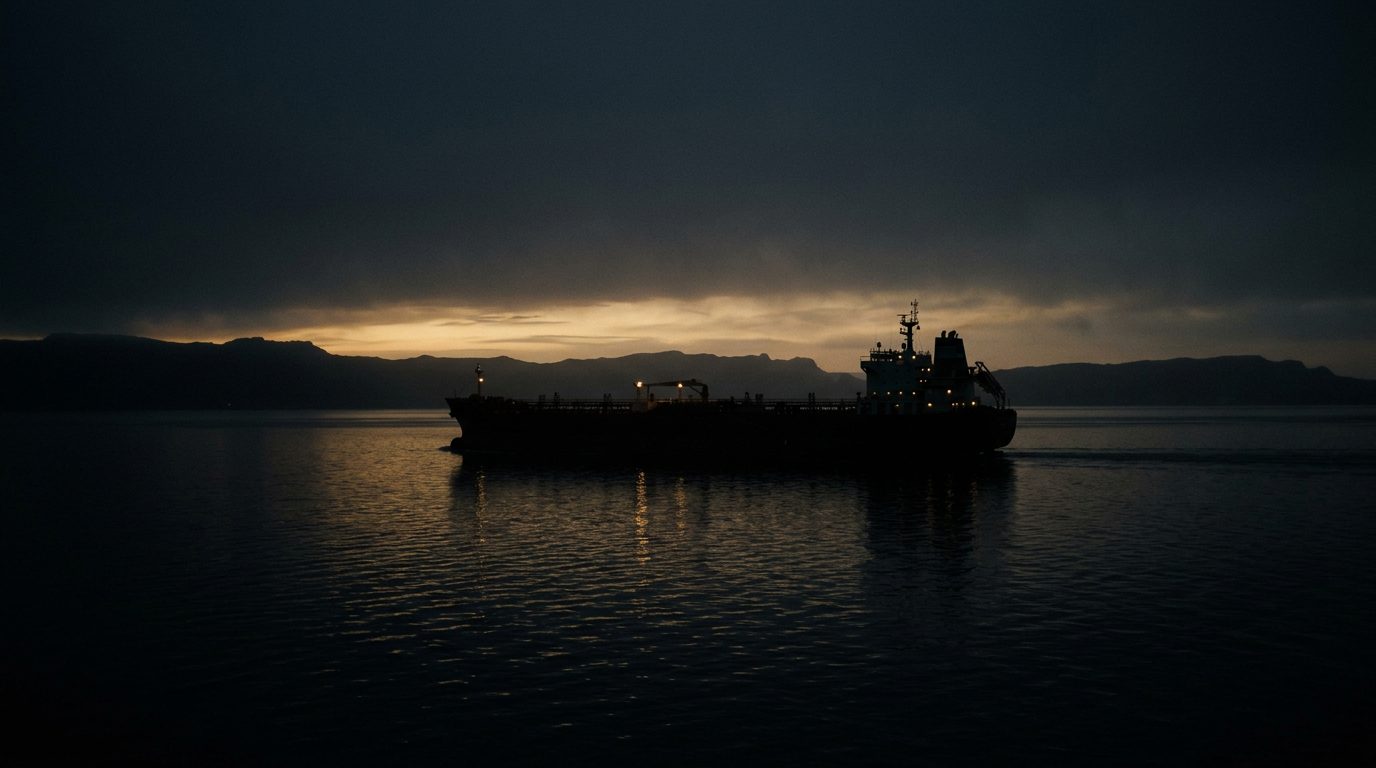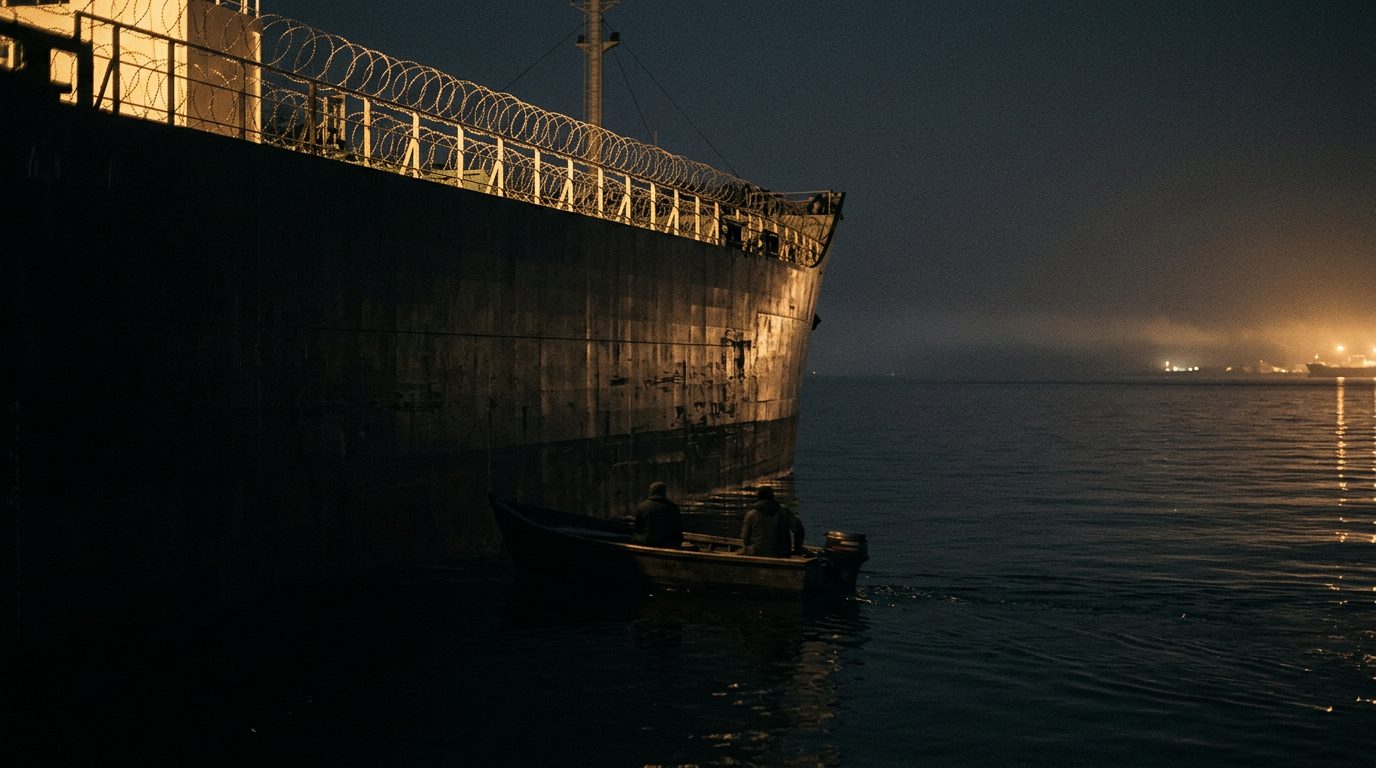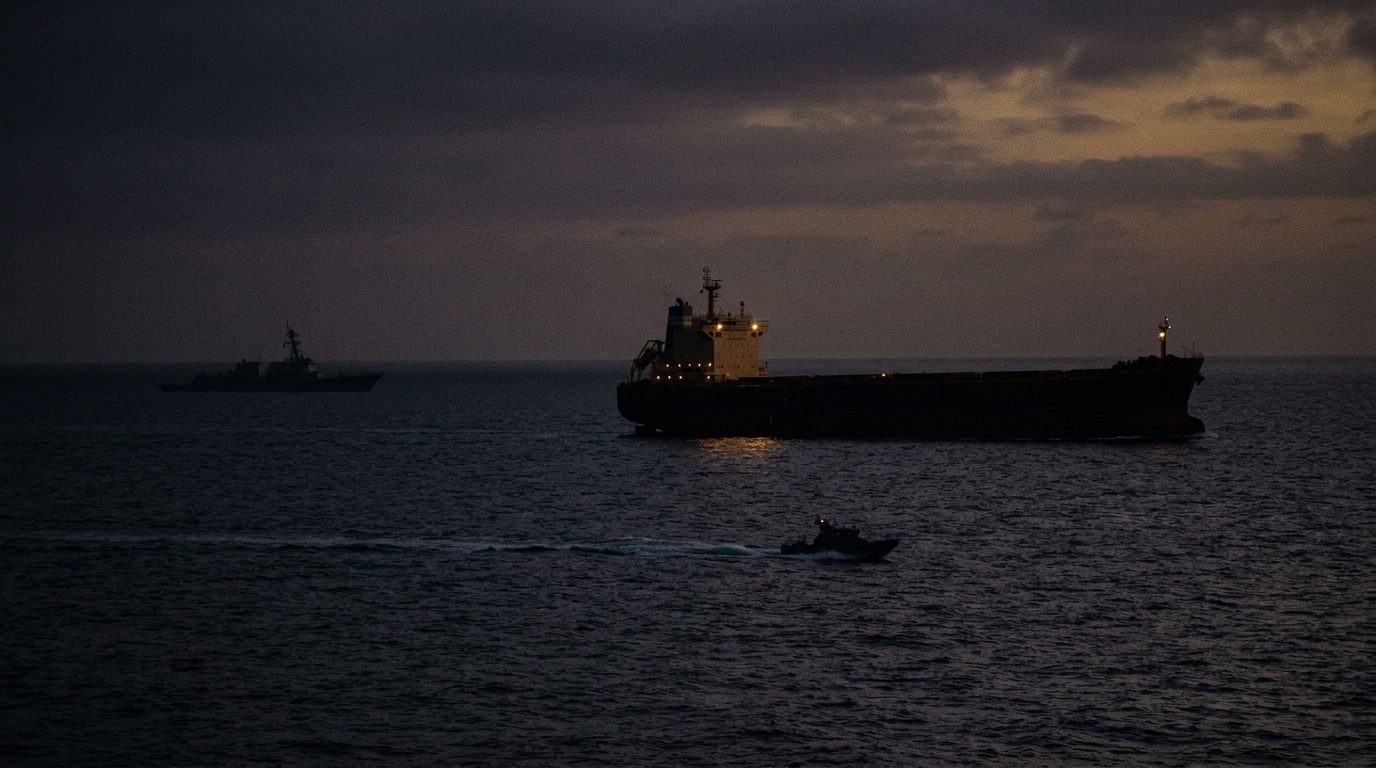
The southern Red Sea is active again. On Sunday 5 July a bulk carrier came under fire from a skiff around 30 nautical miles southwest of Hodeida; the attackers broke off to a mother ship running with its AIS switched off, and the crew were reported safe. No group has claimed it (CBS News). The same weekend, Houthi forces killed sixteen government-aligned troops and wounded twenty-two in fighting south of Hodeida — snipers, drones and mortars — in what one officer called the deadliest such attack in years (CBS News).
The timing matters. Until this weekend the corridor had been quiet: the UN Secretary-General's 9 June report noted no new incidents through early June, and the Security Council's reporting mandate on Houthi attacks — set by Resolution 2812 in January — expires on 15 July (Security Council Report). The Council is expected to weigh a further six-month extension this month, and the weekend's attack lands squarely on that decision.
The US Maritime Administration's advisory covering the Red Sea, Bab el-Mandeb, the Gulf of Aden and the wider approaches remains in force (MARAD).
For maritime security teams, the spring lull is over. Treat the Hodeida approaches and Bab el-Mandeb as a live threat environment again — an armed approach by skiff from an AIS-dark mother ship is the pattern to brief. If you have people transiting or working the corridor, reconfirm hardening, watch-keeping and citadel drills now, and read the 15 July Council decision as a signal of how the international posture is trending.