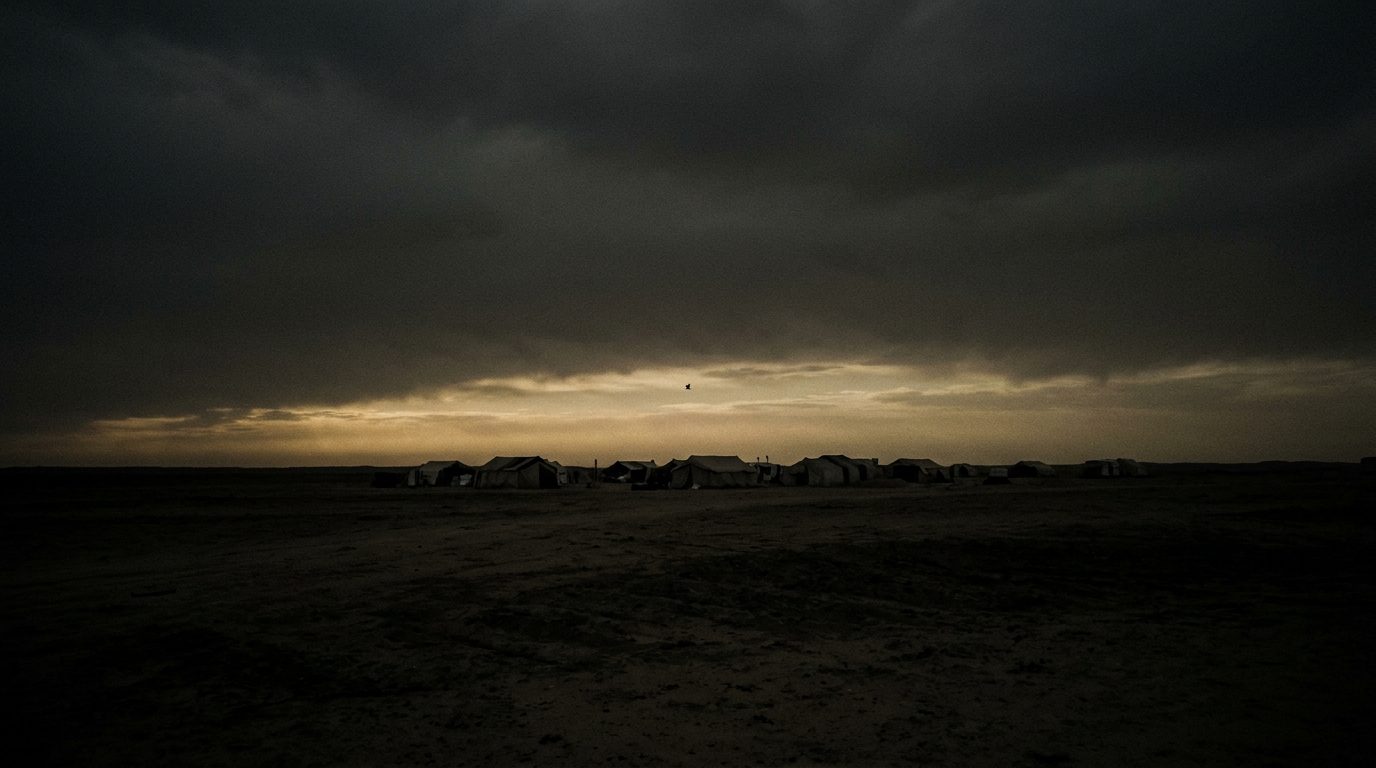
Drone strikes in Sudan killed at least 306 people in three weeks, according to the UN human rights office (OHCHR), as reported by UN News on Friday 23 October. The strikes are attributed to both the Sudanese Armed Forces (SAF) and the Rapid Support Forces (RSF), and hit homes, markets, hospitals, displacement sites, power stations and water sources in Kordofan, Darfur, Blue Nile, Khartoum and other states.
What the UN human rights office reported
The UN High Commissioner for Human Rights, Volker Türk, said the increasing use of drones, "already accounting for the majority of conflict-related civilian deaths in Sudan this year, is deeply disturbing and is exacting a horrifying toll".
UN News reported that the office documented numerous strikes on displacement sites. Between 6 and 10 October, alleged drone strikes attributed to military government forces on shelters for displaced people in Ghubeish and El Nuhud, West Kordofan, killed at least 25 civilians, including women and children. On 9 October, an alleged RSF drone struck displaced people engaged in artisanal gold mining near a displacement site at Abu Shendi, Blue Nile, killing at least 31 people, most of them women and children. On 11 October, an RSF-attributed strike on Um Darfa hospital in Blue Nile seriously injured two health workers and left the facility non-operational.
UN News also lists the 18 October "double tap" strike on a transport truck in Dibab, West Kordofan, an area controlled by the RSF, in which at least 139 people were killed. It does not say how the 306 deaths break down by incident. Separately, it reported that a drone attack on 19 October on Amiet Market and the Todach area in Abyei, the disputed region between Sudan and South Sudan, killed more than 80 people.
Türk urged both parties to commit to a ceasefire, and said peace efforts must "squarely address the continued influx of arms that is fuelling the conflict".
What UN Women said
At a press briefing in Geneva on 23 October, Anna Mutavati, UN Women's Regional Director for East and Southern Africa, said drone attacks are increasing across Blue Nile State, Khartoum, West Kordofan, Gedaref State and the Khashm al-Girba area of Kassala State. She said: "Most of those killed or injured are women and children." She also said UN Women is seeing an increase in drone attacks on displacement camps, markets and other civilian infrastructure.
What the joint statement says
A joint ministerial statement on the risk of famine in Sudan, published on GOV.UK by the FCDO on 23 October, says an estimated 19.5 million people, 41 per cent of the population, face high levels of acute food insecurity, including 5 million at emergency levels. It says: "There is no time to lose to save lives and prevent famine." It calls on the parties to authorise humanitarian operations through all crossline and cross-border routes, including air access into Darfur, to protect humanitarian personnel, to refrain from strikes on civilian infrastructure including agriculture and food systems, and to strengthen civil-military coordination.
What the FCDO says
The FCDO advises against all travel to Sudan because of the ongoing military conflict in Khartoum and other parts of the country. Its Sudan page was last updated on 11 May 2026.
What is not in the record
UN News does not say how many of the 306 deaths are attributed to each side, and the Dibab strike carries no named perpetrator. Ops Con could not open OHCHR's own release, so the figures above are UN News's account of the office's findings. No SAF or RSF statement was opened. No source gives a figure for the weekend of 24 and 25 October; that is not a claim that the weekend was quiet.
What it means for operators
These are Ops Con planning points, not UN or FCDO guidance.
By the High Commissioner's account, drones account for the majority of conflict-related civilian deaths in Sudan this year, and both sides are using them. Displacement sites, markets and hospitals have all been hit, so places that would normally be treated as safer offer no protection from the air.
Any humanitarian or commercial movement inside Sudan needs an air-threat assessment, not only a ground one, and dispersal and shelter options at every halt.
The FCDO has no consular staff in the country and its advice is against all travel. Plans for any team inside Sudan must assume no UK consular help.