The UN Security Council was told on Monday 16 November that returning Kurdish families in Syria face violence, that there is a tense stalemate in Sweida, that Israeli military activity has continued and that the threat from Da'esh remains serious. Claudio Cordone, Deputy Special Envoy of the Secretary-General for Syria, gave that assessment, according to the UN's press release of the meeting. The FCDO continues to advise against all travel to Syria. This is a briefing, not a new incident, and it is six days old. It is relevant to teams transiting Syria or working with returnee populations.
What the Council heard
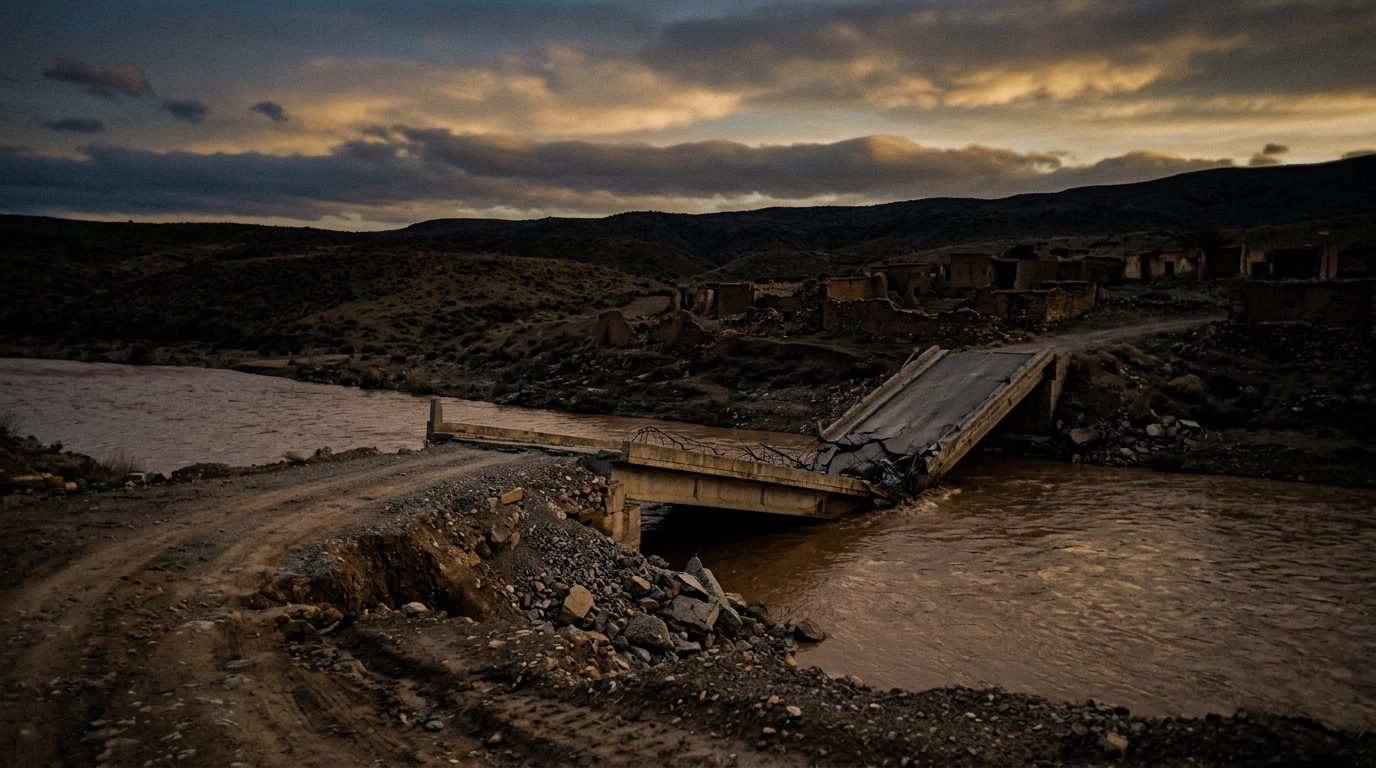
Mohamed Yahya, the UN's Assistant Secretary-General for Humanitarian Affairs and Deputy Emergency Relief Coordinator, told the Council that nearly 4 million Syrians have voluntarily returned to their homes since December 2024. He said returnees face explosive ordnance, that clearing it is essential to rebuilding and farming, and that homes, schools and health facilities need repair. He said flash floods have washed away shelters, homes, crops and key bridges, and that the humanitarian response plan is only 40 per cent funded as winter approaches. He also raised concern about polio detected in Deir ez-Zor Governorate. Mr Cordone estimated that rebuilding damaged physical assets alone would cost $216 billion.
What the FCDO says
The FCDO advises against all travel to Syria due to unpredictable security conditions and the threat of terrorist attacks. It says consular support is not available from the British government from within Syria, and that travel insurance could be invalidated if you travel against its advice. Its latest change, on 18 November, was a note reading updated information about regional tensions on the Warnings and insurance page. The note does not say anything more specific about Syria.
What the record does not say
The press release gives no casualty figure for the violence against Kurdish returnees, no detail of the Sweida stalemate and no attack data for Da'esh. The figure of nearly 4 million returns runs from December 2024 and is not a 2026 total. We have not stated any figure given by a member state, because those are national claims and not the UN's own.
What it means for teams
This is The Ops Con's reading, not the UN's or the FCDO's.
The returnee picture matters for route planning more than for threat headlines. The UN says flash floods have washed away key bridges, so verify every route and alternate close to the move and make no assumption that a bridge is intact. Treat explosive ordnance as a standing hazard on any rural or formerly contested route: stay on established roads, never leave vehicles unattended off them, and brief principals and drivers accordingly. A team working with returnee populations should expect community tension, given the reported violence against returning Kurdish families, and should keep movements low profile and away from areas of recent disputes. Plan for medical support that does not depend on local facilities, and for a withdrawal route that does not rely on any single crossing or airspace. With no UK consular support in the country and insurance at risk, the exit plan has to be self-contained.