United Nations officials told the Security Council on Friday 9 October that Russian Federation strikes had killed over 100 civilians across Ukraine in the week so far. Khaled Khiari, Assistant Secretary-General in the Departments of Political and Peacebuilding Affairs and Peace Operations, said the attacks had reached "a new horrifying level", with over 100 civilians killed and at least 429 injured this week alone, citing the UN human rights office (OHCHR).
What the Council heard
On 8 October, a Russian Federation glide bomb attack on two passenger buses in Kramatorsk reportedly killed at least 33 people, while drone strikes killed 6 others in Kyiv. A day earlier, missiles and drones killed at least 32 people, including 5 children, across several regions. In Pryluky, a missile destroyed a residential building, reportedly killing 19 people, including 5 children.
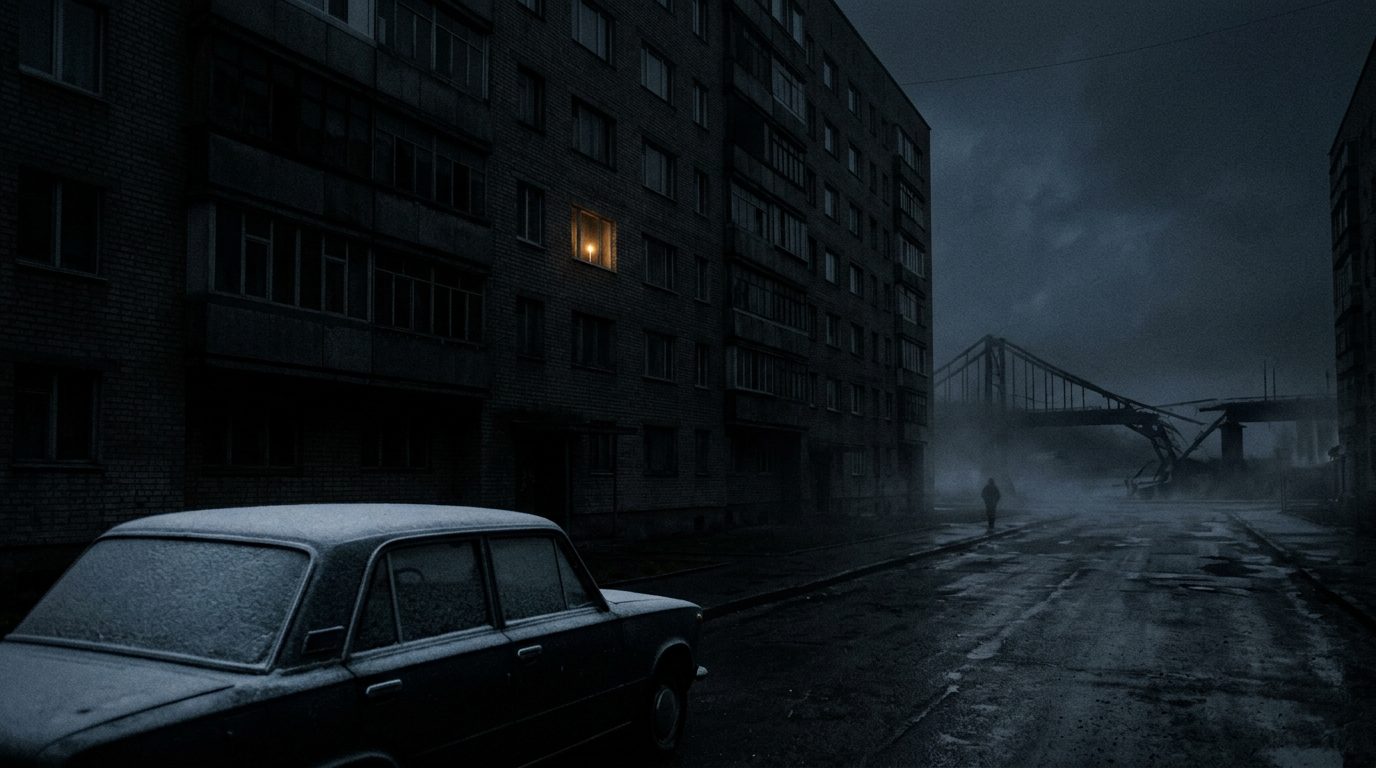
Khiari said strikes on bridges, educational institutions and energy infrastructure had intensified, causing widespread blackouts and water supply disruption. In Kyiv, air raid alerts last hours on end, and on 27 September alone they lasted 19 hours. He warned that residents could face "darkness and extreme cold this winter" and called for a "full, immediate and unconditional ceasefire". He said: "The current cycle of escalating attacks against civilians must end now."
Khiari also noted OHCHR reports of 496 civilians killed and 3,394 injured by Ukrainian attacks inside the Russian Federation between January and September. He reported drone incursions near Moldova and attacks on commercial vessels in the Black Sea, and said some 2,000 civilians, including 35 children, reportedly remain trapped in Russian-occupied Oleshky without food or medical supplies.
Gemma Connell of the UN humanitarian affairs office, speaking for Tom Fletcher, pointed to a $358 million Winter Response Plan to support 2 million vulnerable people with heating, shelter and food. She said "no amount of preparedness can substitute for protecting the infrastructure civilians depend on in the first place".
What is disputed
Ukraine's delegate said UN monitors had verified 2,222 civilians killed and more than 13,000 injured in Ukraine in 2026. Russia's representative said Kyiv had escalated the conflict through a 40-day operation targeting Russian oil refineries, fuel depots, airfields and maritime vessels, insisted that Russian attacks were restricted to military targets, and asserted that 8,000 Russian civilians had been affected by Ukrainian strikes in 2026. The United Kingdom's delegate said: "Directly targeting civilian infrastructure may constitute a war crime." These are national positions stated in the meeting, not findings of the UN.
What it means for operators
The reporting points to three planning risks for teams in Ukraine: long air raid alert periods, loss of power and water as energy infrastructure is hit, and damage to bridges that can cut routes. These are Ops Con planning points drawn from the Council's account, not UN guidance.
Check that vehicles, comms and medical kit do not depend on mains power or a single route, hold fuel and water reserves, and keep an alternative route plan under review. Alert periods of many hours mean sheltering plans need food, water, power and communications built in, not only a location.