The Foreign, Commonwealth and Development Office advises against all travel to three governorates in the northern West Bank: Tulkarm, Jenin and Tubas, the last except for Route 90. It advises against all but essential travel to the rest of the West Bank, with the main exceptions being East Jerusalem, Bethlehem, Ramallah, Jericho and the areas south of it. That advice, current at 19 August and last reviewed on 22 July, sits alongside an all-travel exclusion on Gaza and on the area within 500 metres of the Gaza border.
The security picture behind that line is worsening. UN News reported on 11 August that 1,122 Palestinians had been killed in the occupied West Bank between 7 October 2023 and 24 July 2026, with 76 of those this year, and that the UN human rights office now describes the violence as at an all-time high, with settlers and Israeli security forces often acting together. The UN Secretary-General, Antonio Guterres, has warned that Israeli settlements have no legal validity and constitute a flagrant violation of international law. The heaviest concentrations of attacks have been reported in the Ramallah, Nablus and Jerusalem governorates.
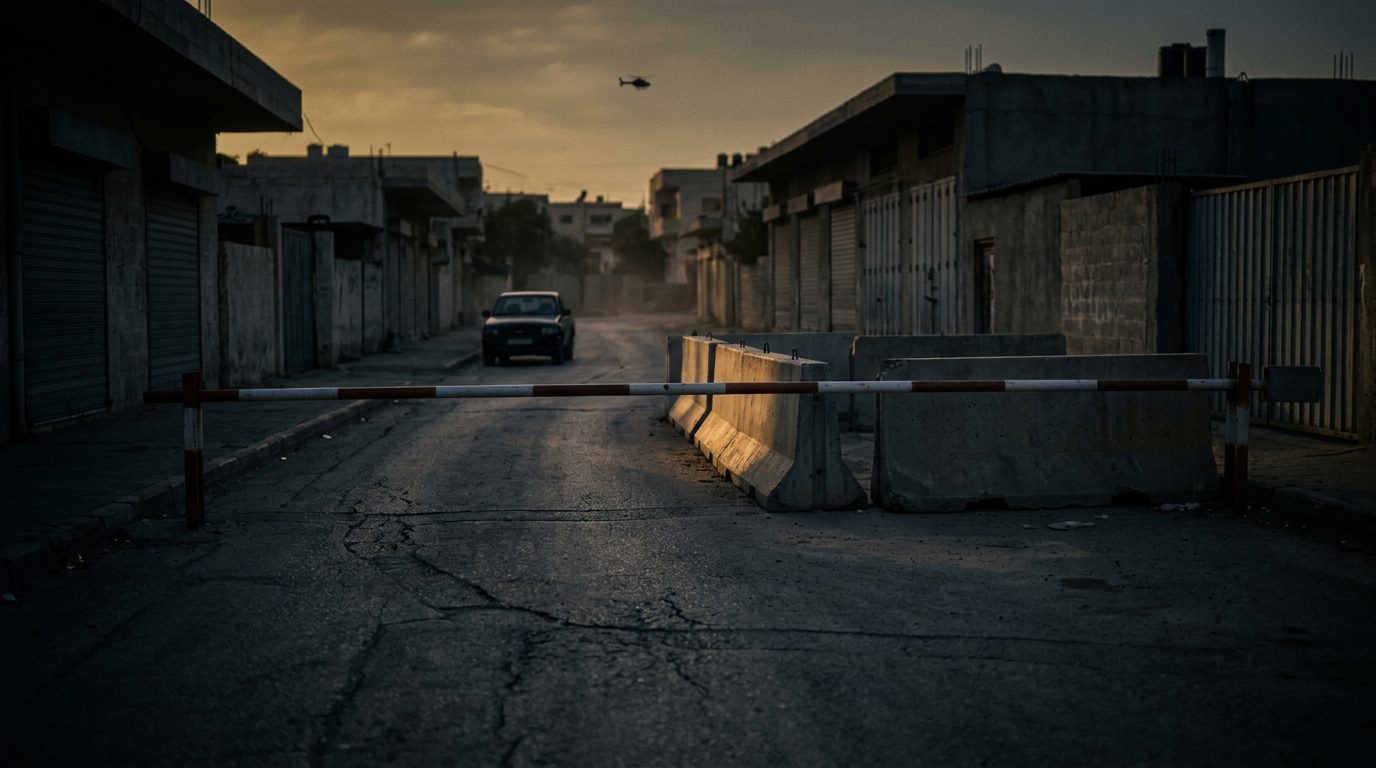
For a protective team the operational read is straightforward. The northern governorates of Tulkarm, Jenin and Tubas are the hard-exclusion flashpoints, the zones where Israeli military raids and settler violence are most concentrated, and movement anywhere in the West Bank outside the named exceptions should meet the essential-travel test. The direction of travel matters more than any single incident: with settler violence at a recorded high and the Palestinian Authority under strain, the trend is toward more friction at checkpoints, more flash roadblocks and less predictable movement, not less. Live FCDO area boundaries, careful route planning and a current read of the northern governorates are the things to keep in front of any deployment.