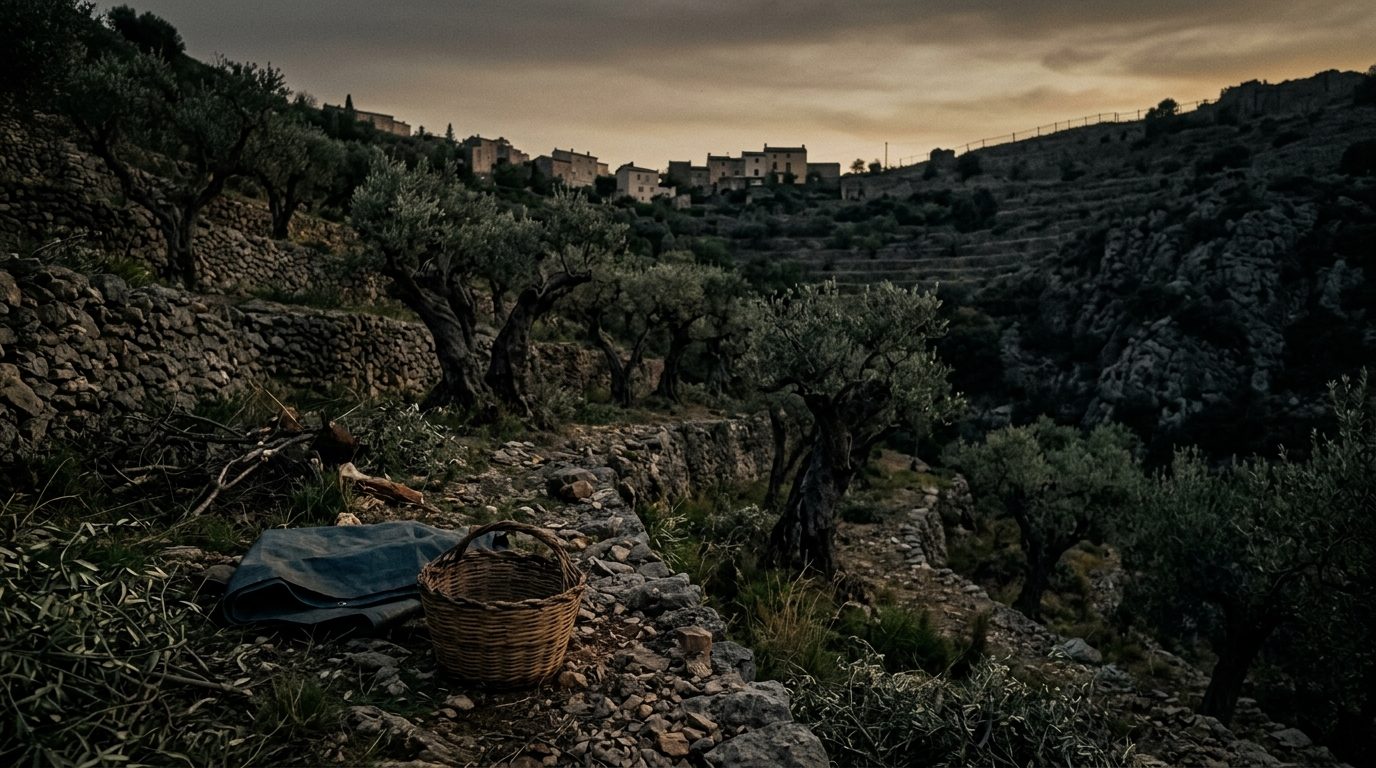
The UN says settler attacks in the West Bank linked to this year's olive harvest have already passed the total for the whole of the 2025 season. The harvest officially began on Thursday 15 October.
What the UN says
At the noon briefing on 15 October, the UN Spokesperson's office said that, according to the Office for the Coordination of Humanitarian Affairs (OCHA), "nearly 200 settler attacks linked to the olive harvest have caused casualties or property damage" so far this year, against 185 incidents recorded during the entire 2025 season. The attacks have killed one Palestinian, injured more than 120 others and damaged over 2,500 trees or saplings. About 80 per cent of the incidents took place in the past two weeks, and many communities have started picking early to reduce the risks. Humanitarian partners are monitoring Israeli restrictions on access to groves close to settlements and behind the 712-kilometre Barrier.
Briefing the Security Council the same day, the acting Special Coordinator for the Middle East Peace Process, Ramiz Alakbarov, warned that the West Bank is "at boiling point". Summarising his briefing at the noon briefing, the Spokesperson's office said settler violence continues at extremely high levels, with daily attacks on Palestinians, their homes and other property, often in the presence of Israeli forces.
What the UK said
In its statement to the Council on 15 October, the UK said the UN had recorded 51 settler attacks in a single week in September, and added: "As the olive harvest starts, we urge Israeli authorities to ensure Palestinian communities can harvest safely and without intimidation, violence or restrictions on access to their land."
What the FCDO says
The FCDO's current advice for Palestine, last updated on 22 July, advises against all travel to Tulkarm, Jenin and Tubas governorates except Route 90, and against all but essential travel to the rest of the West Bank outside East Jerusalem, Bethlehem Governorate, Ramallah and Jericho municipalities, the areas south of Jericho, and the Highway 1, Route 443 and Highway 45 routes between Jerusalem and Tel Aviv. Its Regional risks page goes further for Nablus, advising against all travel to the refugee camps in Jenin and Nablus, which the Warnings and insurance list does not include. It says there are reports that settlers have threatened people travelling near settlements and settlement outposts, and advises care near settlements, including in the hills around Nablus and the South Hebron hills. It says there are no warning sirens or official air raid shelters in the West Bank outside Israeli settlements, and that road closures can occur with little notice. The FCDO advice does not mention the olive harvest.
What it means for operators
These are Ops Con planning points, not FCDO or UN guidance. The harvest puts people, vehicles and confrontations on the rural roads and hillsides next to settlements, which is where the FCDO already warns of threats to travellers. Teams supporting journalists, NGO staff or observers should expect harvest-related incidents on rural routes, especially near settlements around Nablus and in the South Hebron hills, and should not assume the presence of Israeli forces makes a scene safer. Build in time for closures and checkpoints, carry passports and immigration slips, and confirm insurance cover against the FCDO's travel zones before tasking outside the listed exceptions. Plan Nablus on the stricter reading until the two FCDO pages agree.