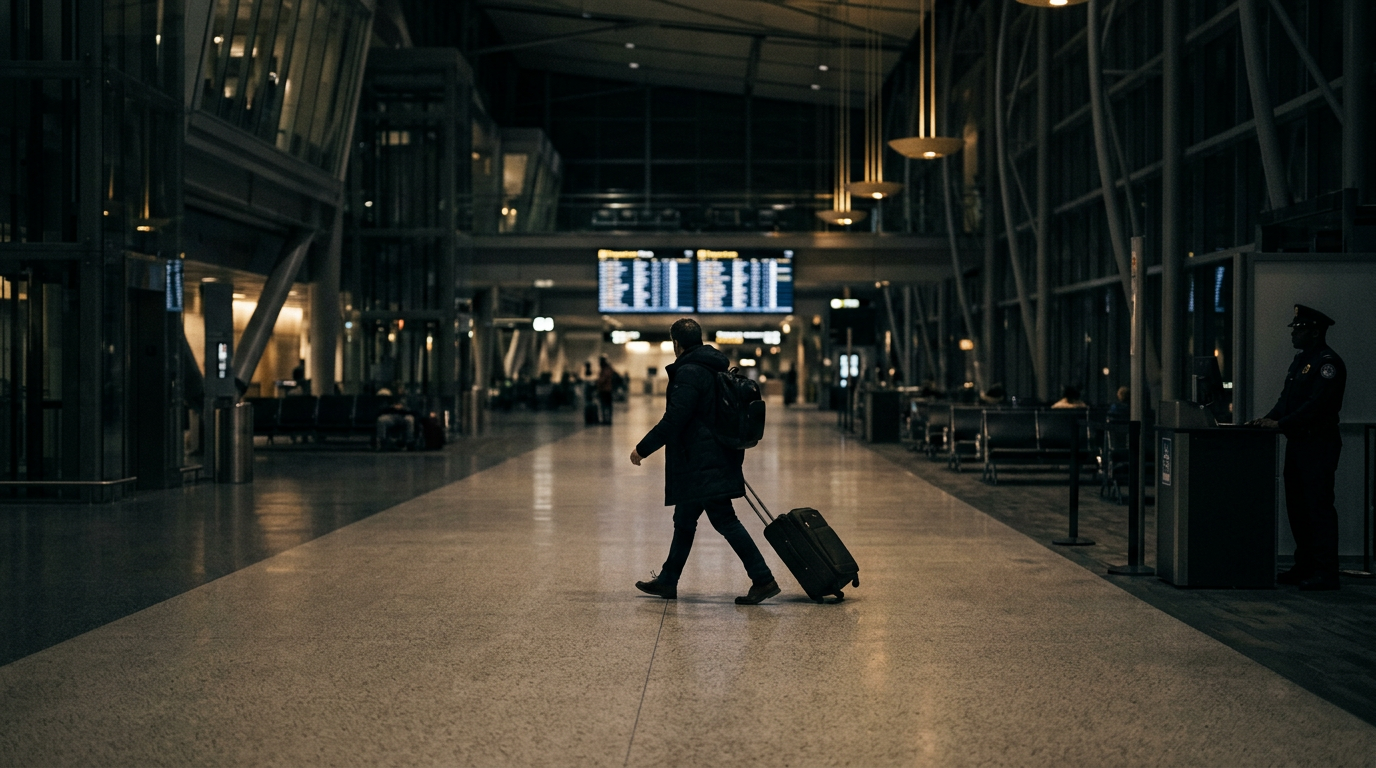
Open-source reporting over the past seven days points to a measurable shift in ground conditions across three regional transit hubs. The indicators are familiar individually — increased protest permitting, localised strike action affecting transport staffing, and a short-notice change to policing posture around one major interchange — but their convergence in the same operating window is what merits attention.
For advance teams, the practical read is straightforward: build additional time into route planning through the affected corridors, re-validate secondary routes that may themselves be affected by the same strike action, and treat published timetables as advisory rather than reliable for the next two weeks.
None of the indicators individually rises to the level of a stand-down recommendation. Taken together, they justify moving these corridors from routine to enhanced-planning status until the strike window closes.