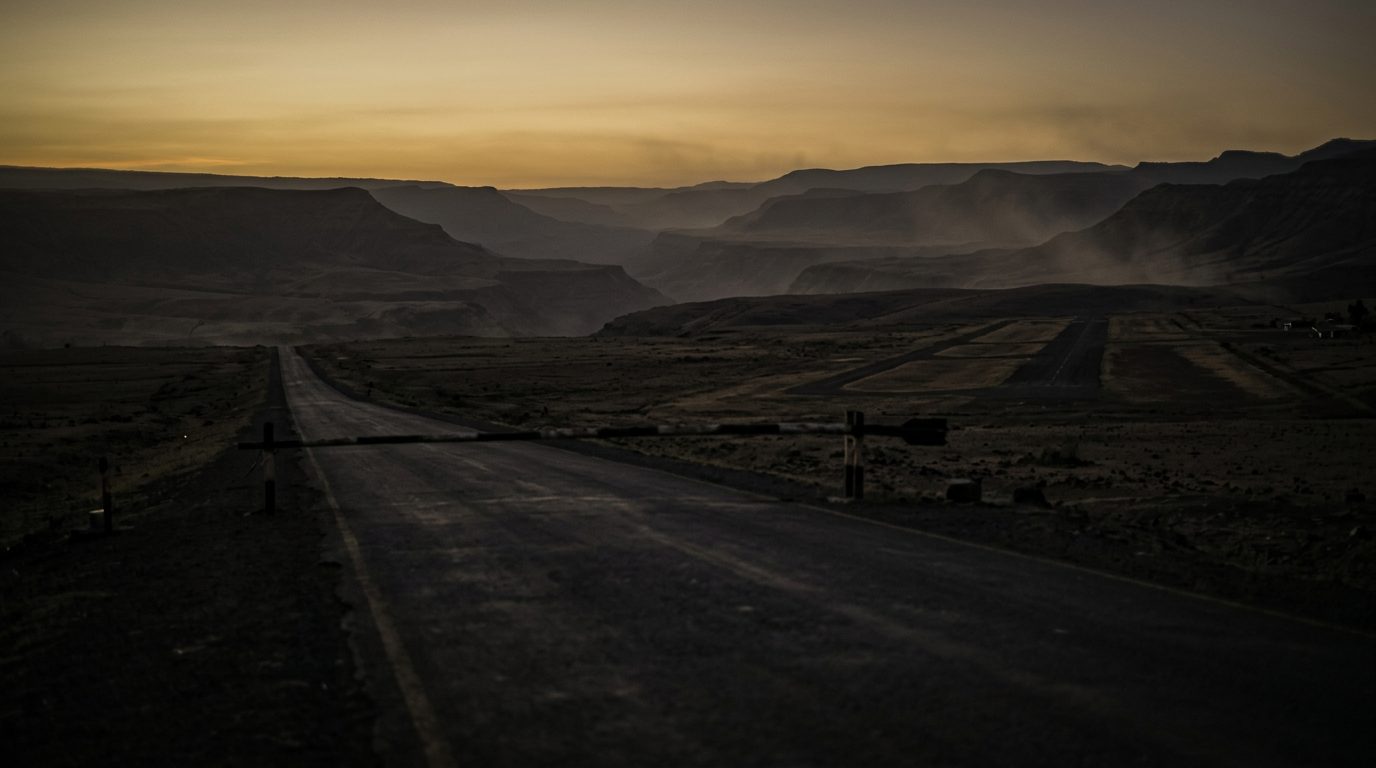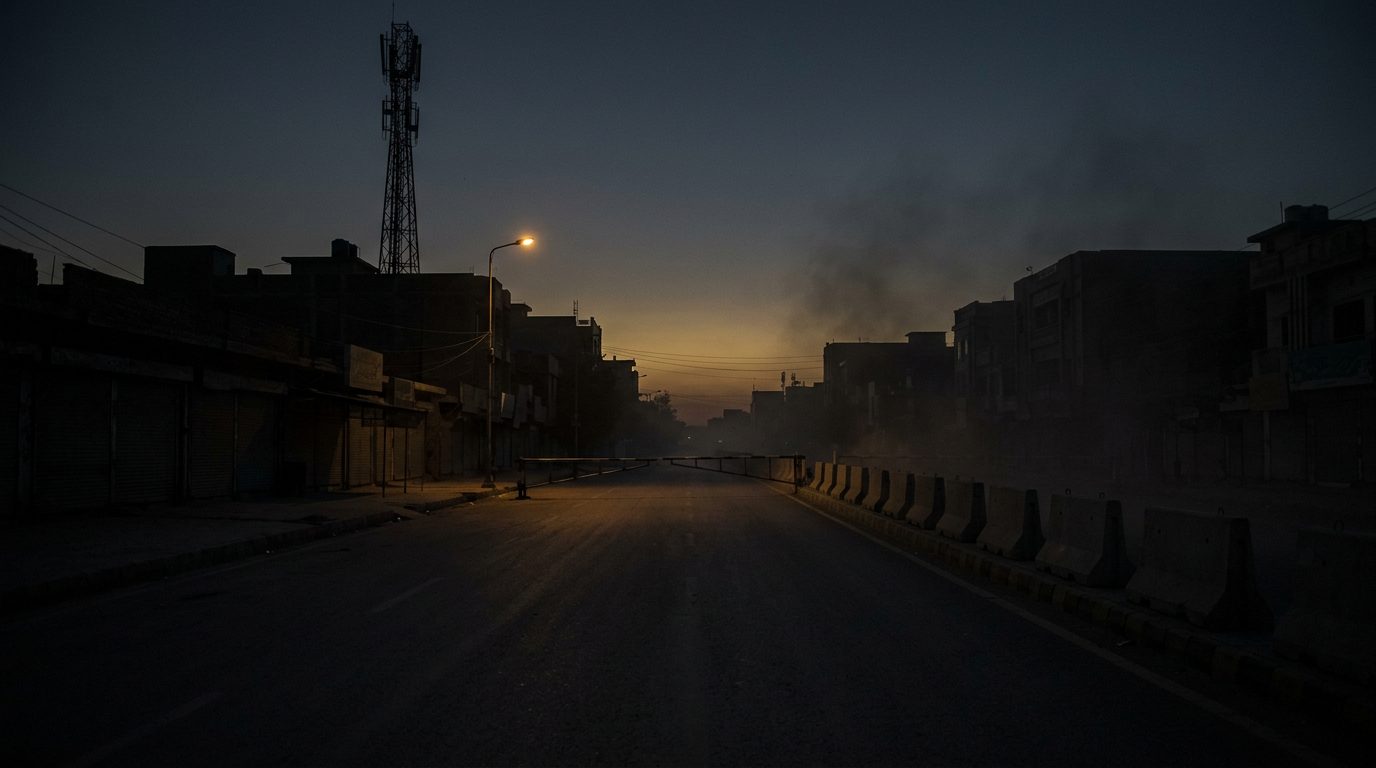
The FCDO widened its warning for Ethiopia's Afar region for the second time in a day on the evening of Thursday 24 September. It "now advises against all travel to the parts of Afar region within 20km of the border with Eritrea and within 50km of the Tigray-Afar border, and against all but essential travel to the rest of Afar."
That replaces the change published just after midnight on Thursday, which set those no-go strips at 10km and 20km. In under a day the buffer along the Tigray boundary has gone from 20km to 50km, the Eritrean border strip has doubled to 20km, and the remainder of the region has moved into the all but essential category.
The FCDO's regional page gives two reasons Afar matters on its own terms. It says "foreign nationals are currently unable to travel to airports in Afar regional state due to restrictions by the Ethiopian authorities", and that there are "irregular armed clashes between ethnic groups in Afar region and Somali Regional State, in particular along the main Addis Ababa to Djibouti road (A1) and the surrounding areas." Those attacks are described as sporadic and infrequent, but they "may involve roadblocks and vehicles being targeted."
The wider picture is unchanged from yesterday's report. The FCDO still advises against all travel to Tigray and to all of Amhara. It reports renewed clashes between Tigray People's Liberation Front aligned forces and the Ethiopian military, including reports of drone strikes, which "have increased in frequency since August 2026", and says flights to and from northern Ethiopia "could be suspended or cancelled at short notice."
For teams with work in or through Ethiopia, three things follow.
Anything in Afar now needs an essential-travel case. All but essential is not a ban, but it is a change in category, so check what your own travel policy and your insurer require before the next movement.
Road plans using the A1 towards Djibouti need checking against the new no-go strips, and the FCDO specifically flags clashes along that road. Build in the roadblock risk it describes, and do not rely on flying out of an Afar airport as the fallback, because foreign nationals currently cannot use them.
Two changes in one day is itself a signal. Treat the Afar advice as moving, check it before each movement rather than each week, and sign up for FCDO email alerts for Ethiopia if your team has not already.
Our Thursday lead covered the first change and the UN's statement on the new coalition of armed groups. Today's tradecraft piece looks at what the FCDO will and will not do for you if a place like this turns into a crisis.