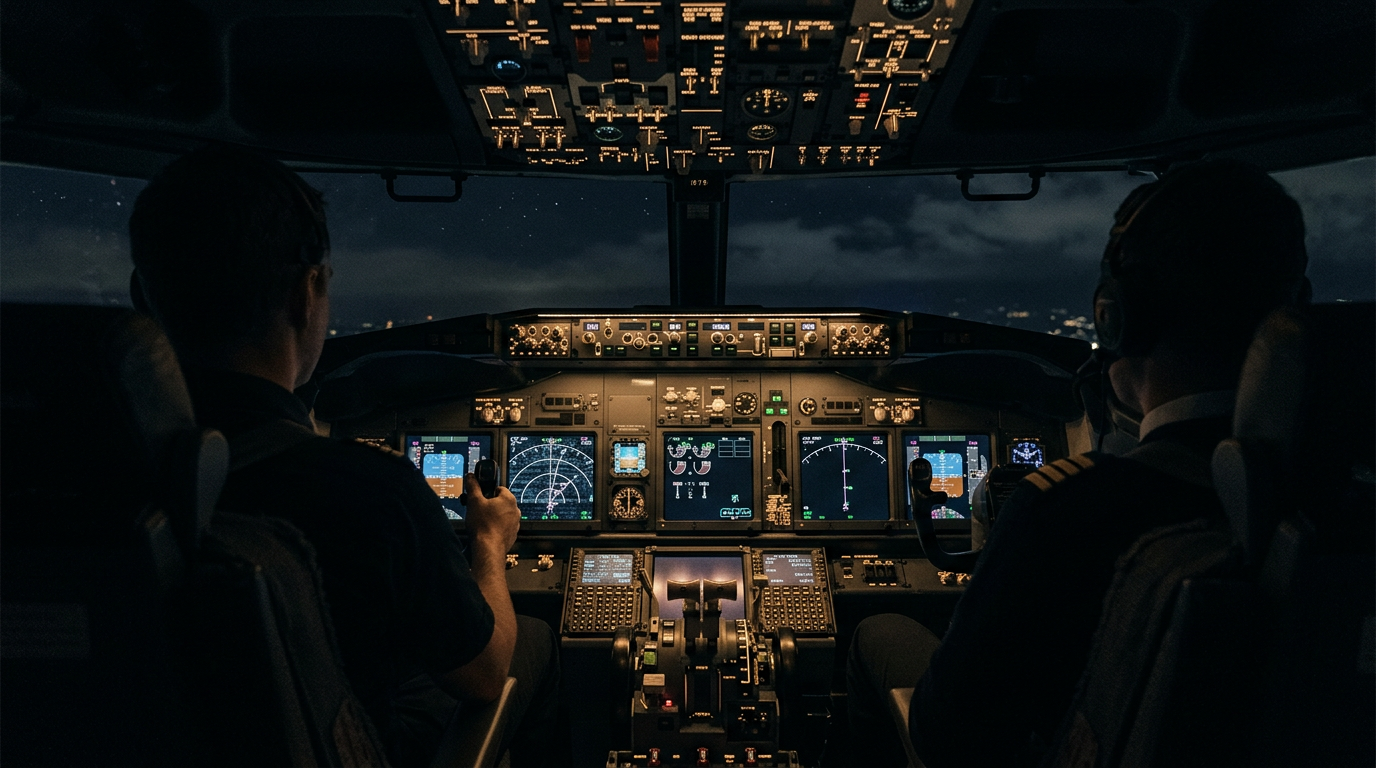
GNSS interference — jamming, which blocks the signal, and spoofing, which feeds a false one — has spread across a wide arc of airspace: the eastern Mediterranean and Black Sea, the Russia-Baltic region, the India-Pakistan border, Iraq and Iran, and the Korean peninsula. An EASA-IATA monitoring programme recorded more than 580,000 instances of GPS signal loss across roughly 18.4 million flights between August 2021 and June 2024, with operational disruption ranging from Finnair suspending flights to Tartu in Estonia to eastern Mediterranean aircraft spoofed hundreds of miles off course.
The regulators have moved. The FAA issued a heavily revised GPS/GNSS Interference Resource Guide in 2026 covering jamming and spoofing trends, the effects on aircraft systems, and recommended pilot procedures and training. EASA and IATA are running a joint programme to build a shared picture of interference events across Europe, following a June 2025 letter from 13 EU member states. A report to ICAO put it plainly: "the safety and security of civil aviation is being eroded by the continuing rise in cases of harmful and unlawful GNSS radio frequency interference."
Operator implication: if you run air movement or anything dependent on precision navigation, treat degraded GNSS as the baseline, not the exception — and that holds even where a ceasefire has calmed the shooting, because electronic warfare assets do not stand down with the guns. Brief crews on the FAA's interference procedures before departure, plan for navigation that may be unreliable through the listed corridors, and don't let a single navigation source become a single point of failure on a route plan.