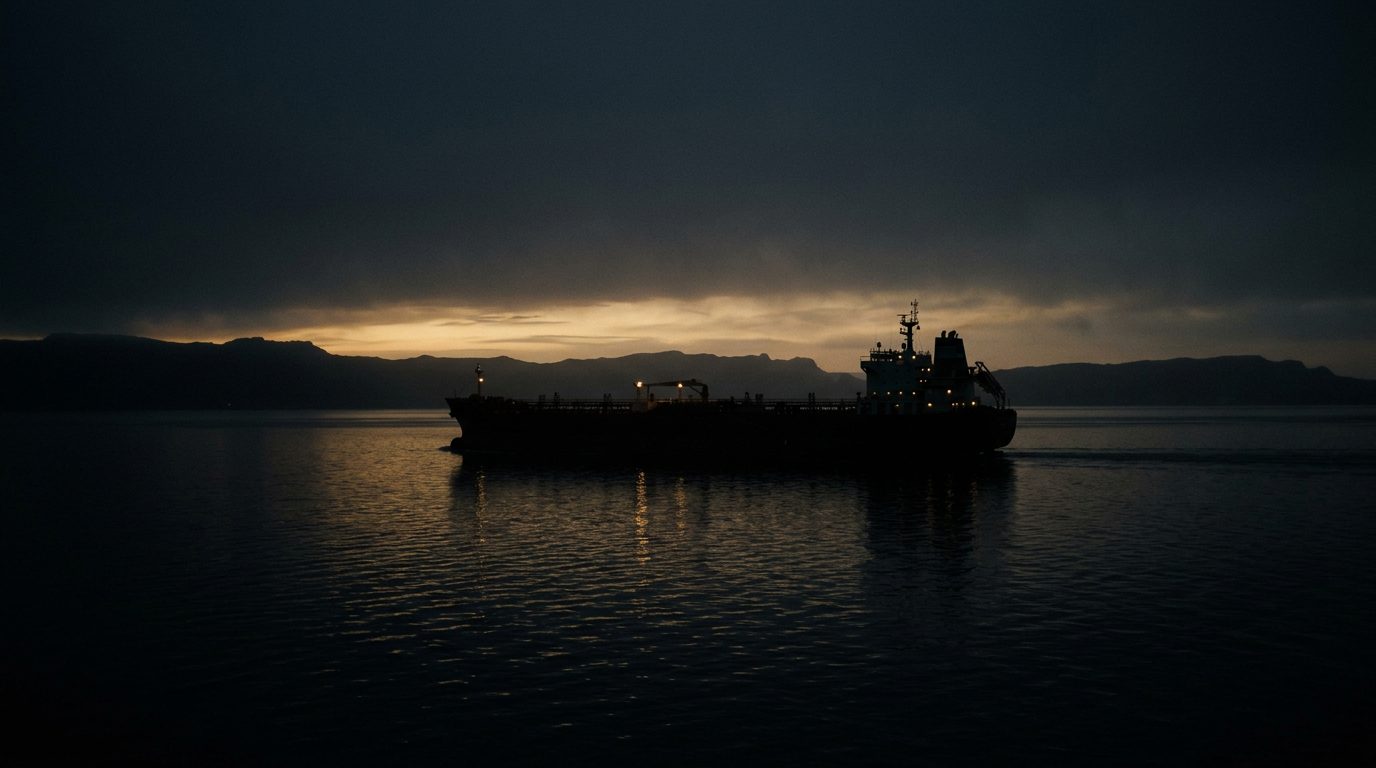
The leaders of the G7 have condemned "Iran's continued attacks against its regional neighbours and its disruption of international trade, energy security and the global economy", in a statement published on GOV.UK on Friday 2 October after a virtual meeting. They called "for the immediate and full restoration of navigational rights and principles in the Strait of Hormuz" and said they would redouble their collective efforts to that end.
The statement is framed around oil markets. It describes "unprecedented volatility in oil markets" and commits G7 members and partners to a coordinated release of 100 million barrels through the International Energy Agency (IEA), implementing commitments made in March 2026, starting immediately and running over four months, with a substantial diesel release in the first 20 days. It does not describe individual incidents or say how far shipping through the strait is currently restricted.
At the UN, China and Russia vetoed on 17 September a draft resolution that would have extended the panel of experts monitoring UN sanctions on Iran. The General Assembly debated those vetoes on 1 October.
What the FCDO says
The Foreign, Commonwealth and Development Office (FCDO) advises against all travel to Iran. Its advice says: "Since 8 July there have been strikes and retaliatory attacks by Iran in a number of locations across the region against US military and civilian infrastructure." It adds: "There is a risk of more attacks and unforeseen escalation in the region." The FCDO's Oman advice carries the same warning and names Oman among the locations. The Iran advice also states: "British and British-Iranian dual nationals are at significant risk of arrest, questioning or detention."
At sea, the FCDO's standing advice (its Iran pages were last updated on 13 August) lists the Gulf of Oman, the Northern Arabian Sea, the Persian Gulf and the Strait of Hormuz as waters where vessels may be at increased risk of maritime attack and harassment. It says: "Iran has repeatedly attacked commercial vessels in nearby waters with military drones." and "Vessels have also been seized and their crews detained in and around the Gulf of Oman and the Strait of Hormuz in recent years." It tells mariners to report to United Kingdom Maritime Trade Operations (UKMTO).
What it means for operators
When G7 leaders pair a call to restore navigational rights in Hormuz with a 100 million barrel stock release, the disruption is reaching markets as well as ships. For principals travelling in the Gulf, plan to the FCDO's practical line: be prepared for flight cancellations, periodic airspace closures and travel disruption. Build itineraries with alternative routings and dates that can move. Iran itself is a no-travel country under FCDO advice, and the detention risk to British and dual British-Iranian nationals is explicit. For maritime tasks in the Gulf of Oman and the strait, plan on drone attack and seizure risk, keep UKMTO reporting current, and check the FCDO pages before each movement.