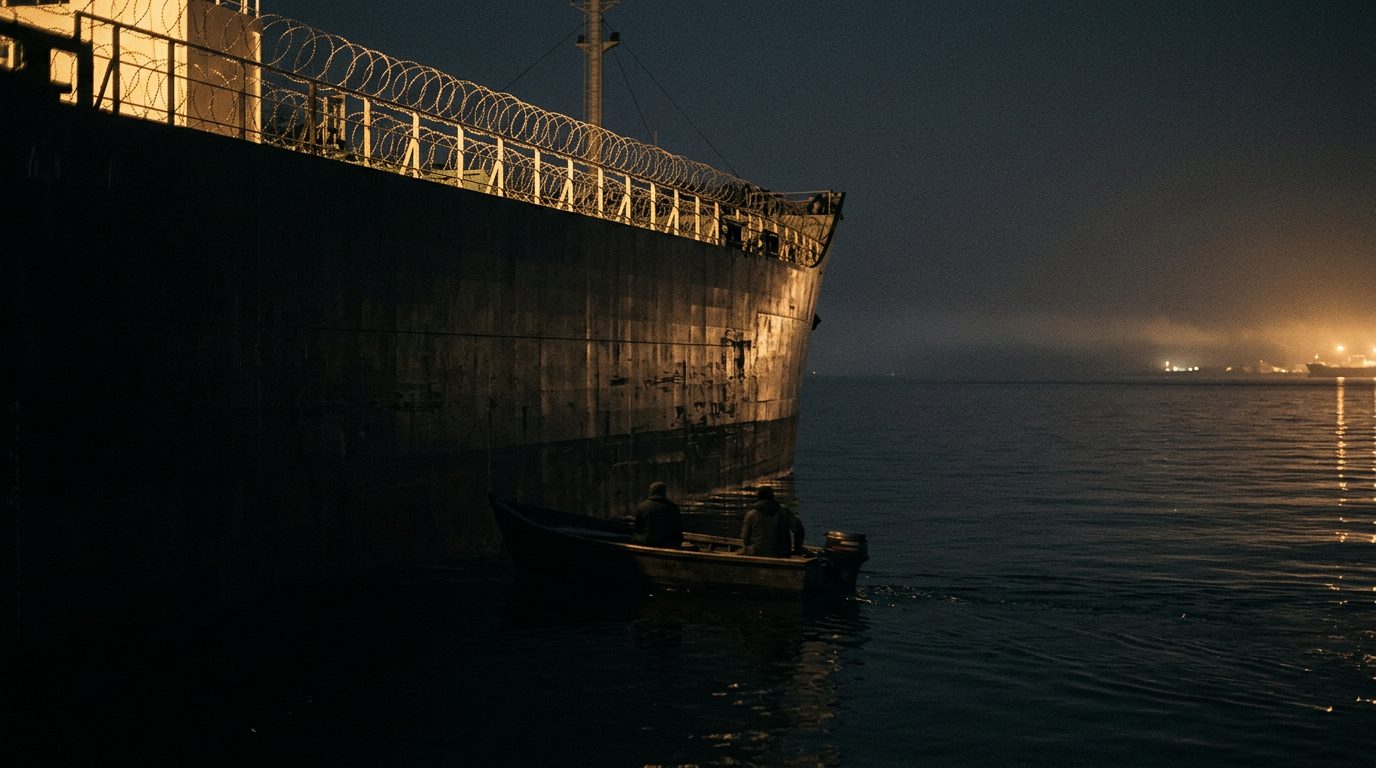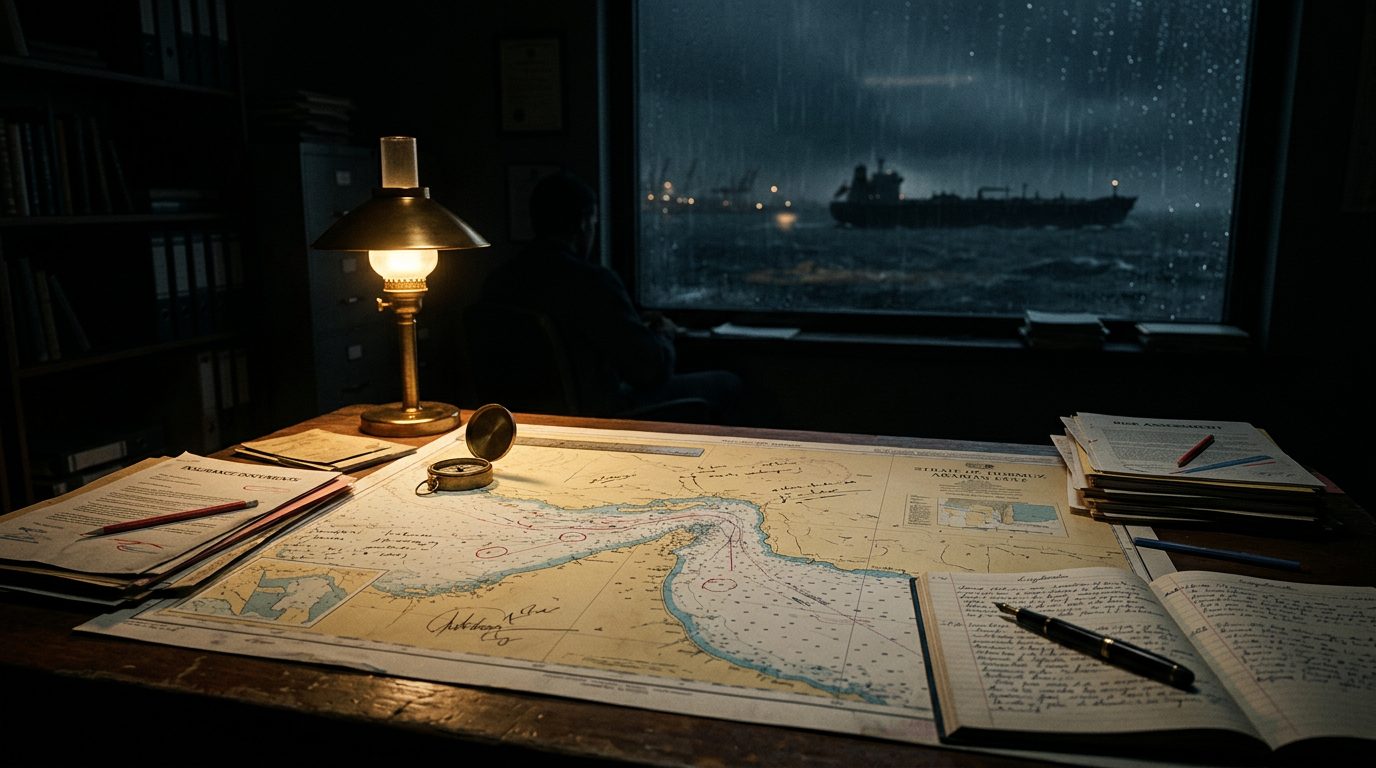
The Strait of Hormuz is carrying traffic again, but nothing like normal, and the ceasefire holding through Iran's funeral week does not change the economics that keep it that way.
On the water, open-source reporting from The National puts transits at between 30 and 70 vessels a day since early May, some crossing under US naval guidance and helicopter escort. A large share of the fleet has stayed put: the same reporting counted around 412 vessels trapped in the Gulf and roughly 100 container ships stuck.
The brake is not the water, it is the cover. War-risk premiums have run to between 3 and 8 per cent of a vessel's value, per Khaleej Times, which is three to eight million dollars for a single large-tanker transit, against about 0.25 per cent before the war. The National put the spike at roughly 4,000 times pre-crisis levels at its peak.
The premium is a verdict on the risk, not just the traffic. Underwriters have been explicit, per Khaleej Times, that they need clear evidence a single incident would not reignite the conflict before they cut rates, and that evidence does not exist yet. Until it does, the pricing holds.
Operator implication: treat Hormuz as open but expensive and reversible. For anyone advising on maritime movement, or with principals and assets tied to Gulf trade, budget for war-risk pricing that will not normalise quickly, keep routing and escort arrangements current, and assume a single incident re-closes the practical door even if the strait stays legally open.