The reopening of the Strait of Hormuz has been declared, but the market is treating it as a slow unwind rather than a switch. The constraint is no longer a closed waterway; it is cost, congestion and confidence.
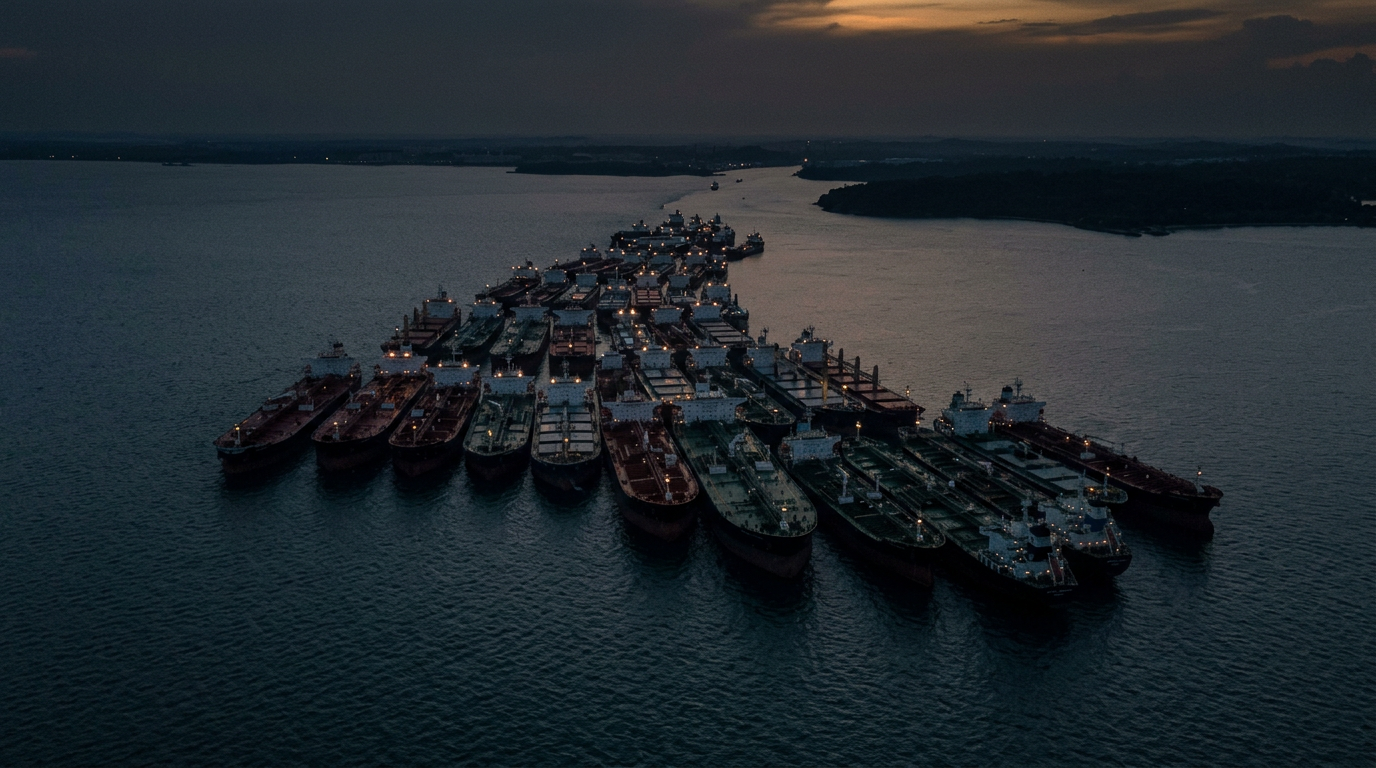
- **War-risk premiums have re-rated hard.** Open-source analysis cites premiums rising from around 0.25% of vessel value before the conflict to between 3% and 8% afterwards, which can add up to roughly $8m to the cost of moving a single tanker. Underwriters and shipping lines are taking a wait-and-see stance before treating transit as routine. - **The backlog is real.** Reporting in the first days after the announcement put more than 550 ships stranded on either side of the strait, with only a handful transiting initially. Oil tankers and LNG carriers are expected to get priority. - **Normalisation is measured in months.** One academic analysis estimates meaningful improvement in three to five months and full recovery in nine to twelve, drawing on the precedent that Suez traffic stayed around 60% below pre-crisis levels 100 days after the late-2025 Houthi ceasefire. Mine-clearance concerns alone could keep premiums elevated for up to six months.
**Operator implication.** If you support maritime, energy or expatriate-movement clients in the Gulf, do not stand the posture down on the headline. Expect routing decisions to stay conservative, port windows to slip, and crews to face degraded predictability for weeks. Keep contingency routing and accommodation options live, and brief principals that "reopened" does not mean "normal".