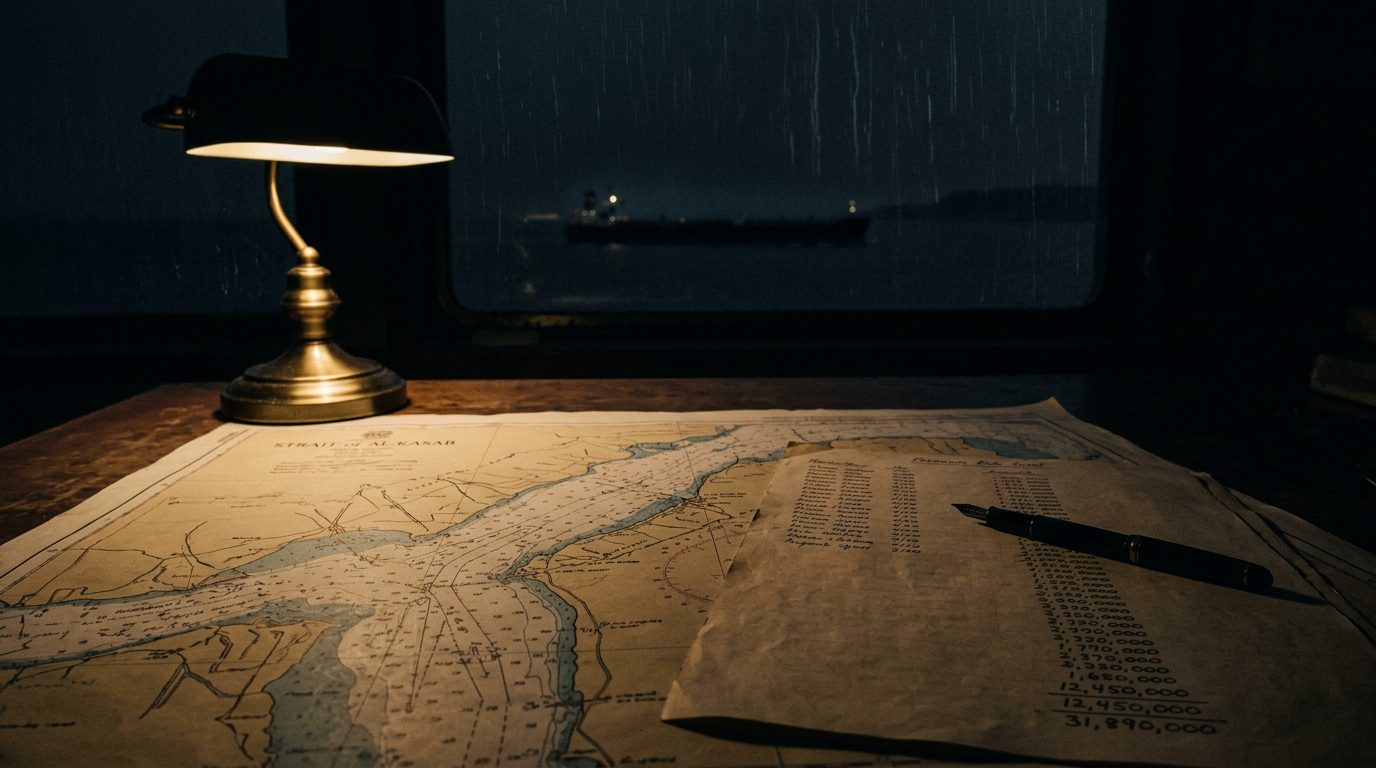
The war-risk market has repriced the Strait of Hormuz to a level that is reshaping who sails and who doesn't. Lloyd's List reports that premiums for seven-day war-risk cover in the Gulf are up roughly ten-fold on pre-conflict levels and have more than doubled in the past week, with underwriters now seeking anywhere from ten to fourteen million dollars to cover a single large-vessel transit.
As a share of hull value, quoted rates have swung through 2.5 to 5 per cent depending on the ship, with vessels carrying a US, UK or Israeli nexus charged a premium over others — in some cases around three times the rate for an equivalent hull. The headline, though, is the absolute cost: at these levels the insurance line alone can rival the freight economics of the voyage.
What the market is not doing is closing. The market's position, as set out by the Lloyd's Market Association, is that cover remains available in the Lloyd's and London company market, with the large majority of marine war participants still willing to underwrite Hormuz transits — and that ships are staying put because the risk to crew and vessel is judged too high, not because insurance has dried up. The International Maritime Organization has urged shipping to avoid the strait until crew safety can be assured, and transit traffic has fallen by roughly 90 per cent.
For the security industry, the economics are now driving the tasking. At eight-figure insurance costs per transit — stacked on top of the sanctions squeeze that closed the Iranian-oil wind-down this morning — owners are laying vessels up or rerouting long-haul around the Cape. That moves embarked-team demand away from short Hormuz escorts and toward extended transit security and layup watches, and it pushes day rates for competent embarked teams up with the underlying risk.
The read for providers: this is a demand shift, not a demand collapse. The work is changing shape faster than it is disappearing, and the firms that can crew hardened long-haul transits at short notice are the ones the market will pay for while the strait stays shut.