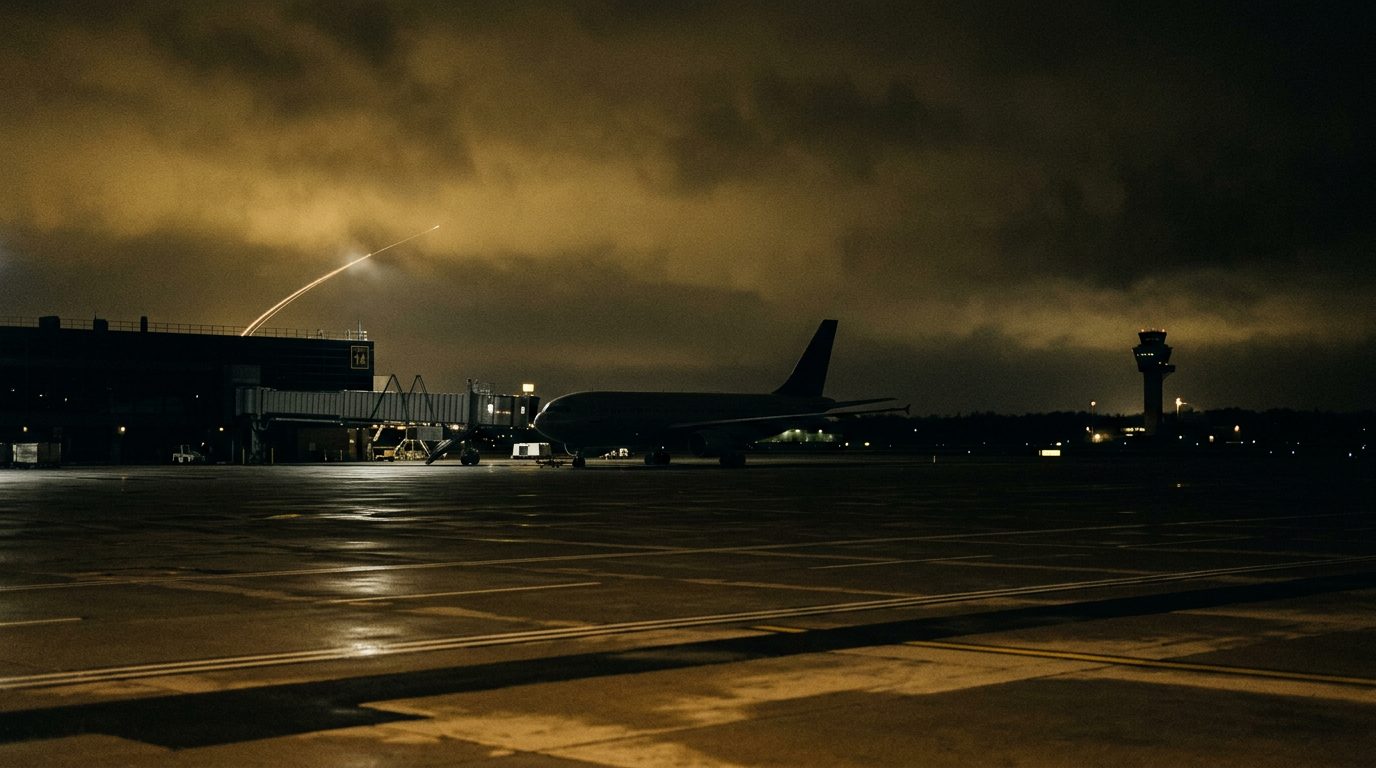
Wednesday's attacks on Kuwait and Bahrain change the calculation for anyone moving a principal by air through the Gulf. The threat now reaches airport-adjacent territory, not just the shipping lanes.
The baseline going into this week was already restrictive. As of reporting on 8 July, Kuwait's airspace remained closed to overflights, with only approved arrivals and departures permitted, and European regulators kept standalone advisories in place telling operators not to fly over Iran, Iraq and Lebanon because of military activity. The main Europe to Asia reroutes run either south via Egypt, Saudi Arabia and Oman or north over the Caucasus, both adding flying time and fuel. Complete GPS loss has been reported on some Gulf arrivals and departures.
Against that, the commercial carriers have held up better than many expected. As of mid-July the major Gulf airlines had kept most of their networks running. On Monday, Dubai International reported around one per cent of services cancelled and twelve per cent delayed, disruption rather than shutdown. The industry line is blunt: airlines will not operate unless the relevant authorities assure them it is safe to do so.
The read for operators: a scheduled Gulf carrier flight is not the same risk as a private movement through contested airspace, but with Kuwait under direct attack that closure is unlikely to ease soon. Build in schedule slack, confirm airspace and diversion status the day of travel, brief crews and principals on air raid procedures, and keep an alternative routing ready.