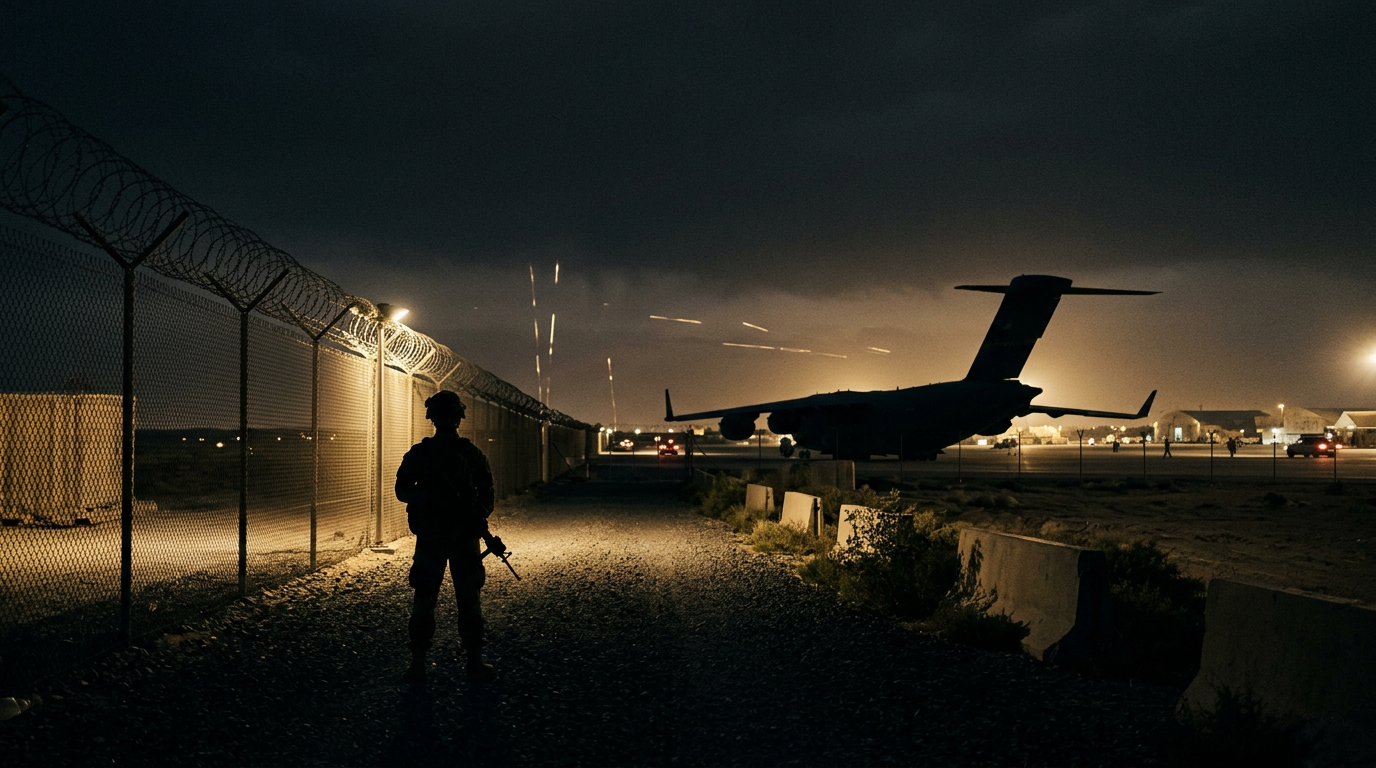
The confrontation in the Gulf has jumped from the shipping lane onto the territory of two states that host large expatriate, corporate and diplomatic populations. Open-source reporting indicates Iran's Islamic Revolutionary Guard Corps struck the US Ali Al Salem airbase in Kuwait and the US Fifth Fleet's base at Port Salman in Bahrain on 28 June, using ballistic missiles and drones. The IRGC said it targeted eight US military installations.
The strikes were retaliation. A day earlier, CENTCOM had hit around ten Iranian military locations near Sirik, Bandar-e Lengeh and Qeshm Island, itself a response to the 27 June drone strike on the crude tanker Kiku in the Strait of Hormuz. It was the third round of US strikes in three weeks.
Both Gulf states condemned the attacks on their soil. Bahrain said they violated its sovereignty and undermined 'opportunities for de-escalation and stability in the region'; Kuwait denounced the 'repeated heinous Iranian aggressions'. Tehran, for its part, did not attend Sunday's scheduled technical talks, citing unmet conditions including access to unfrozen funds, and maintains the Strait is under its 'total oversight and management'.
President Trump's line hardened again: 'There may come a point when we are no longer able to be reasonable, and will be forced to militarily complete the job that we very successfully started.' The 17 June memorandum of understanding, and its 60-day window for reopening commercial traffic, is now the argument rather than the settlement.
Operator implication: treat Kuwait, Bahrain and the wider western Gulf as an active conflict environment, not a transit hub. Missile and drone salvoes into these states put airspace, airport operations and ground movement directly in scope, and the collapse of Sunday's talks points to escalation, not stabilisation. For anyone moving principals, crews or families in the region, keep evacuation cover, airspace- and airport-closure contingencies and shelter protocols live, and plan for disruption at short notice.