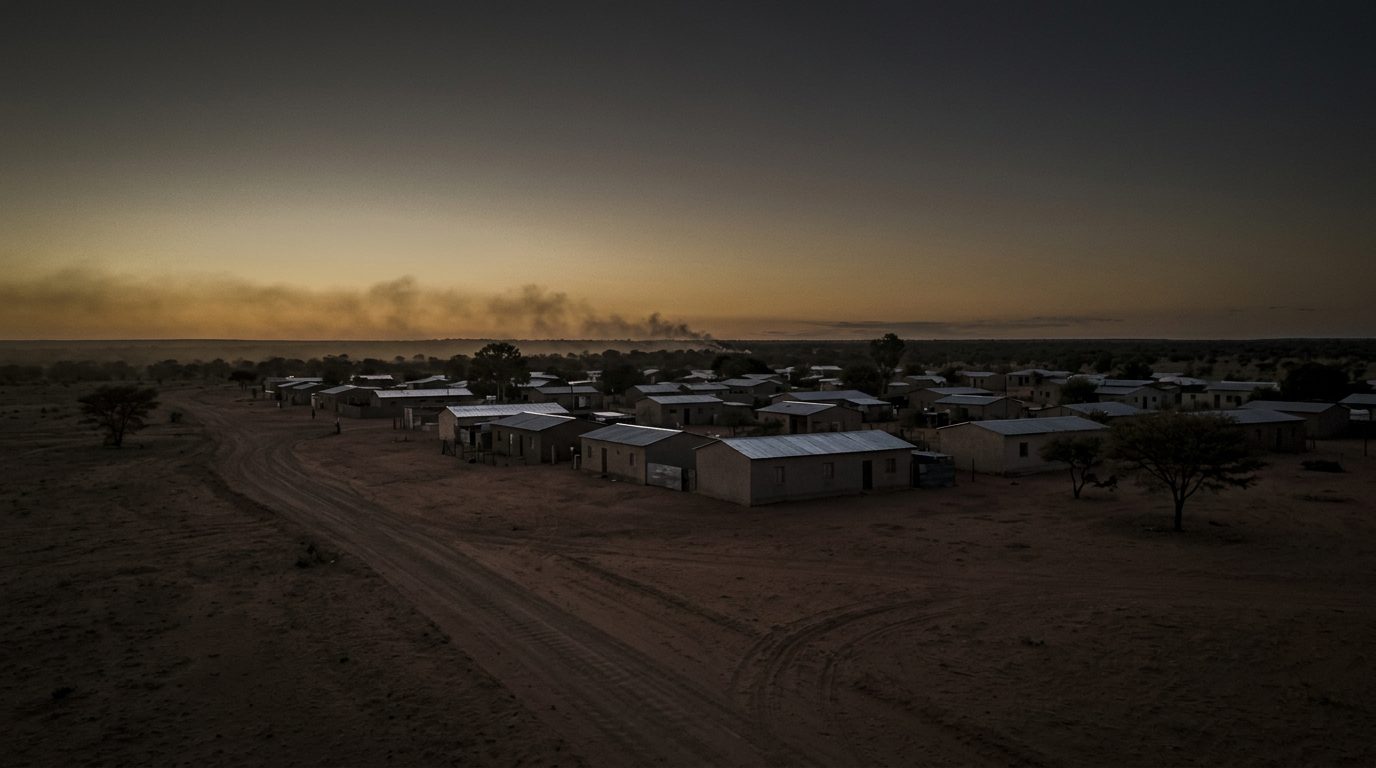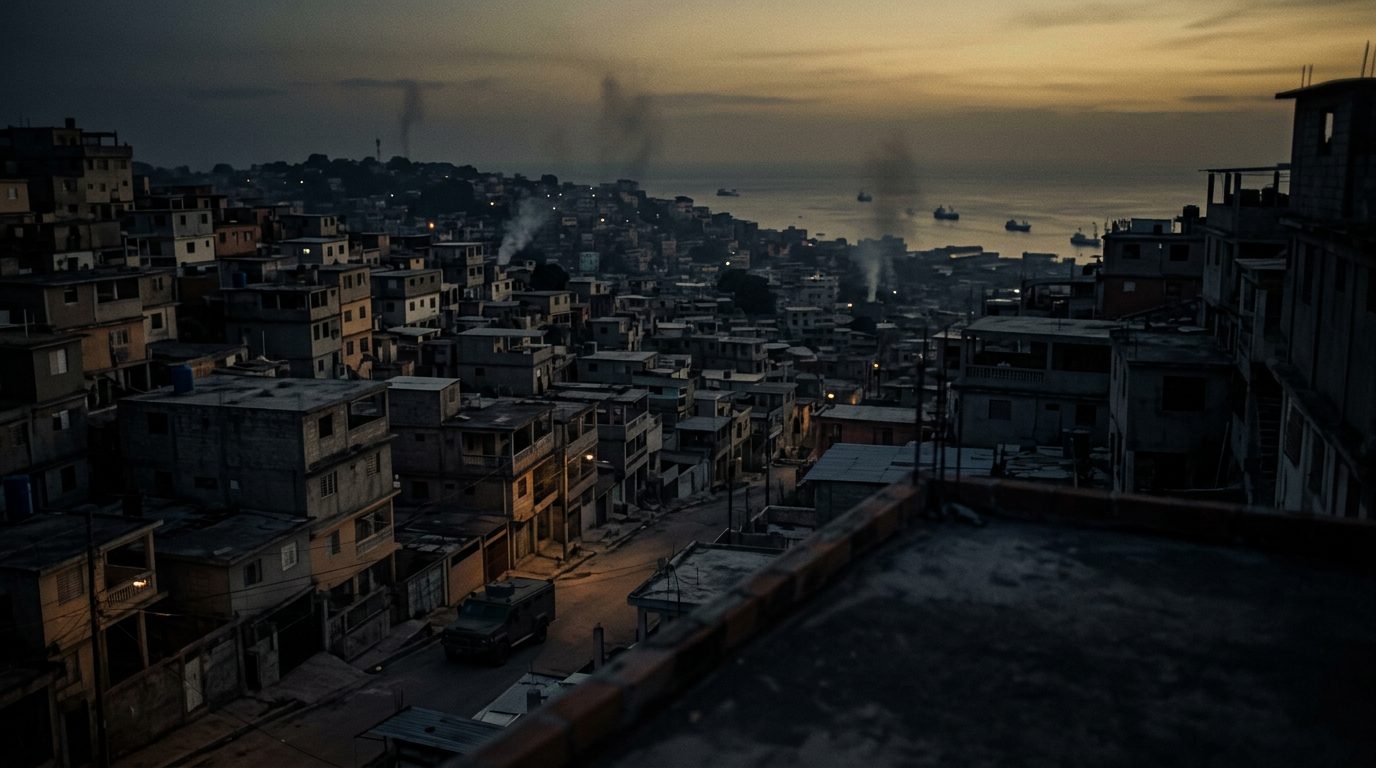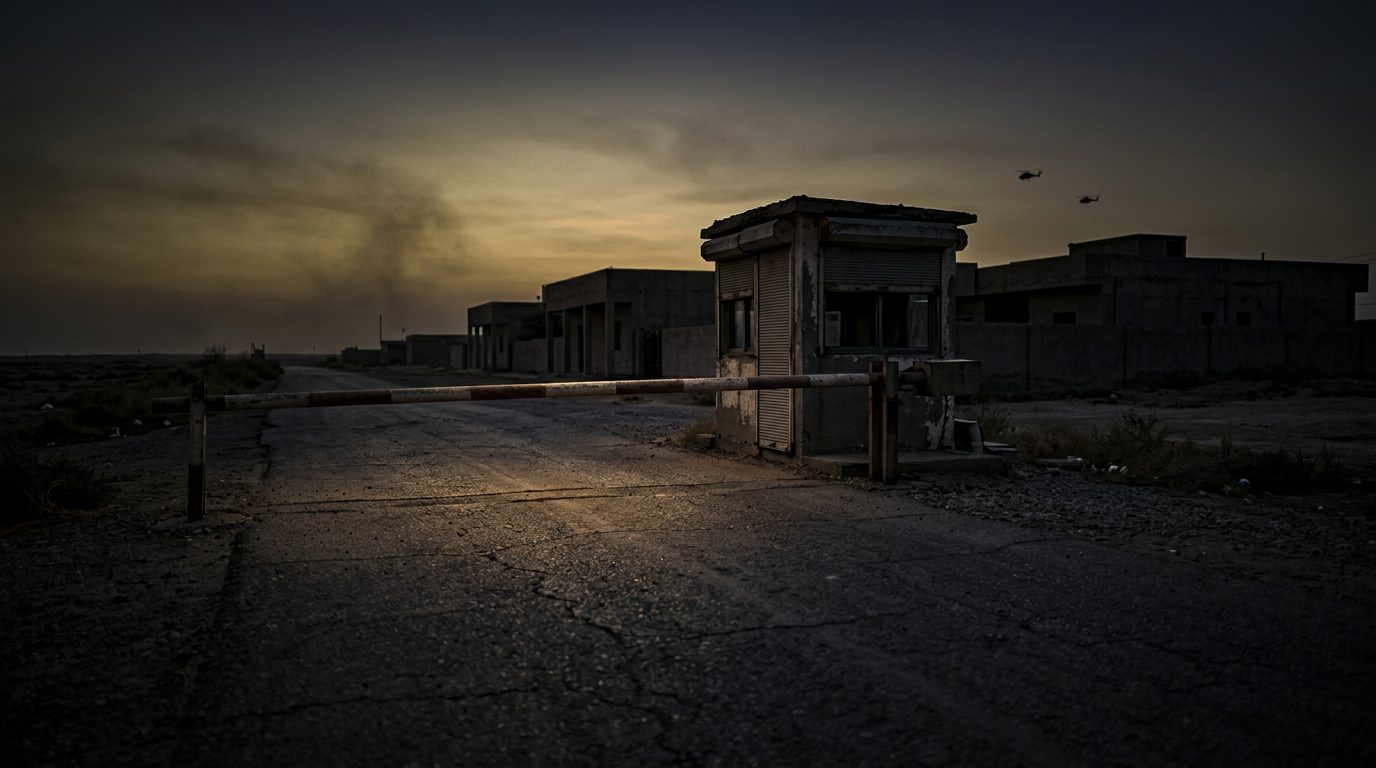
The Foreign, Commonwealth and Development Office advises against all travel to a wide band of Lebanon, a position it last reviewed on 10 August and which remains in force today. The all-travel exclusions now cover the South and Nabatiyeh Governorates, the southern suburbs of Beirut including Haret Hraik and Burj Al Barajneh, and all twelve Palestinian refugee camps. A wider ring, taking in East Tripoli and parts of the Beqaa and Baalbek-Hermel Governorates, carries advice against all but essential travel.
The wider picture explains the caution. National authorities report more than 4,300 people killed and 12,200 injured in Lebanon since 2 March, figures the UN carried on 3 August. A conditional ceasefire agreed on 17 April has not settled the ground: in a single Thursday-to-Sunday window UNIFIL peacekeepers logged 125 air violations and more than 418 hours of overflight. The FCDO puts it plainly in its own review: a cessation of hostilities was announced in June, but fighting and airstrikes have continued, particularly in southern Lebanon, where an Israeli military presence remains. Seven UNIFIL peacekeepers have been killed since 2 March, the Security Council noted in June.
For a protective team the operational read is narrow and firm. Treat the southern governorates and the southern Beirut suburbs as hard exclusions. The FCDO advises anyone remaining in Lebanon to be ready to shelter in place for several days, with food, water and medicine held at the place of stay, so contingency stock at the residence belongs in the plan from the outset. And because the strikes are outpacing the ceasefire, airspace-violation reporting is the leading indicator worth watching, ahead of any political statement that the fighting has stopped.