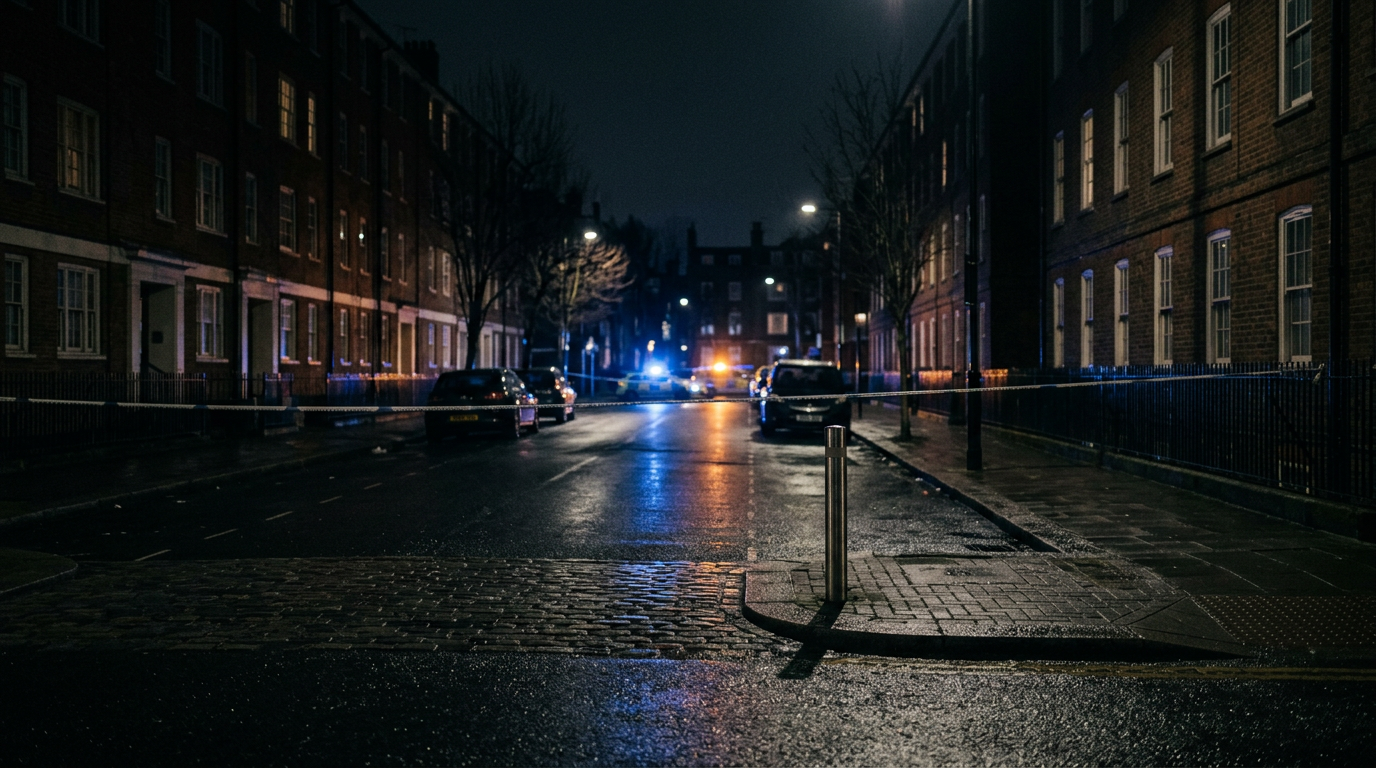
A gunman opened fire in Montreal's Côte-des-Neiges neighbourhood on Monday 22 June, killing a Montreal police officer and a civilian. The suspect was also killed. A second officer was critically wounded and later stabilised.
Officers had responded to a report of shots fired — a firearm protruding from an upper-floor window — and exchanged fire on arrival. The city police chief said the suspect had been "neutralised" and urged the public not to run ahead of the facts; police had not, at the time of reporting, formally classified the attack or confirmed any wider network. Open-source reporting indicates the attacker left a long manifesto framed around incel ideology and hostility toward police, women and Jewish people, and that the early read on the target was the police rather than the community. Treat the motive framing as press reporting, not a settled police conclusion. The civilian killed was a member of the local Jewish community; the attack happened in a visibly Jewish neighbourhood.
- **The profile is the familiar one.** A single attacker, an ideological grievance set, a uniformed responder hit in the opening seconds of contact, and a setting that carries its own meaning. That is the lone-actor model close-protection teams already plan against — low signature, no useful warning window. - **For operators:** motive here is not yet established, but the backdrop is. The threat to Jewish and Israeli-linked targets sits behind the UK's current SEVERE level (see today's threat-level brief), and it does not stop at a border. For principals with a public or communal profile, this reinforces surveillance detection and hostile-reconnaissance awareness around residences, places of worship and predictable routes; for anyone in a protective role, the danger is concentrated in the first moments of an encounter.