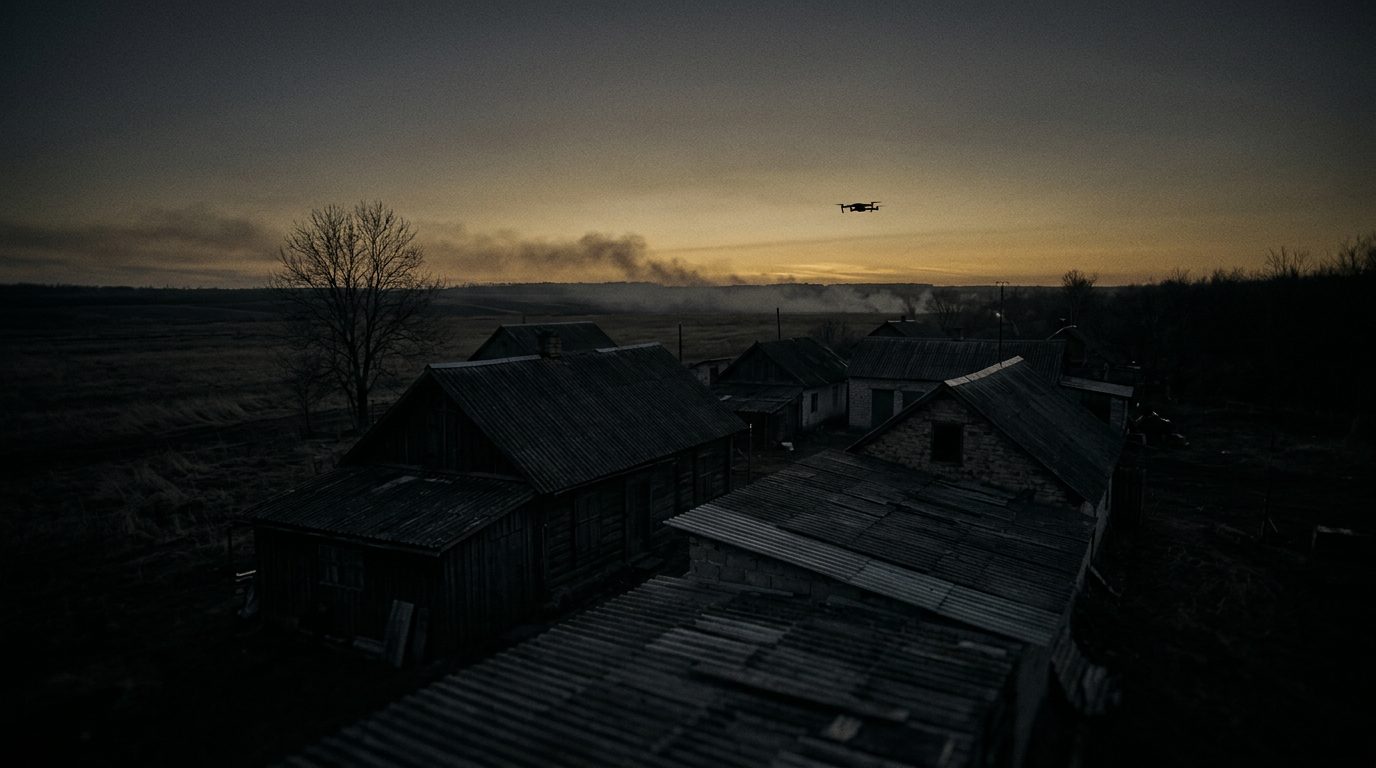
The Independent Investigative Mechanism for Myanmar, the UN body collecting evidence of serious international crimes there, published its annual report covering July 2025 to June 2026. UN News reported on 11 August that it documents deliberate attacks on civilians, including airstrikes on homes, schools, medical facilities, religious buildings and displacement camps. The report notes that the military's growing use of motorised power gliders and drones has made attacks harder for civilians to see coming, cutting the time people have to flee or find shelter.
The mechanism's head, Nicholas Koumjian, said of the pattern that, in his words, there are many airstrikes targeting and hitting schools, that children are often the victims of these airstrikes, and hospitals as well. That fits the current travel picture. The FCDO advises against all travel to the conflict regions, including Sagaing where much of the air activity is concentrated, and describes the conflict as increasingly volatile with the security situation liable to deteriorate at short notice. The FCDO page was last updated on 4 August, with a change note flagging new information about drone use.
The operational point for protective teams is the shrinking warning window. An air threat that is quieter and lower removes the acoustic and visual cues a team uses to react, and the targets described are fixed civilian structures, accommodation, clinics and places of worship, not only front lines. That means overhead threat has to be planned for at static locations, not just on the move. Weight overhead exposure and hardened cover in site selection, brief that the time between first detection and impact may be very short, keep a rehearsed take-cover drill for any fixed site, and avoid clustering people at the kinds of civilian buildings the report says are being struck.