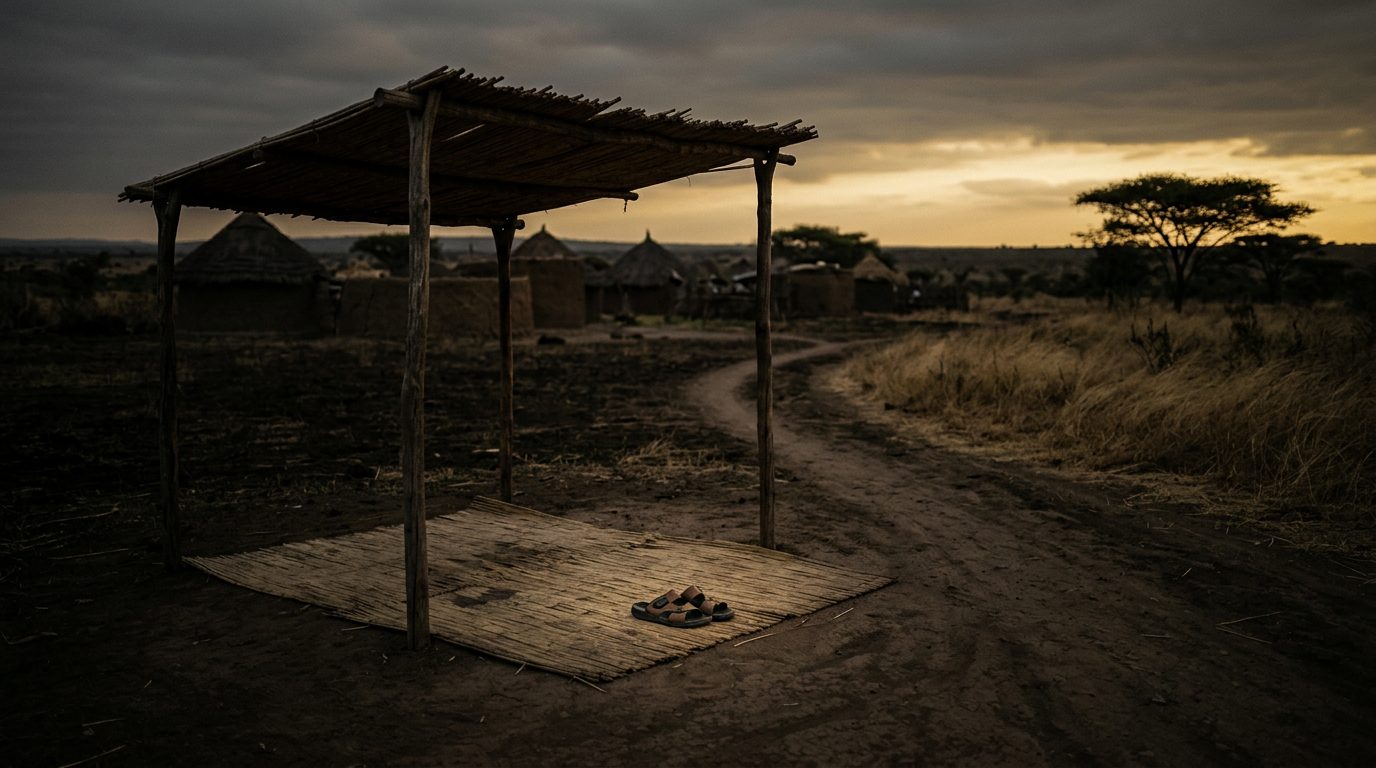
Gunmen attacked villages in the Borgu area of Niger State, north-central Nigeria, and abducted worshippers from a mosque during Friday prayers on 21 August 2026. The scale is officially unconfirmed and the reported figures vary widely: local reporting ranges from dozens to, in a kidnappers' video circulated two days later, as many as 600, while the Niger State government has said the total is yet to be ascertained. We are not printing a single casualty or abduction figure we cannot stand behind. What is clear is that the attack happened, that it targeted a place of worship at a predictable time, and that the response is now a national rescue operation.
The Foreign, Commonwealth and Development Office already advises against all but essential travel to Niger State, so any team operating there is on elevated protocols. But the FCDO's Nigeria advice was last updated on 20 August, and its change note concerns "IVF, fertility treatment scams and overseas adoption", not this attack. The advisory has not yet caught up with the event. The highest FCDO warning, advise against all travel, currently covers Borno, Yobe, Adamawa, Gombe, Katsina and Zamfara states, plus the riverine areas of Delta, Bayelsa, Rivers, Akwa Ibom and Cross River. Niger State sits one tier below that, which is precisely the exposure a mass abduction on this scale reframes.
President Bola Tinubu ordered the Armed Forces, the Nigeria Police Force, the Department of State Services and other security and intelligence agencies to launch a coordinated rescue, and reporting indicates the operation began on 26 August. That a rescue of this size is being mounted days after the event, in a state the FCDO already flags, is itself the operational signal: a state security response in rural north-central Nigeria is neither fast nor assured.
For close protection, the read is straightforward. Kidnap-for-ransom and mass abduction remain the dominant threat class across northern and north-central Nigeria, gathering points at fixed religious timings are being targeted, and the paper advisory is a floor rather than a live picture. Any principal movement through Niger State or its neighbours should treat rural and overland routes as high exposure, build kidnap contingency and communications-loss planning into the itinerary, and not rely on a timely state response. Confirm the current FCDO posture at movement-planning stage rather than from a page that may lag the threat by days.