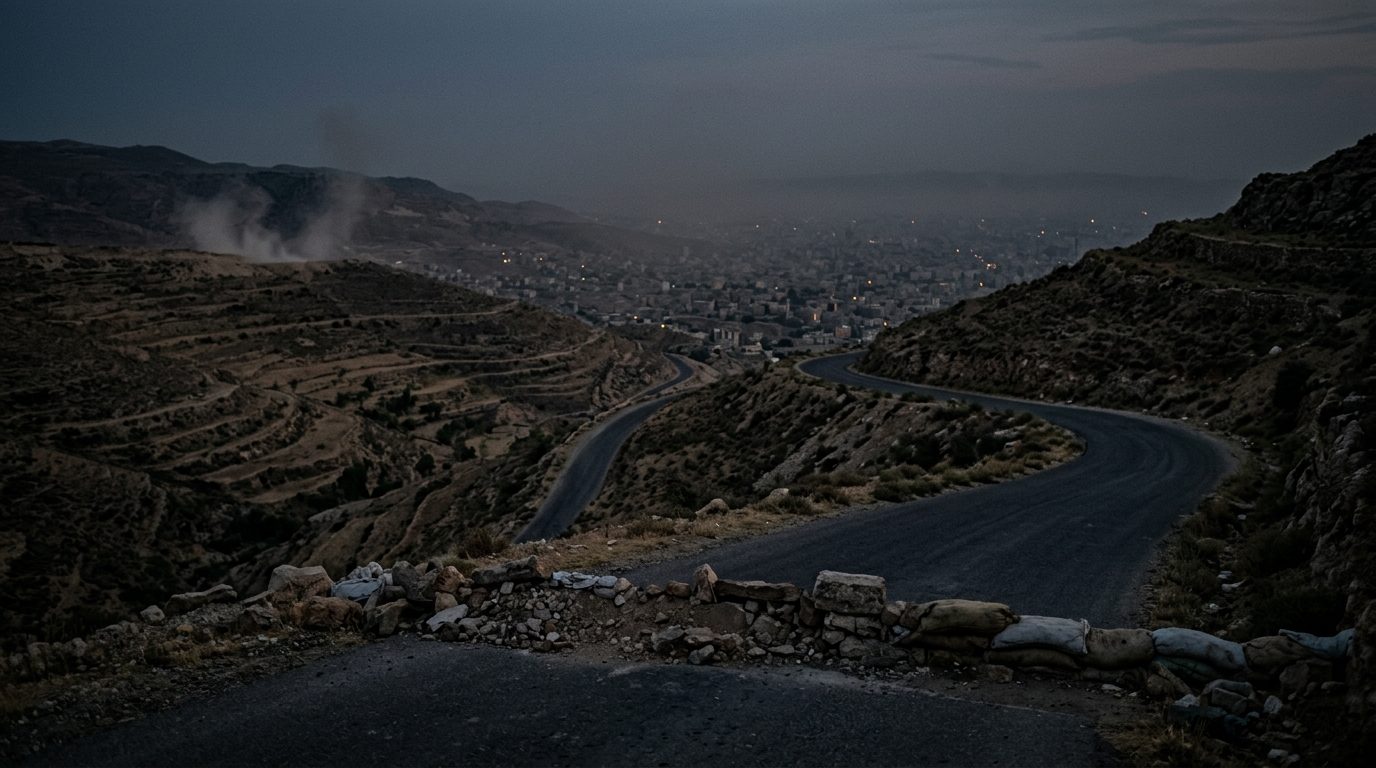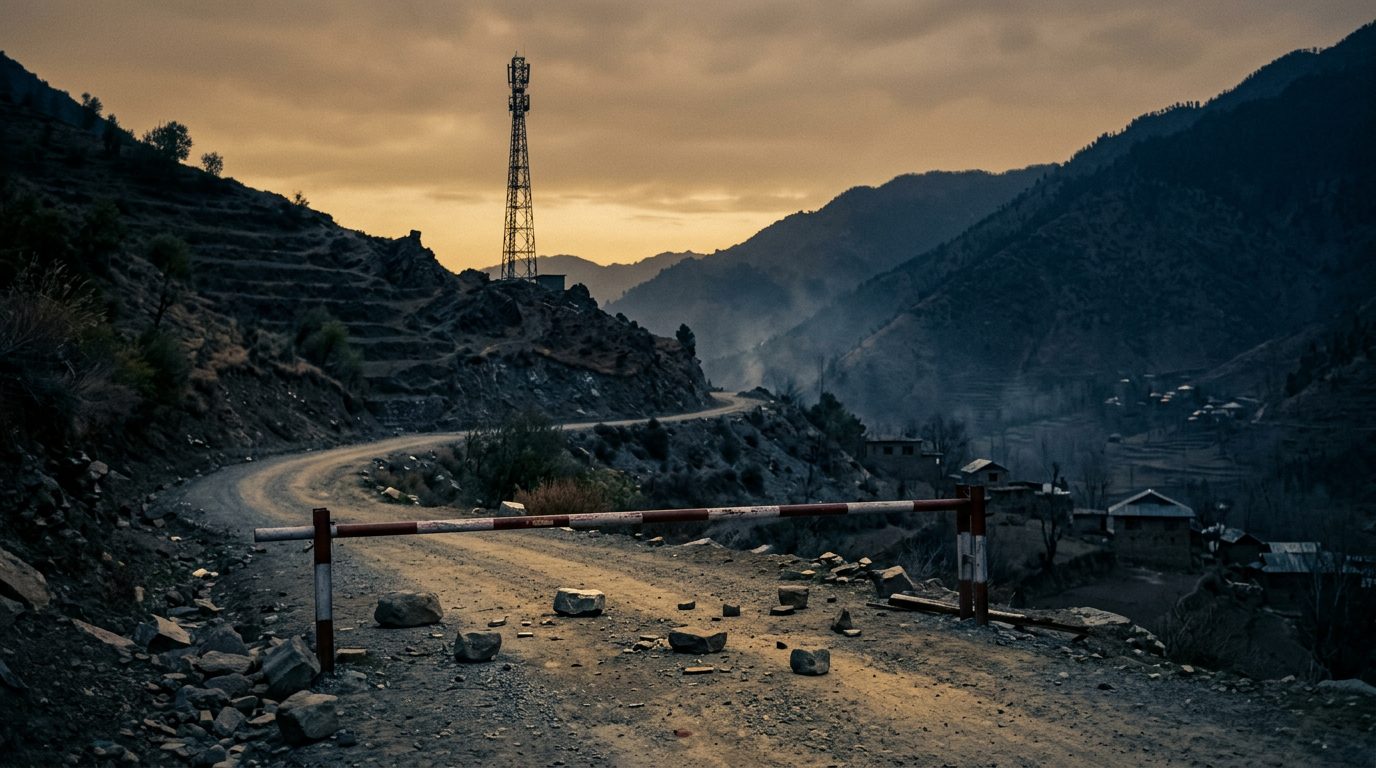
The FCDO's current Pakistan travel advice, last updated 7 August 2026, warns of demonstrations in areas of Pakistan-administered Kashmir known locally as Azad Jammu and Kashmir. Per the advisory, these have led to road closures and severe travel disruption, suspension of mobile and internet services, and clashes between protesters and security forces with reports of injuries and loss of life. The FCDO advises against all but essential travel to Azad Jammu and Kashmir, and against all travel within 10 miles of the Line of Control.
That sits on top of a hostile-area baseline. The FCDO advises against all travel to Balochistan and to large parts of Khyber Pakhtunkhwa, and states there is a high threat of terrorism and sectarian violence throughout Pakistan, with Balochistan, Khyber Pakhtunkhwa including Peshawar, and Quetta suffering regular attacks. Groups it names as operating in the country include Tehreek-e Taliban Pakistan, Balochistan separatists and Islamic State Khorasan Province. Incidents behind that posture include the Balochistan Liberation Army's hijacking of the Jaffar Express in March 2025 and coordinated separatist attacks across Balochistan in early 2026.
The FCDO warns of a kidnap threat throughout Pakistan, particularly within Khyber Pakhtunkhwa and Balochistan, and states British nationals are seen as legitimate targets, including tourists, humanitarian aid workers, journalists and business travellers. For an operator, the Kashmir comms suspension is the sharpest current change: it degrades tracking, reach-back and emergency comms exactly where movement is already disrupted, so a monitoring posture there should move toward contingency and extraction planning. The 10-mile Line of Control band and the Afghan-border areas are hard route-planning lines. Vetted local drivers and fixers, low-profile movement and avoidance of Balochistan and the Khyber Pakhtunkhwa tribal belt remain the baseline.