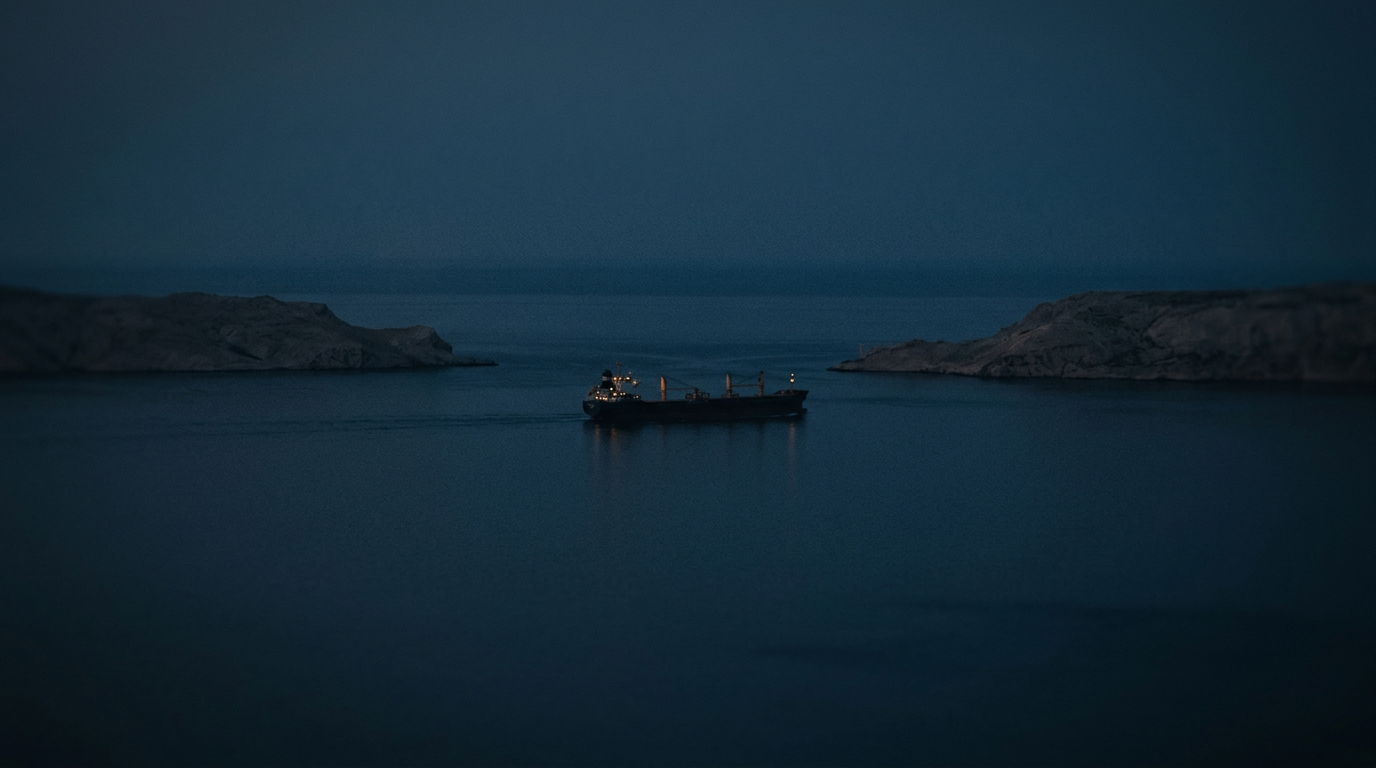
While the Gulf burns, the Red Sea has stayed calm, and that is worth stating plainly because it can flip. Per the UN Secretary-General's 9 June report, no new Houthi incidents occurred against merchant shipping in the 9 May to 9 June reporting period, and none have followed the 14 June Iran-US ceasefire. The last confirmed attacks on vessels were in the autumn of 2025.
The quiet is conditional, not resolved. The Houthis threatened on 8 June to resume targeting Israeli-linked vessels, and Iran's IRGC has warned of a coordinated regional response by aligned groups if escalation continues. The standing US MARAD advisory for the Red Sea, Bab-el-Mandeb, Gulf of Aden, Arabian Sea and Somali Basin remains in force.
At the UN, the monthly reporting requirement on Houthi attacks on commercial vessels runs to 15 July; the Security Council is expected to roll it forward again this month, a signal that the file is dormant rather than closed.
Operator implication: do not stand down on the current calm. The variable is the Gulf, and a sharp US-Iran escalation is the most credible trigger for a Red Sea resumption. Crews and teams on Red Sea transits should keep the standing hardening posture, UKMTO reporting, watchkeeping and Best Management Practices, in place, and treat any sudden Gulf spike as the leading indicator that Bab-el-Mandeb is about to reopen as a second front.