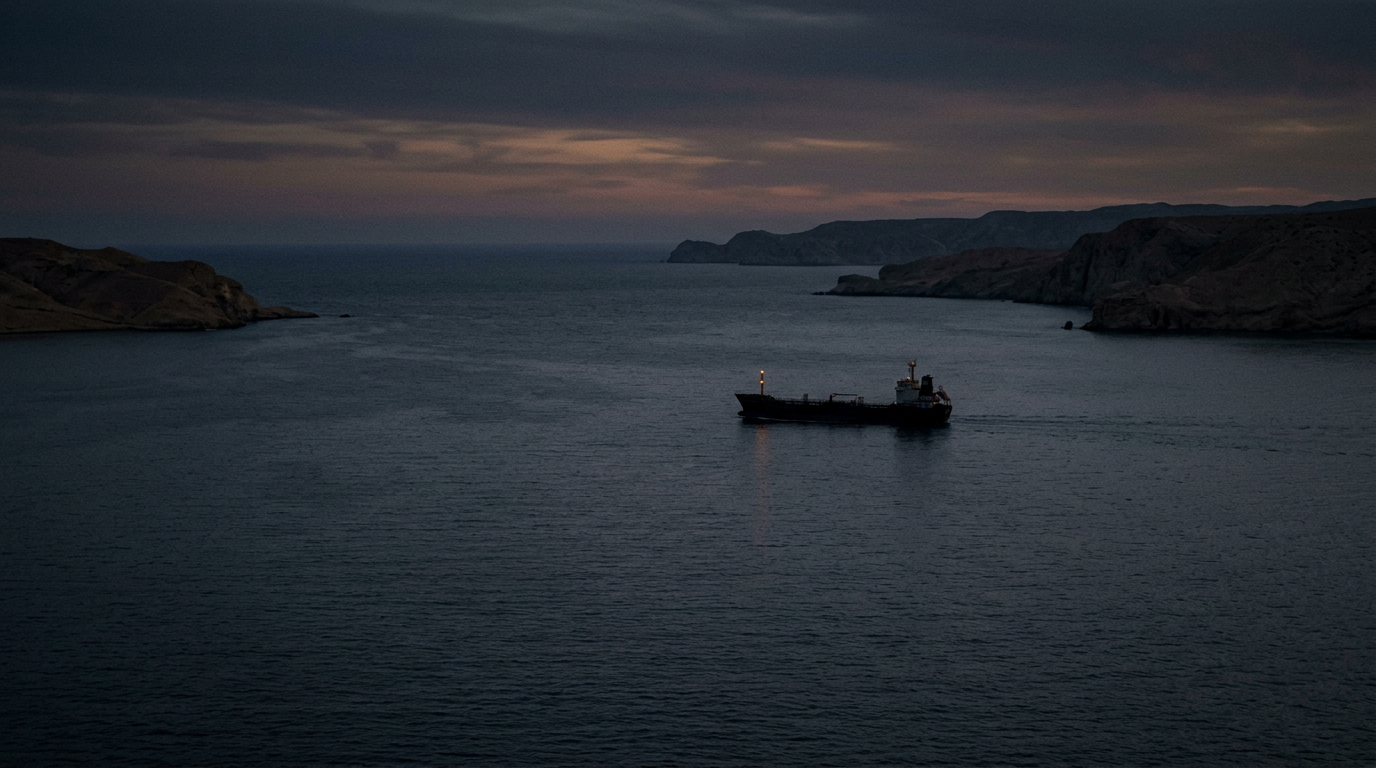
The Red Sea is the quietest it has been in two years, and that is not the same as resolved. Open-source reporting indicates the Houthis have not fired on a commercial vessel at any point in 2026; the last confirmed attacks were in 2025, on the Scarlet Ray on 31 August and the Minervagracht on 29 September.
The threat has not been withdrawn. On 8 June the Houthis threatened to resume targeting Israeli-linked shipping, following the onset of the wider Israel-US war with Iran. The standing MARAD advisory (2026-006) covering the Red Sea, Bab-el-Mandeb, the Gulf of Aden, the Arabian Sea and the Somali Basin remains in force.
At the UN, the reporting machinery is at a decision point. Resolution 2722, adopted on 10 January 2024, established a monthly reporting requirement on Houthi attacks; Resolution 2812 of 14 January 2026 extended that obligation until 15 July. The Council is expected to renew it this month, most likely for a further six months.
Operator implication: a pause is not a peace. The most plausible path back to attacks on shipping runs through the Gulf — a sharp US-Iran escalation, of the kind the Hormuz standoff keeps threatening, is the trigger to watch, not a standalone Houthi decision. For maritime security planning, keep the hardening posture, routing discipline and watch-keeping that were in place at the peak; treat the 15 July renewal as a barometer of international attention, not as a change in the threat itself.