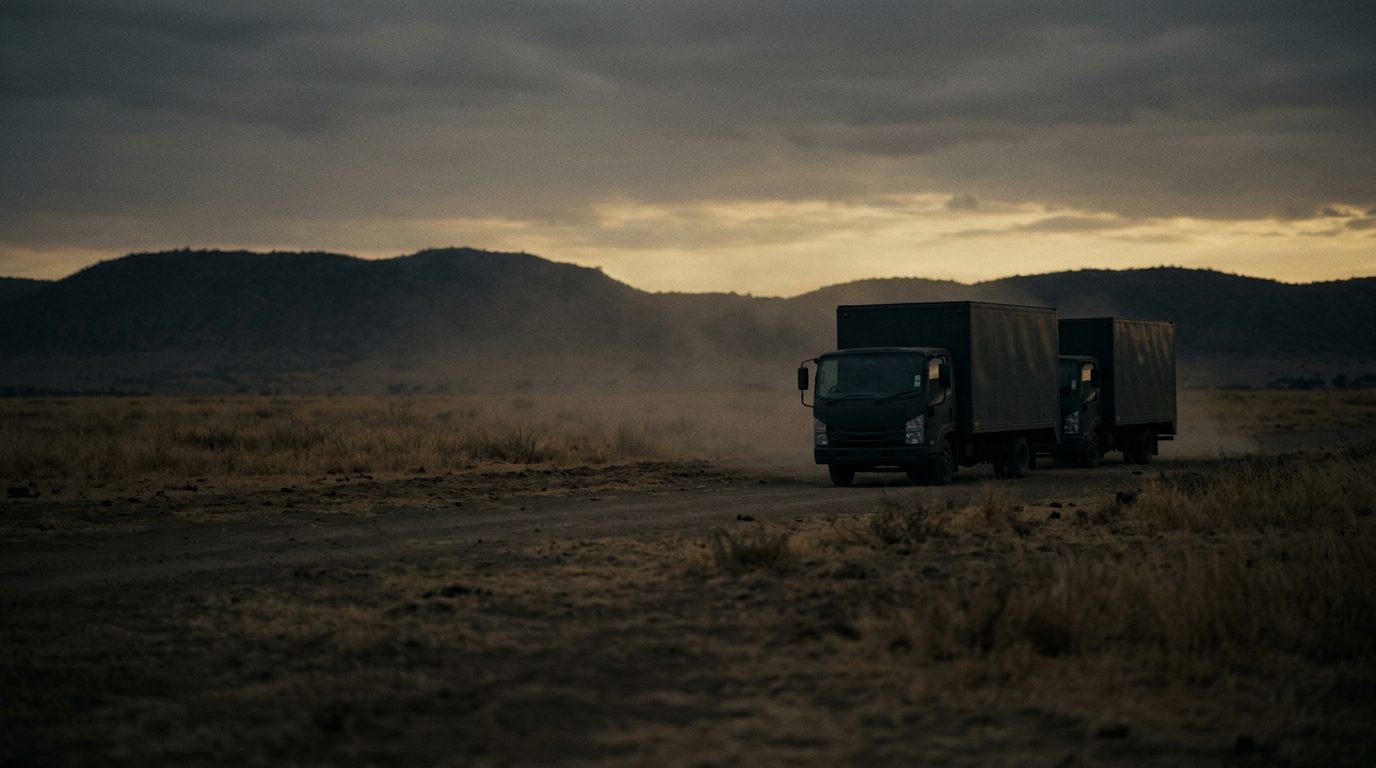
An aerial attack in South Kordofan in the early hours of Saturday 3 October hit two trucks carrying World Food Programme (WFP) food and killed one driver. In a release dated 4 October, WFP said the contracted trucks were travelling from Dilling to Kadugli and were "clearly marked as humanitarian vehicles". It called for a prompt and impartial investigation.
The attack came one day after a WFP truck struck an explosive device in Dilling after delivering food. WFP said: "These incidents underscore the increasingly challenging security environment in Sudan and the risks that aid workers face when delivering life-saving assistance to communities in need."
At the UN noon briefing on 5 October, the Office for the Coordination of Humanitarian Affairs (OCHA) said: "In the Kordofan region, drone strikes continue to kill, injure civilians and disrupt humanitarian operations." The Under-Secretary-General for Humanitarian Affairs, Tom Fletcher, called the targeting and killing of colleagues delivering humanitarian aid in Sudan unacceptable and said it must stop. The same briefing reported a drone strike in El Obeid, North Kordofan, on 1 October that killed one child and injured 12, and more than 10,000 people displaced within Blue Nile State between 26 September and 4 October.
In Geneva on 5 October, the UK presented a draft resolution on Sudan to the UN Human Rights Council on behalf of a core group of states. Its statement said: "Drone warfare conducted by both the Rapid Support Forces and the Sudanese Armed Forces has extended the geographical reach of hostilities."
What the FCDO says
The FCDO advises against all travel to Sudan. Its advice states: "There is a high threat of detention, including kidnap, enforced disappearances and unlawful arrest across Sudan." It adds: "Humanitarian aid workers and journalists are viewed as legitimate targets."
What it means for operators
Two attacks on WFP vehicles in two days, one by explosive device and one from the air, suggest that clear humanitarian marking offers little protection around Dilling and on the road between Dilling and Kadugli. Teams supporting aid or media work in Kordofan should treat road movement as exposed to both air and ground threats, keep convoy timings and routes unpredictable where they can, and confirm current deconfliction arrangements before each move. The UK statement says drone warfare has extended the geographical reach of hostilities, so static sites such as warehouses, compounds and markets need the same scrutiny as routes. With communications blackouts common, agree fallback reporting procedures before teams deploy.