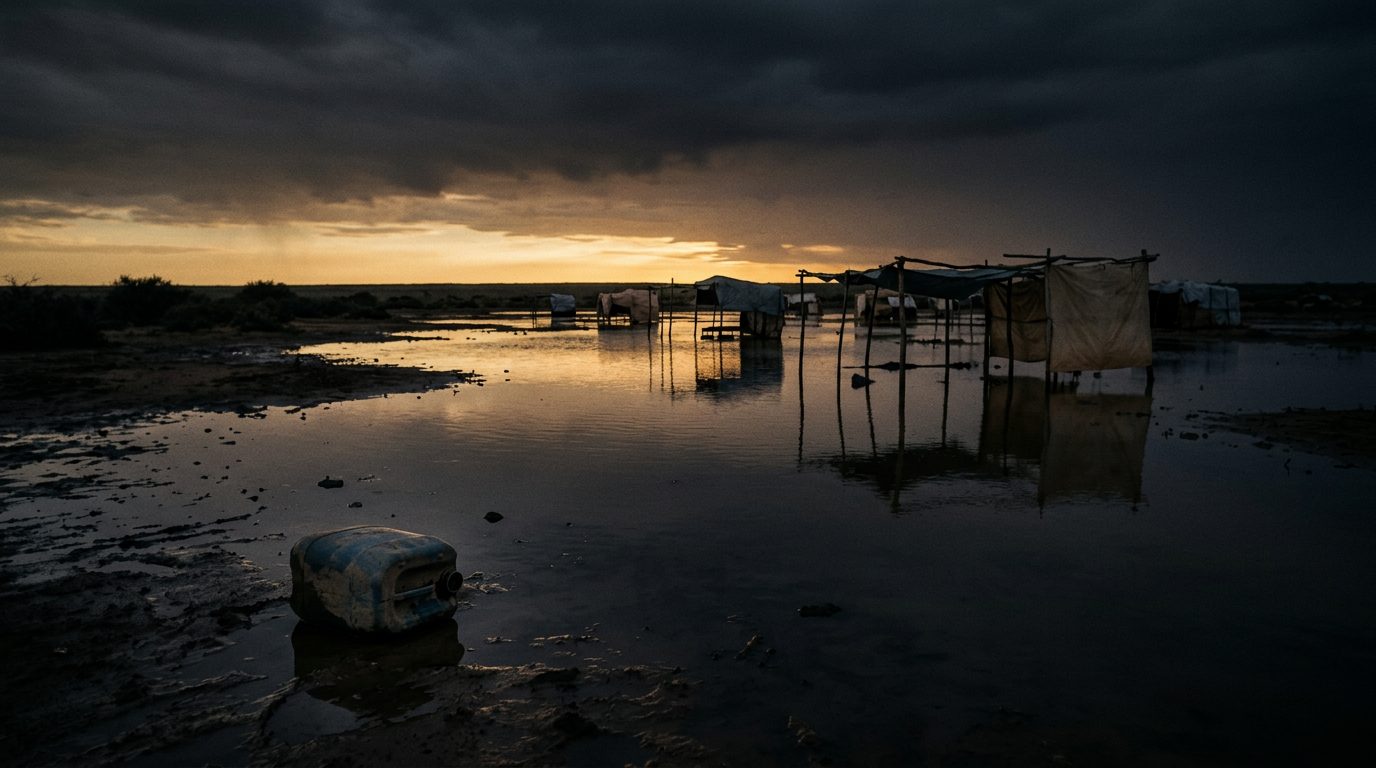
Sudan's displacement crisis has deepened again, with the Kordofan region at the centre. The International Organization for Migration reported on 19 August 2026 that around 200,000 people have been newly displaced across the wider Kordofan region since late 2025, part of a war that has forced 8.6 million people from their homes since it began in April 2023. Fighting between the Sudanese Armed Forces and the Rapid Support Forces has been compounded by seasonal flooding, with 1,350 shelters destroyed or damaged in the Tawila camps in a single week and thousands more displaced by clashes in Geissan in Blue Nile state and in West Darfur.
The immediate flashpoint is El Obeid, the capital of North Kordofan and a strategic hub linking Khartoum to the Darfur region. The UN humanitarian office reported renewed Rapid Support Forces drone attacks on the city in early August, putting civilians, critical infrastructure and aid operations at risk, and separately recorded roughly 15,000 families displaced into El Obeid over a three-week period, straining sites and services that were already overstretched.
For close protection and travel-risk planning, Sudan remains under an FCDO advise-against-all-travel warning across effectively the whole country, and the operational reality behind that advice is hardening. Overland movement in and around Kordofan and Darfur carries acute exposure to active fighting, drone strikes on urban areas, and the collapse of the basic services any contingency plan depends on. This is not a permissive environment for principal movement, and any residual activity should assume degraded communications, unreliable power and water, and no assured state security response.