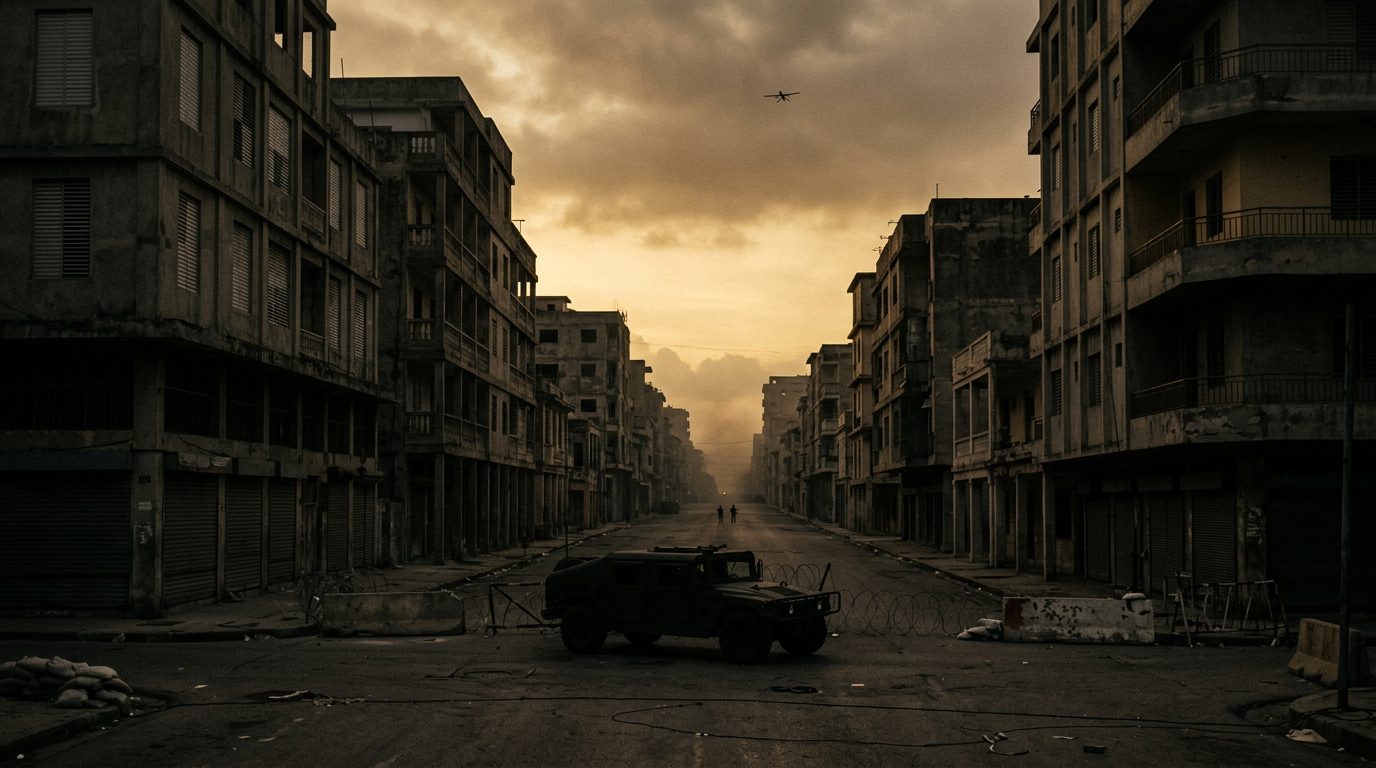
Haiti sits at the top of the threat table, and it draws direct political scrutiny today. The US House Foreign Affairs Committee is holding a hearing on 21 July titled Confronting Haiti's Terrorist Gangs: The Gang Suppression Force and the Path Ahead, with State Department and Department of War officials due to testify. The hearing follows a demand for an update from a bipartisan group of senators in late June, and it will assess whether the force is meeting its mandate.
The picture it examines is grim. Per UN reporting, roughly 26 gangs control around 90 per cent of Port-au-Prince and surrounding areas, with more than 2,300 people killed and over 1,100 wounded in the first half of 2026, and around 1.5 million people displaced. The UN-backed Gang Suppression Force is authorised at 5,550 personnel but has deployed only a fraction of that. Its special representative, Jack Christofides, says it has stood up a headquarters and a first forward operating base and begun dismantling gang infrastructure, while warning that armed groups will adapt to keep control.
There is also a fresh line of effort against the gangs' finances and reach. On 20 July, US officials pledged to shut down the way gang leaders use social media to celebrate violence, recruit children and flaunt cash. Roughly half of gang members are reported to be children.
For operators the assessment is unchanged: Haiti is a permissive environment for organised armed groups and a no-go for routine work. Any tasking, NGO protection, media support, asset recovery, corporate withdrawal, demands a hardened, specialist posture with its own logistics, medical and extraction plan, on the assumption that the state cannot provide security and the airport and main routes can close without warning.