Haiti's security picture rests on a force that is barely a fifth built. The Gang Suppression Force, authorised at 5,550 personnel, has roughly 1,000 on the ground and is not expected to reach full operational capacity until October, according to Security Council Report's July forecast.
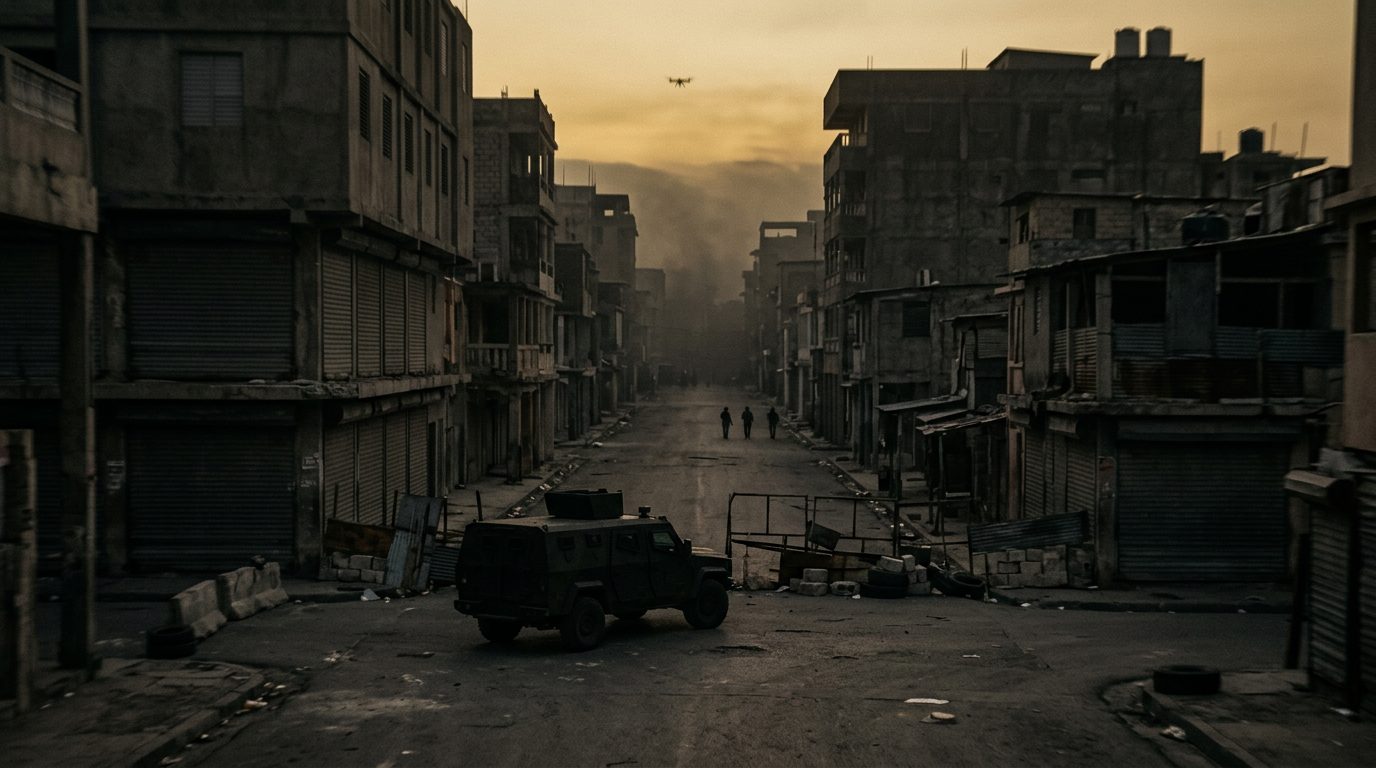
The scale of the problem it faces has not eased. Around 26 gangs control up to 90 per cent of Port-au-Prince and its surroundings, and more than 2,300 people have been killed and more than 1,100 injured since the start of the year, per UN reporting. In the first quarter alone, BINUH documented 1,642 killed and 745 injured, and notably 69 per cent of those casualties came during security-force operations against the gangs, a measure of how contested the fighting is.
There are narrow signs of progress. Specialised units have pushed gangs out of some strategic sites, reopening roads and letting a few institutions return to the city centre, though holding that ground is far from certain. The UN Security Council is due to hold its 90-day briefing on Haiti this month, with BINUH, the UN Office on Drugs and Crime, and the force's leadership expected to report.
For operators, the read is that Port-au-Prince stays extreme-risk through the summer. The force meant to change the picture is months from strength, the gangs still hold most of the capital, and the near-term trajectory depends on a deployment that is still ramping. Anyone with NGO, diplomatic or corporate exposure in Haiti should plan on the current threat level holding, not improving, in the coming weeks.