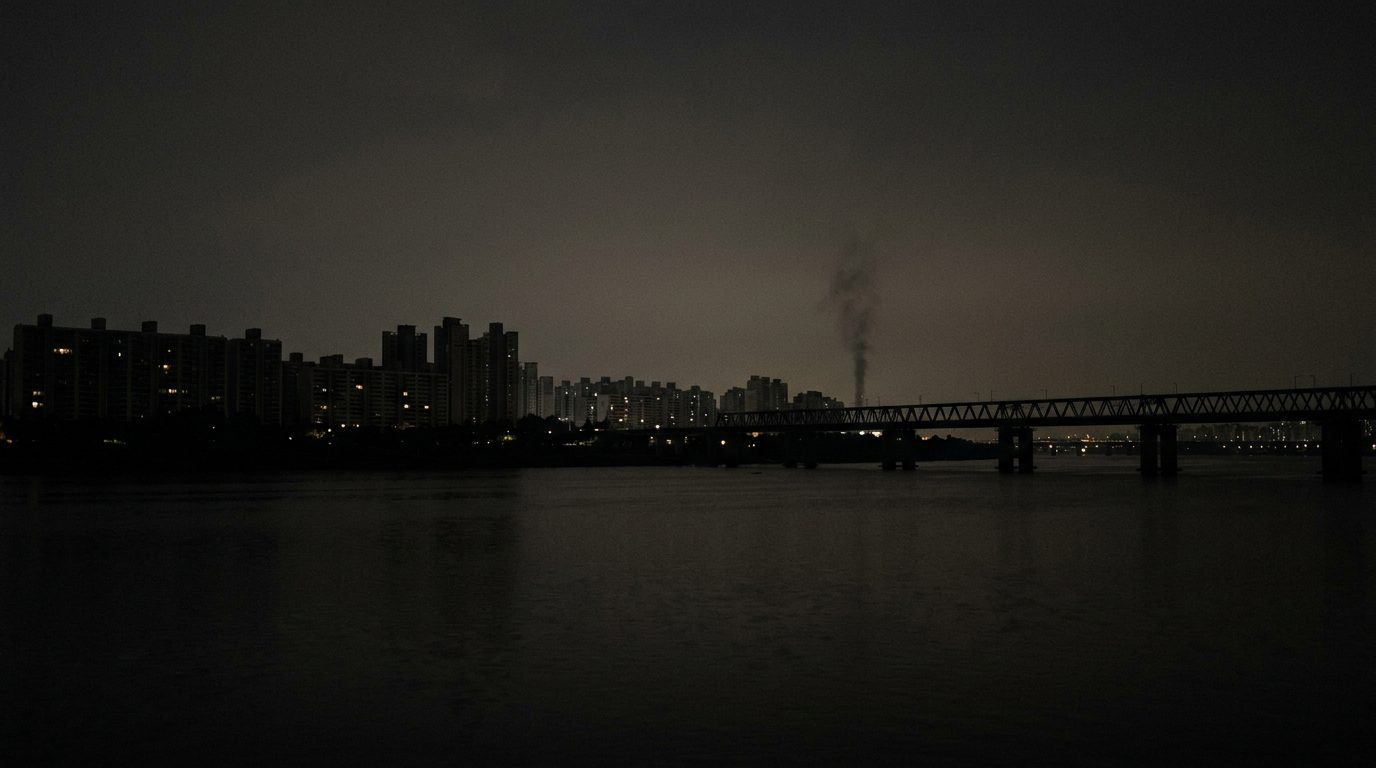
Air raid alerts in Kyiv were active for 33 hours during one 48-hour period in the days before 2 October, the UN human rights chief Volker Türk told the Human Rights Council on Friday 2 October, describing a war that is "growing and intensifying by the week". The same day, the UN's daily briefing reported that "a dozen civilians were killed and nearly 80 injured, according to local authorities", with homes, energy infrastructure and a bridge in Kyiv damaged and power supplies disrupted in six regions.
The Foreign, Commonwealth and Development Office (FCDO) updated its Ukraine travel advice on 2 October. Its change note describes "updated information about the Russian invasion of Ukraine" on the Warnings and insurance page. In that updated advice, the FCDO says: "Civilian casualties between January and August 2026 exceeded the total recorded in 2025." It also states: "Conferences and events attended by the Ukrainian government and military are more likely to be targeted."
The change note does not mention any change to the advice levels. The FCDO advises against all travel to Ukraine except a group of western regions, where it advises against all but essential travel. Ukrainian airspace remains closed.
The UN also reported that humanitarian access is becoming increasingly difficult. The UN Office for the Coordination of Humanitarian Affairs (OCHA) logged 86 access incidents in July and August, which the briefing described as "an increase of 26 per cent compared with the period between May and June and is the highest number since monitoring began in March of 2022."
Türk said "Ukraine is a laboratory for drone warfare", and that Russian strikes on supermarkets and food companies are causing temporary shortages of vegetables and dairy products in some areas.
What it means for operators
For any principal attending an official conference or event in Ukraine, the FCDO's line on targeting is a direct planning factor: venue choice, timings, how widely the attendance is known, and the distance to the nearest shelter all matter more. Alert duration is the other practical number. Thirty-three hours of alerts in 48 means programmes must be built to absorb long periods in shelter, with backup power, water and communications, and with timings that can slip without the whole visit failing. Expect power cuts with little notice and check the latest FCDO advice before each movement.